Rising Petrol Thefts: A Crisis Fuelled by Conflict
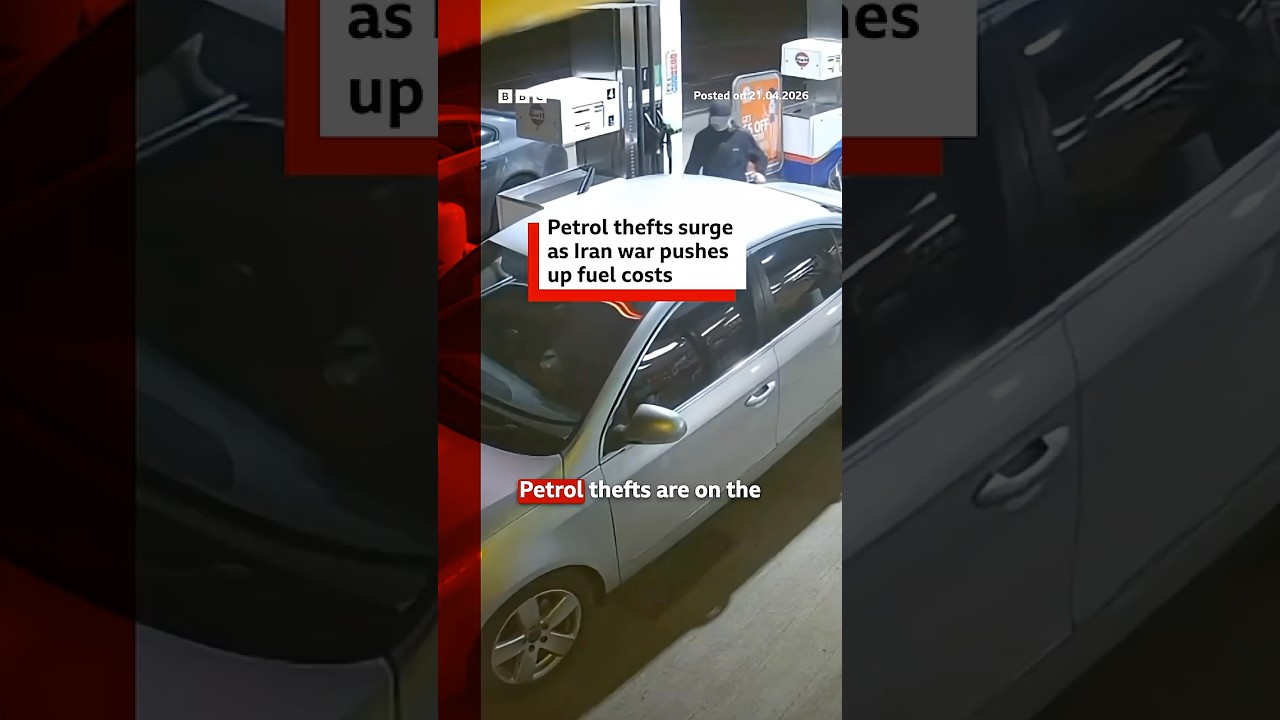
In recent months, petrol thefts have surged, compounding the challenges posed by rising fuel prices. New data compiled for the BBC by Pay My Fuel reveals a startling 62% increase in petrol thefts compared to last year. This alarming trend can be attributed, in part, to the ongoing geopolitical tensions surrounding the US-Israel war with Iran. As a result of these conflicts, the economic landscape has shifted, prompting both immediate and long-term repercussions for consumers and retailers alike.
One petrol station owner, overseeing five sites, lamented the staggering losses he faces each week due to drive-offs, which are costing him approximately £2,000. This not only impacts his bottom line but also raises questions about security and the growing audacity of thieves. As fuel prices continue to rise dramatically—around £14 for a typical family car and approximately £27 for a tank of diesel—the desperation appears to spawn opportunistic crime.
The economic implications are multifaceted. Retailers are now finding themselves in a precarious position, caught between rising costs and consumer demand. As noted by another forecourt manager, businesses often have no choice but to increase prices to counterbalance the losses incurred from theft. This cycle puts additional pressure on consumers who are already grappling with the inflated prices at the pump. The government has responded to the situation by stating that fuel theft must be met with the full force of the law, emphasizing the need for legal consequences to deter this rising trend.
Fuel theft not only affects the financial viability of petrol stations but also poses significant threats to the safety and well-being of staff members. Retailers have reported a marked increase in abuse directed at employees, highlighting a troubling shift in customer behavior as frustrations over rising prices and theft incidents mount. This hostility can create a toxic work environment, adding further strains to an industry already fraught with complications.
Further complicating matters is the broader economic environment. The spikes in fuel prices can significantly impact various sectors, from transportation to logistics, which ultimately trickle down to everyday consumers. The cumulative effect of rising costs and thefts creates a perfect storm that businesses may struggle to navigate. The escalating prices, exacerbated by international conflicts, force not just petrol retailers but all parts of the economy to adapt swiftly, often at the expense of stability.
Moreover, the societal implications of the theft surge warrant consideration. The rise in criminal behavior can create a feeling of insecurity among consumers, further discouraging travel and spending. This drop in consumer confidence can inhibit economic recovery, creating a negative feedback loop that affects not just the fuel industry but also ancillary sectors such as tourism and travel.
To address these growing concerns, it is vital for petrol retailers to invest in security measures to protect their assets. Technology can play a crucial role here, with surveillance systems and robust tracking methods helping to deter theft. However, the cost of implementing such measures can be significant, often compounding the financial struggles already faced by petrol stations.
In conclusion, the rising incidence of petrol theft, coupled with soaring fuel prices, presents a complex crisis that demands urgent attention. Retailers, while facing losses and increasing hostility from consumers, are caught in a web of escalating prices and opportunistic crime driven by larger geopolitical issues. The ramifications extend beyond mere economics; they speak to the very fabric of society and consumer behavior. As the government insists on enforcing the law against fuel theft, both retailers and consumers must navigate this precarious landscape filled with uncertainty and challenges. Immediate action, along with sustained efforts, will be vital in addressing these intertwined issues, ensuring that both security and affordability are restored to the fuel market.