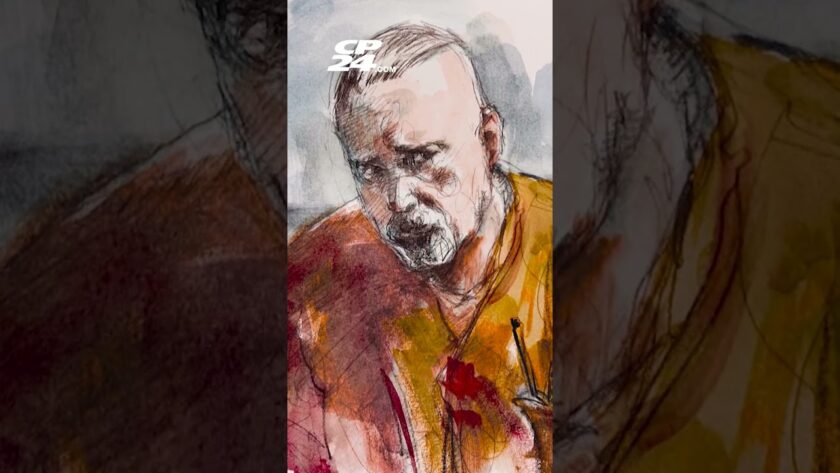
Guilty Pleas in the Tragic Death of Owen Sound Restaurant Owner
In recent developments from the Ontario legal system, three Scottish men have entered guilty pleas in connection with the death of Sharif Rahman, a restaurant owner in Owen Sound. The case has drawn national attention due to its tragic outcome and the international aspect concerning the extradition of the accused from Scotland.
Robert Evans Jr., 36, has pleaded guilty to manslaughter. In a chilling admission, he confessed to delivering a fatal punch to Rahman during a confrontation outside the latter’s restaurant in August 2023. This incident occurred after the Evans family allegedly refused to settle their bill at the establishment. The violent altercation, which took place in full view of patrons and bystanders, quickly escalated, leading to Rahman’s untimely demise.
Robert Evans Sr., the father of Robert Jr., and Barry Evans, the uncle, have been charged as accessories after the fact, acknowledging their roles in the aftermath of the event. Their decisions to assist their family member indicate a troubling dynamic, blurring the lines of familial loyalty during a crisis. The combination of these guilty pleas reveals a multifaceted case tinged with grief, anger, and complicated family ties.
The death of Sharif Rahman sent shockwaves through the Owen Sound community. Known for his dedication to his business and his willingness to engage with patrons, Rahman created an inviting atmosphere that attracted a loyal customer base. His murder not only robbed his family of a beloved member but also diminished the vibrant tapestry of the local culinary scene. The loss is felt deeply by both friends and customers who gathered stories and shared memories at his restaurant.
The legal proceedings surrounding this case have unfolded in a complicated manner. After the incident in Ontario, authorities moved swiftly to apprehend the suspects, who fled back to Scotland. The process of extradition was not only a matter of legal protocol but also a necessity for ensuring justice in this tragic affair. Settling legal disputes in cross-border situations often raises questions about jurisdiction and the adequacy of legal frameworks, emphasizing the importance of international cooperation in ensuring that justice is served.
While Robert Evans Jr.’s plea to manslaughter reflects a moment of accountability, it also raises more profound questions about violence, impulse control, and the societal implications of such acts. In an age marked by rising tensions, instances of violence over trivial disputes challenge communities to confront issues of aggression and conflict resolution. The sad reality is that confrontations like the one that led to Rahman’s death can escalate rapidly, often with irrevocable consequences.
The reactions to the plea deals presented by the Evans men highlight deep societal rifts. Families of victims often seek closure through justice, yet, in circumstances like this, closure can feel elusive. While culpability has been acknowledged, it does not erase the grief or loss. The community must grapple with both the emotional scars and the broader implications of the crime.
Ultimately, this case serves as a haunting reminder of the fragility of life and the potentially devastating outcomes of unchecked aggression. Sharif Rahman’s legacy will not only be remembered through the devastation of his family but also through the conversations it sparks about respect, accountability, and community responsibility.
As the legal process continues, it is essential for the community to come together to honor Rahman’s memory and ensure that lessons learned from this tragedy lead to a more peaceful discourse in future interactions. The call for empathy, communication, and understanding cannot be overstated, for it is through these principles that communities can heal and find strength in unity.