Peace Talks in Abu Dhabi: A Fragile Hope Amid Ongoing Hostilities
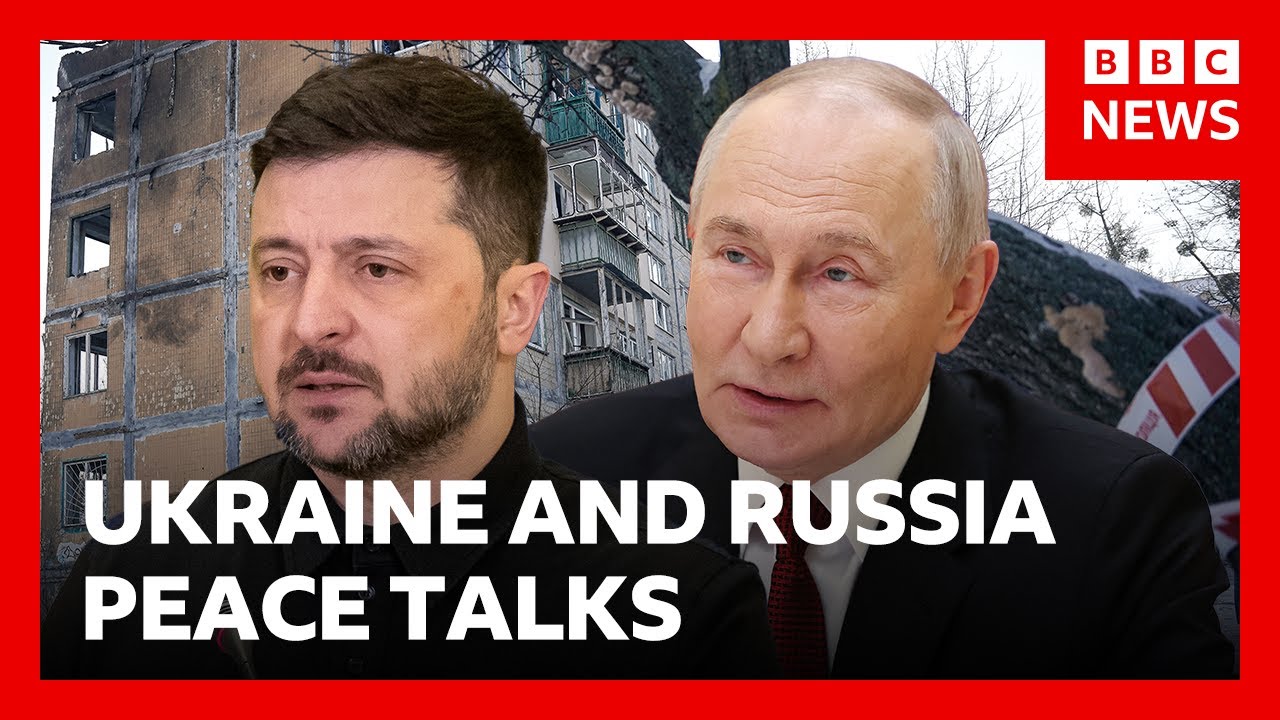
Ukrainian and Russian negotiators have commenced a pivotal round of peace talks in Abu Dhabi, organized with the assistance of the United States. As the conflict continues to disrupt the lives of millions, President Volodymyr Zelensky has expressed a desire for a "real and dignified end" to the war. However, the hopes for a breakthrough are clouded by recent events.
On the eve of these crucial negotiations, Russia executed a large-scale missile assault on Ukrainian infrastructure, specifically targeting civilian facilities. This brazen act left numerous residents without power, underscoring the dire humanitarian situation. President Zelensky promptly condemned this aggression, arguing that Russia’s actions reveal a lack of trustworthiness, particularly given prior agreements, such as an energy truce with the U.S. He insists that intensified pressure be placed on Moscow, compelling it to engage in genuine negotiations rather than pushing Ukraine toward capitulation.
Analysts report bleak prospects for progress in the talks. James Waterhouse, a correspondent for Ukraine, conveyed the pervasive sense of despair among citizens grappling with frigid conditions. The need for a paradigm shift was articulated by President Zelensky, who emphasized the necessity for his team to adapt their strategies as they face Russian representatives under the oversight of Emirati and American officials. Yet, the question remains: What would this change in approach entail?
The historical context cannot be overlooked. Previous negotiations, such as those between Donald Trump and Vladimir Putin, had momentarily paused Russia’s attacks. However, these lulls proved temporary; upon the expiration of the agreed timeframe, attacks resumed with alarming intensity. Reports indicated that approximately 450 drones and numerous ballistic missiles were launched, leaving civilians to seek refuge in makeshift shelters within their apartments.
While dialogue continues, the core issues remain unresolved. The persistent expectation that Ukraine might concede additional territory to Russia dominates the discussions. In contrast, Russia appears content to maintain its military efforts, perpetuating a cycle of pressure on Ukraine’s leadership.
Further complicating the situation are Russia’s explicit threats to seize more territory if negotiations falter. This assertion resonates deeply with those living in frontline regions, particularly the eastern Donbass area. Ukraine currently retains about a fifth of this territory, but the situation is precarious. Reporting suggests that if Moscow aims to capture the remaining regions, it could take as long as another year and a half, all while cities with strategic significance—many of which Ukraine has fiercely defended—remain under pressure.
In Ukraine, the idea of ceding territory is largely viewed as unacceptable. Observers argue that such a concession would not only embolden Russian ambitions but also provide significant military advantages to Moscow. In light of the past twelve years of Russian aggression—marked by annexations and conflicts—there is a prevalent sentiment that once territory is surrendered, it is unlikely to be reclaimed.
Amidst these discussions, senior American officials have begun advocating for a different approach. They suggest that Ukraine may need to reconsider its territorial stance and entertain the notion of temporarily yielding land, which might be revisited at a later stage. Nevertheless, skepticism abounds within Ukraine regarding this strategy, reflecting a deep-seated mistrust of Russia’s intentions.
As the peace talks unfold in Abu Dhabi, the stakes remain extraordinarily high. Deliberations could potentially shape the trajectory of the conflict, impacting not only regional stability but also international relations. Yet, the question of whether meaningful progress can be achieved is clouded by the realities on the ground—a landscape marred by violence and uncertainty.
The world watches closely, hoping for a resolution that brings about peace and stability. However, for the people of Ukraine, the ongoing conflict represents a struggle that transcends diplomatic discussions, as they navigate a complex and perilous future. The road to peace is fraught with obstacles, but the resilience of a nation under duress shines through, illuminating the way forward in these challenging times.