The Unacceptable Reality of Survivor Privacy and Justice
The recent developments surrounding the handling of victim statements in high-profile abuse cases, particularly those related to Jeffrey Epstein, are profoundly troubling. Disturbingly, survivors of abuse are finding their narratives obscured and their realities misrepresented by the very institutions established to protect them. The Department of Justice (DOJ) has positioned itself as an entity striving for transparency, yet its actions tell a different story—one where survivors are left vulnerable, unable to reclaim their stories in a system that is meant to support them.
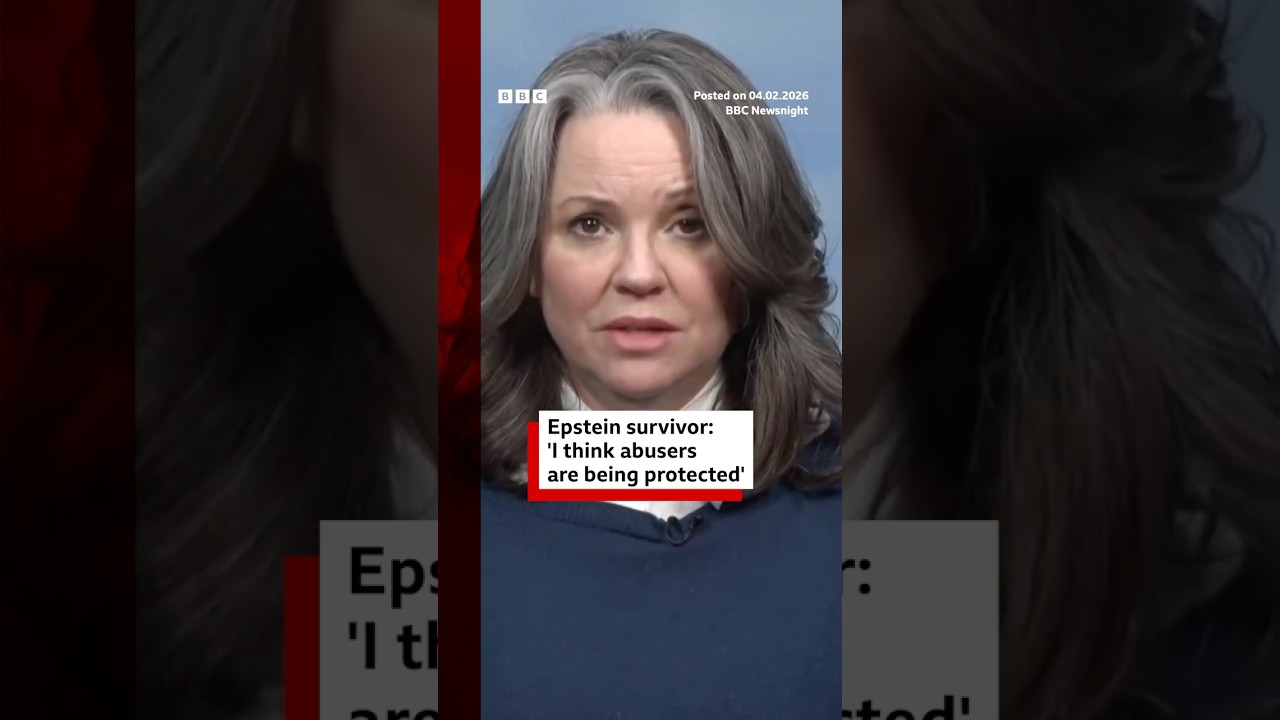
A revealing instance comes from an examination of victim statements that were submitted as part of the Epstein Files Transparency Act. One particular statement comprised seven pages, but four of those pages were entirely redacted. This begs the question: Who is being protected here? It appears that while survivors who muster the courage to come forward are subjected to severe censorship, potential abusers remain shielded from accountability.
The act of redacting vital information raises serious ethical concerns. This is not just about a lack of transparency; it’s about targeting survivors with a veil of confidentiality that ultimately serves to protect the abusers more than the victims. By concealing information deemed “sensitive,” the DOJ not only undermines the trauma experienced by survivors but also hinders the public’s understanding of systemic abuse dynamics. In this light, it becomes evident that current policies may inadvertently reinforce a culture of silence around exploitation.
The implications of these actions are far-reaching. Survivors, by sharing their experiences, not only seek personal healing but aim to alert the public to a larger societal issue. When their statements are redacted to this extent, it diminishes their agency and the impact their stories could have on raising awareness about sexual abuse and its far-reaching consequences. The DOJ’s commitment to transparency seems hollow when it prioritizes anonymity for perpetrators over the voices of those victimized.
When asked about the intent behind these redactions, the DOJ has offered little more than assurances that they are acting within legal parameters. However, the spirit of the law suggests that survivors’ voices should carry weight, and their perspectives should be shared in a manner that fosters understanding and drives reform. The question thus emerges: Why is the department seemingly more invested in shielding potential abusers than in amplifying the narratives of those most affected?
It is imperative to reassess the motivations behind such measures. Instead of merely complying with bureaucratic standards, there should be a commitment to ensuring that survivors feel supported and empowered. By stripping away the essence of their stories, the system propagates a cycle of distrust and silence. Survivors deserve the right to tell their stories—unfiltered and without fear of further erasure by institutional practices.
Moving forward, one can only hope for a shift toward a more compassionate framework in which victims are seen as pivotal characters in the quest for justice. This would involve transparency that seeks to humanize their experiences rather than diminish them. A truly progressive approach would necessitate the involvement of survivors in policy discussions, ensuring their perspectives inform the frameworks designed to protect them.
Moreover, this situation serves as a critical reminder of the need for reformed protocols regarding how victim statements are treated. The established system appears to be failing those it is meant to protect, revealing an urgent need for change. Advocacy and accountability must prevail over obfuscation and compliance with outdated norms.
In conclusion, the ongoing treatment of survivors in high-profile abuse cases by institutions like the DOJ poses grave questions about the integrity of the legal system in America. It compels us to confront uncomfortable truths: are we truly advancing toward justice, or are we perpetuating a cycle of harm? The voices of survivors matter, and it is high time that they are heard—not only in the shadows but in the bright light of accountability and reform.