The Increasing Control Over Communication in Russia
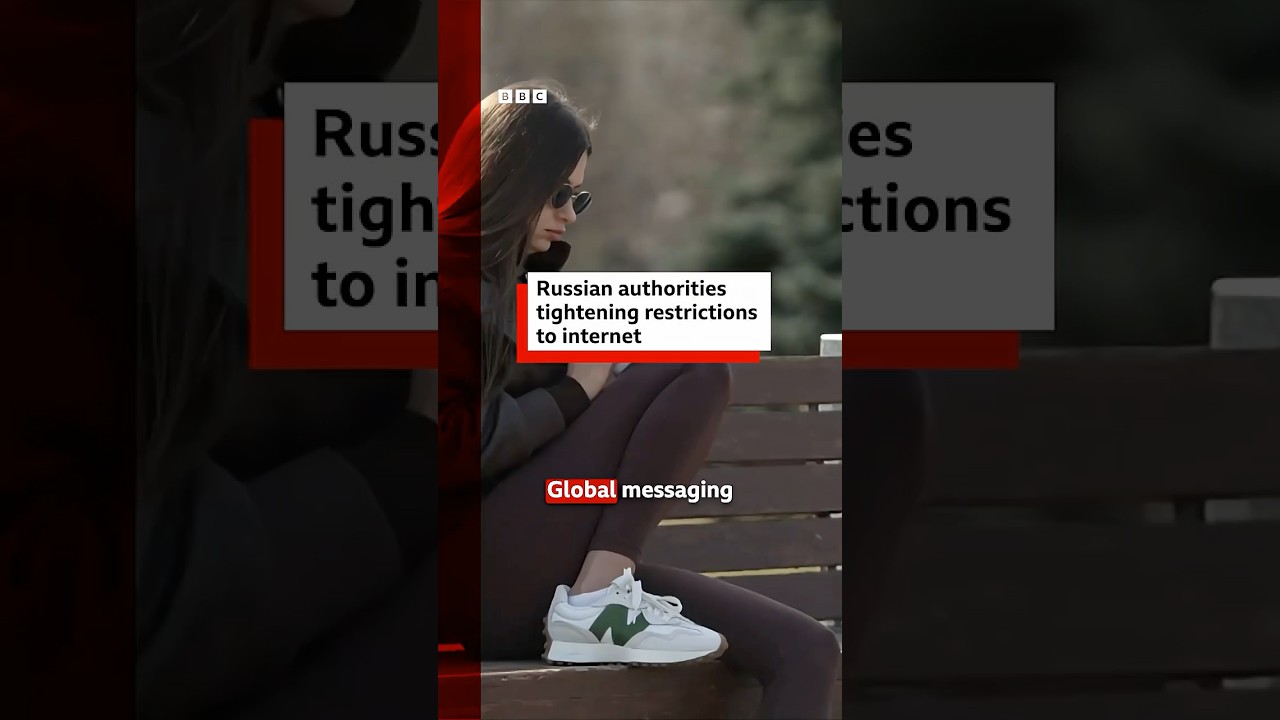
In recent times, the Russian government has taken a pronounced step in tightening its grip over communication channels within the country. The widespread availability of global messaging applications like WhatsApp and Telegram has become a significant concern for authorities, leading to their blocking. This move is not merely a technical restriction; it signals a broader strategy aimed at shaping how information is consumed and disseminated in Russia.
Individuals wanting to access independent news websites face significant hurdles. While state-backed websites, such as those of the Russian government and the Kremlin, are readily accessible, alternative sources of information are systematically obstructed. For instance, a simple Google search can yield no results, effectively curtailing access to diverse viewpoints and independent journalism. This tactic not only stifles freedom of speech but also limits the populace’s ability to engage with straight news that doesn’t fall under state influence.
The Russian government has been promoting a new messenger application called "Max." This state-approved platform is part of a larger initiative to create a "safe sovereign internet," designed ostensibly to protect the nation from foreign influences. However, skepticism lingers regarding the true motivations behind this endeavor. Is it truly about national security, or is it more about surveillance and control? Critics argue that such an initiative seeks to eliminate competition from non-state platforms, fostering a digital environment that is distinctly monitored by authorities.
The concerns surrounding these developments came to light recently when a small group of citizens gathered in front of the presidential administration building in Moscow. Their purpose was to submit a petition to President Vladimir Putin, demanding an end to the internet restrictions that have increasingly marginalized independent voices. However, the number of participants was dishearteningly low, reflecting a palpable fear among the public. Many individuals are hesitant to express dissent openly, fully aware that security forces are closely monitoring their actions and sentiments.
During a brief observation of the gathering, security officers were seen recording participants, emphasizing the atmospherics of intimidation that pervades civic engagement in Russia. Given this context, one can understand why the quest for constitutional rights feels daunting for many citizens. The inherent risks of public protest in a highly surveilled environment often outweigh the potential rewards of voicing dissent.
This situation not only impacts individual rights but also has broader implications for society. Constricted access to information hampers informed discourse among citizens, thereby diminishing the quality of public debate. Without exposure to varied perspectives and critical viewpoints, the populace is left to navigate a sea of state-sanctioned narratives. The dissonance between official propaganda and the lived experiences of ordinary Russians can foster resentment, culminating in a populace that feels increasingly alienated from the governing structures.
As authorities continue to tighten their grip on digital communications, the long-term effects of these restrictions will likely manifest in various ways. It remains to be seen whether growing discontent will spur bolder actions from citizens, particularly as the consequences of stifled free speech become more evident. The global community watches as Russia enters uncharted territory—a terrain where the delicate balance between information control and public dissent hangs in a precarious balance.
In conclusion, the battle for digital freedom in Russia represents a critical crossroads. With each new layer of regulation, the government seeks to hem in the public’s capacity for dissent, yet the nature of human will remains resilient. While individual voices may feel subdued, the quest for a more open society persists beneath the surface. As the landscape evolves, one must remain vigilant, advocating for a future where citizens can freely access information and engage in meaningful dialogue, unshackled by the chains of censorship.