The Escalating Crisis: Iran, Israel, and the United States
As tensions escalated into the second week of the conflict involving Iran, Israel, and the United States, the situation in the Middle East has become increasingly complex and fraught with uncertainty. The conflict, now dubbed the "US-Israel War with Iran," has led to significant military actions and political ramifications that resonate far beyond the region.
Escalation of Military Actions
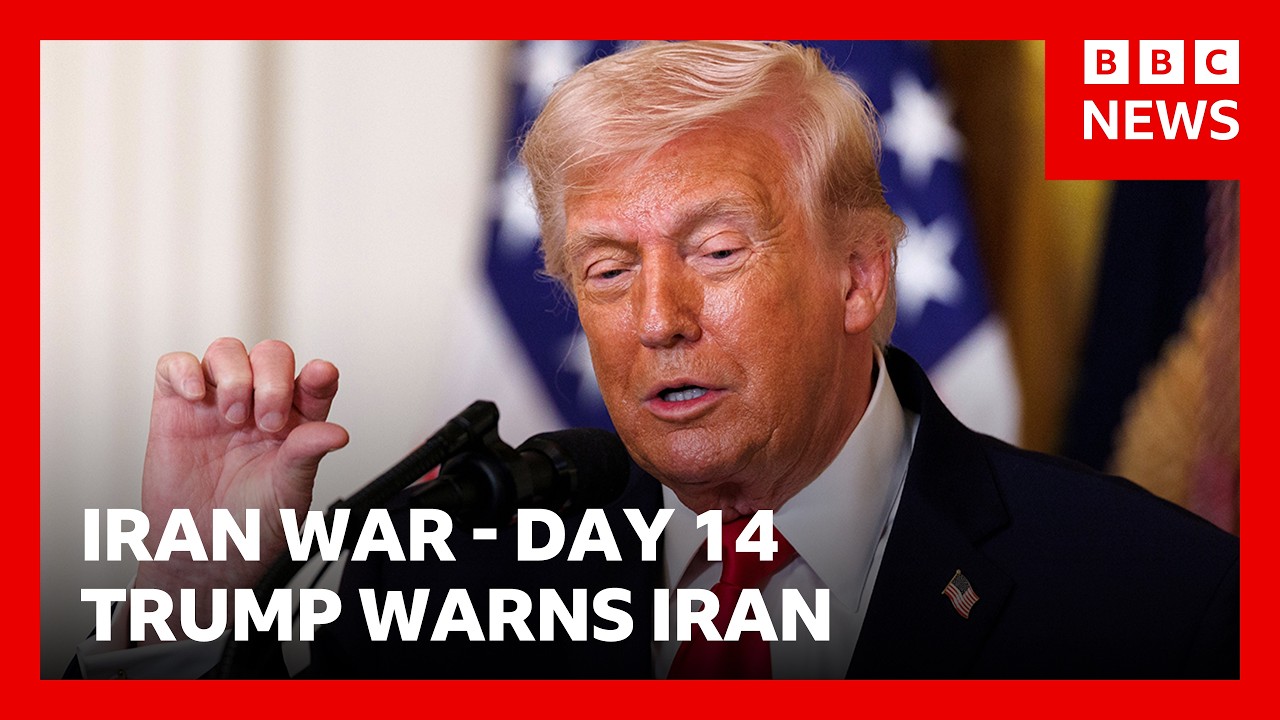
U.S. Defense Secretary Pete Hexes announced a significant increase in military strikes aimed at Iran, declaring them as the highest volume of air attacks yet. This move signals a shift in strategy as the U.S. aims to decisively weaken Iran’s military capabilities, citing the obliteration of Iranian air and naval forces. The statement highlights an urgent and aggressive posture, suggesting that the U.S. is prepared for prolonged engagement.
In parallel, Israel has ramped up its bombing campaigns against Hezbollah targets in Lebanon, which has forced hundreds of thousands to flee their homes. The Israeli government views these operations as vital to its national security, especially in light of continuous drone threats from Iran. Blasts have even been reported near Tehran, indicating that the conflict is now impacting Iranian territory, thereby expanding the scope and scale of military operations.
The Broader Implications
The conflict has serious implications for global stability, particularly concerning oil markets. President Trump’s administration recently announced a surprising policy shift: the easing of sanctions on Russian oil imports amid security concerns surrounding major shipping routes. This decision, while aimed at stabilizing market conditions, has drawn criticism from various quarters and raises ethical questions about rewarding a state still embroiled in its own conflict.
Polls suggest that American public sentiment leans against the war, with many believing it could compromise national security while also leading to a spike in oil prices. Rising energy costs have quickly become a contentious issue as voters express dissatisfaction, linking the conflict’s ramifications directly to their financial burdens.
Iranian Resilience
Despite immense military pressure, Iran has displayed a remarkable capacity to adapt and retaliate, particularly through drone warfare. The asymmetrical threat posed by drones and other inexpensive military assets poses a significant challenge for the more traditional, high-cost military approach employed by the U.S. and its allies. Military analysts argue that Iran’s strategic focus on low-cost, high-output strategies might prolong the conflict and complicate American efforts to achieve quick victories.
As each side intensifies its operations, the psychological impact on the civilian population cannot be overlooked. In Israel, constant air raid alerts have ignited fear among civilians, while Iranian citizens have expressed skepticism about the true objectives of the war. Many see it as a struggle for regime survival rather than a simple military conflict over nuclear capabilities.
Future Prospects
Entertaining a possible change in Iran’s leadership structure seems increasingly optimistic. As the military campaign escalates, there have been murmurs of discontent among some Iranian citizens. Social media reflects a mix of resignation and hope, as many Iranians look toward potential upheaval. Yet, analytical voices caution against overestimating the likelihood of immediate regime change.
The dynamics of the situation are further complicated by geopolitical considerations. Both Russia and China are closely monitoring developments, and the potential for miscalculations could undermine broader international stability. The interconnected nature of these engagements suggests that resolution remains a distant prospect unless significant diplomatic efforts are made soon.
Conclusion
As the conflict enters its third week, the stakes have never been higher. The U.S. strategy seems predicated on military dominance, but whether this approach will yield lasting peace remains to be seen. The war appears to be moving into a protracted phase, a dynamic that could have kingsized effects on the Middle East and beyond. The world watches keenly, acutely aware that the developments of the coming weeks could reshape regional alliances and influence global economic markets for years to come.