Shifting Sands: The Impending Pressure on Cuba under Trump’s Doctrine
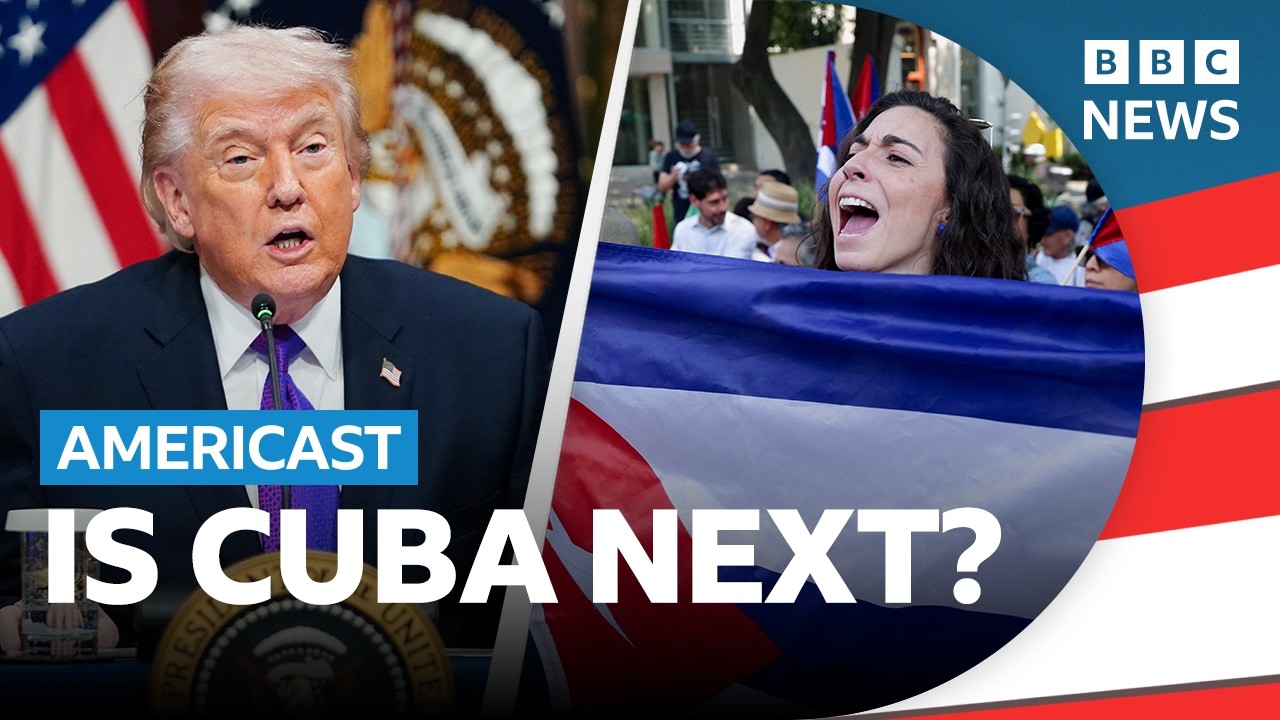
In recent days, tensions regarding Cuba have gained prominence in international discussions—particularly as former President Donald Trump has signaled his intentions towards the island nation. Following similar aggressive postures toward Venezuela and Iran, Trump’s focus on Cuba could mark a pivotal shift in U.S. foreign policy, especially in regard to Latin America.
At a gathering of Latin American leaders, Trump underscored that Cuba’s longstanding issues warranted immediate attention. Quoting several leaders who expressed hope for U.S. intervention, he stated, “I’ll take care of it,” signifying a willingness to engage directly. His comments suggest that a “friendly takeover” of Cuba might not be off the table. With the Cuban regime struggling on multiple fronts—humanitarian crises, economic distress, and diminishing energy supplies—the groundwork for U.S. intervention appears increasingly plausible.
Cuba’s reliance on imported oil has always made it vulnerable. Historically dependent on the Soviet Union and more recently on Venezuela, the island nation is now grappling with escalating shortages triggered by U.S. sanctions. The sweeping energy embargo implemented by the Trump administration has effectively cut off not just Venezuelan supply but deterred all foreign nations from exporting oil to Cuba. Consequently, rolling blackouts have become commonplace, severely affecting daily life and economic activities.
Life in Cuba these days is marked by desperation. Citizens are forced to adapt to a new reality devoid of reliable electricity, which impacts everything from food production to transportation. The economy has started to grind to a halt. Without adequate energy, agriculture and other essential sectors suffer. Anecdotes from those on the ground indicate that this economic paralysis is reminiscent of the “Special Period” following the Soviet Union’s collapse, when Cuba faced profound shortages. Cubans are now increasingly resorting to bicycles as cars vanish from the streets—indicative of a country in crisis.
Despite the ongoing turmoil, Cuba has historically demonstrated resilience. The Castro regime has endured myriad pressures from successive U.S. administrations, often emerging relatively unscathed. Nevertheless, the dilemma now presents a unique opportunity for Trump’s administration. With a team led by Secretary of State Marco Rubio—himself a son of Cuban immigrants—there is a palpable intent to reshape Cuba’s future in a way that aligns it more closely with U.S. interests.
Trump’s recent rhetoric indicates a belief that the regime’s current state of affairs is a direct opportunity for U.S. leverage. By applying pressure that results in economic hardship, Trump hopes to compel Cuba into negotiations. “They’re down to fumes,” he remarked, emphasizing the urgency of Cuba’s situation. The prevailing sentiment within the administration suggests that Cubans will eventually seek American aid, effectively surrendering to U.S. demands to alleviate humanitarian distress.
However, skepticism lingers about the efficacy of these tactics. Addressing a voice note from Havana, Cuban citizen Juan Carlos raised a pertinent question: with whom is the U.S. engaged in talks? Reports indicate that communications are indeed happening, albeit in a limited capacity. Rubio has had backchannel dialogues with members of the Castro family, signaling a potential thaw, but the road remains fraught.
Simultaneously, the sentiment among the Cuban populace seems varying. Years of economic deprivation have led to burgeoning frustrations, but whether this dissatisfaction translates into a desire for regime change remains debatable. Though political repression persists, many citizens have developed a complex relationship with their leaders that does not hinge solely on their economic circumstances.
As we observe Trump’s endeavored rollback of the Cuban Revolution and the broader implications that might follow, it’s critical to recognize that the U.S. pandemic-induced isolation of Cuba is unprecedented. The urgency surrounding Cuba’s energy crisis could force its leadership to reconsider its longstanding policies, but the sociopolitical dynamics within the nation make the outcome uncertain.
American foreign policy has always been a reflective mirror of domestic political calculations, and with Trump’s focus back on Cuba, Americans must critically examine the potential strategies and repercussions involved. From economic coercion to subtle diplomacy, a new landscape is materializing—one that will likely shape Cuba for years to come. Whether this will lead to meaningful change or yet another cycle of struggle remains to be seen. The coming months will undoubtedly reveal more about the unfolding narrative surrounding Cuba’s fate under U.S. scrutiny.