A Conversation with a President: Insights from a Unique Phone Call with Donald Trump
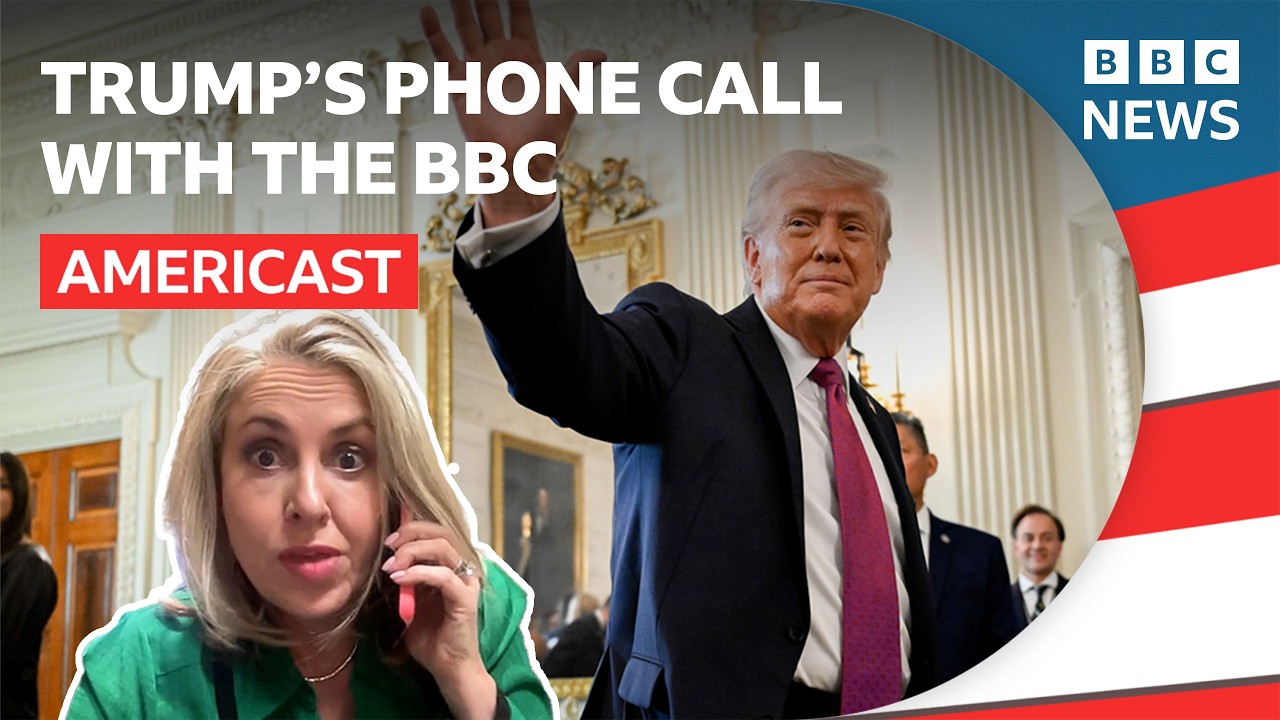
In an unprecedented twist of events, Sarah Smith from the BBC managed to reach former President Donald Trump via an unexpected phone call. What unfolded was a five-minute exchange that not only captured Trump’s personality but also shed light on ongoing international relations—particularly between the United States and the United Kingdom.
The initial connection to Trump occurred under rather amusing circumstances. Smith attempted to contact Trump multiple times before getting through. The call began informally, with Trump seemingly unaware of who was on the line, responding with a casual “hello” rather than the decorum one might expect from a former president. This tone set the stage for a candid conversation, though it was punctuated by Smith’s concern that it would be brief—an anxiety not uncommon in encounters with Trump, where calls often last mere seconds.
Upon introducing herself, Smith navigated the conversation, recognizing Trump’s affinity for the British royal family might elicit a more vibrant discussion. With King Charles III’s upcoming visit to the White House in mind, Smith posed a thoughtful question: “Do you think that King Charles can help repair the relationship between our countries during such difficult times?” Trump responded affirmatively, expressing excitement about the visit and indicating his belief in the potential of royal diplomacy.
Yet, the conversation soon took a familiar turn as Smith sought more substance. She pressed him on the political landscape in the UK, particularly regarding Prime Minister Keir Starmer. Instead of a direct comment on Starmer’s leadership, Trump diverted to his long-standing opposition to offshore wind turbines in the North Sea, linking it to broader discussions about energy policies and economic decisions. His unyielding stance on energy drilling underscored his perspective that UK policies were misaligned with American interests.
What was particularly revealing, however, was Trump’s reaction to international partnerships, especially regarding NATO’s role in the ongoing conflict with Iran. Trump lamented that the UK did not provide sufficient support for the U.S. military operations. His comments suggested a lingering sense of betrayal, a feeling that traditional allies had let the U.S. down during pivotal moments. He referred to feedback he had received, indicating that even "high officials" from the UK had expressed disappointment over these decisions.
The interview took a more intense turn as Smith inquired about Trump’s controversial remarks that had set social media ablaze. When she pressed for clarification on whether statements implying the destruction of a civilization were threats of nuclear action, Trump sidestepped the query, maintaining a façade of nonchalance. Instead, he insisted that the opposition was eager for negotiations, revealing his belief that his provocations were, in fact, part of a successful strategy.
As the conversation drew to a close, Smith found herself navigating uncharted waters. She had gleaned insights without the benefit of traditional interview protocols: the informal nature of the phone call left Trump with control over the dialogue, limiting the journalist’s ability to probe deeper into contentious issues. Moreover, the inability to record the conversation for broadcasting purposes—per an informal agreement with Trump—highlighted the complexities inherent in such exchanges.
In a surprising twist, shortly after the call ended, Smith received a butt-dial from Trump, hearing the unmistakable voice of Fox News in the background, but no chance to speak again. This incident, though humorous, encapsulated the unpredictable nature of communicating with such a high-profile figure.
Ultimately, while Smith’s conversation with Trump may not have unveiled groundbreaking new information, it was rich with insights into his worldview—a mix of bravado, diplomacy, and deeply held beliefs about international relations. The exchange served as a microcosm of the ongoing dialogue between the U.S. and the UK, revealing both the complexities and the idiosyncrasies inherent in high-stakes political interactions. Such encounters challenge the narrative that journalists have carte blanche to engage openly with powerful figures; rather, they illuminate the myriad constraints that shape these dialogues.