Tensions Escalate in the Strait of Hormuz: Analyzing Recent Developments
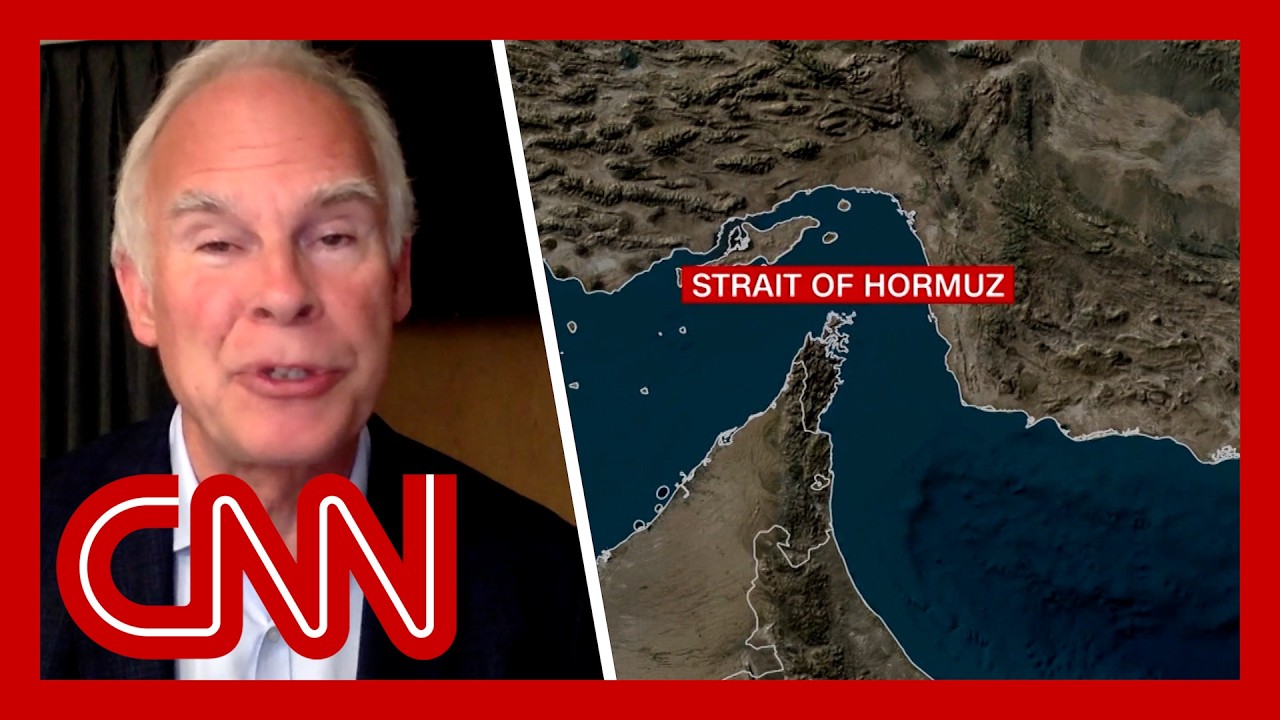
In a striking move, former President Donald Trump has announced via his social media platform that he has ordered U.S. forces to "shoot and kill" any vessels laying mines in the Strait of Hormuz. This declaration comes at a particularly volatile time in the region, underscoring the heightened tensions between the United States and Iran. Trump’s statement emphasized that U.S. minesweepers are actively engaged in clearing mines from the waterways, and are reportedly doing so at an intensified level.
The Defense Department has also confirmed that U.S. forces seized another vessel in the Indian Ocean, which was allegedly transporting oil from Iran. This oil-related interdiction aligns with ongoing maritime hostilities between the two nations, marked by a tit-for-tat pattern of actions at sea. To understand the implications of these developments, it is essential to examine the strategic significance of the Strait of Hormuz and the broader context of U.S.-Iranian relations.
Analyzing Military Operations
Colonel Cedric Leighton, a military analyst for CNN, interprets Trump’s order as potentially escalating hostilities, yet he notes that such military maneuvers are often warranted under international law when a waterway is mined. Historically, minesweeping operations were executed by dedicated vessels stationed in Bahrain, but many of these minesweepers have now been decommissioned, complicating current efforts. Instead, the U.S. military is improvising by utilizing other ships like Landing Ship Tanks (LSTs) to conduct minesweeping operations, albeit in a more cumbersome manner.
Colonel Leighton further elaborates that clearing the Strait of Hormuz could take approximately six months, assuming no new mines are laid during that period. This timeline illustrates the potential for ongoing disruption to global shipping routes, as the Strait of Hormuz serves as a critical passage for oil transport. Given that a single incident with a tanker could escalate matters significantly, the stakes remain extraordinarily high.
Iran’s Response and Strategic Objectives
Dr. Zina, the Director of the Middle East Studies Program at George Washington University, argues that Iran’s ability to decipher Trump’s rapidly shifting rhetoric complicates their strategic planning. The volatility in Trump’s announcements creates uncertainty, allowing Iran to exploit the situation to its advantage. Both nations appear to be probing each other’s limits in this ongoing maritime contest, which has created risks for global shipping and oil markets.
As Leighton pointed out, while the U.S. actions can be characterized as a form of "hot pursuit," the legality and normalcy of such actions in international waters provoke serious questions. Recent Iranian maneuvers, which have been labeled as acts of piracy by some experts, serve to demonstrate the country’s willingness to assert its influence in the Gulf.
The Path Forward
The current geopolitical climate indicates a precarious balance of power that has the potential to escalate further. Both Colonel Leighton and Dr. Zina agree that the next few days may see an intensification of naval confrontations. Iran may attempt to seize more tankers, while the U.S. will likely respond with similar actions to assert its dominance. Despite these aggressive postures, both analysts emphasize that a mutual interest in de-escalation exists, primarily due to economic constraints.
The U.S. is facing economic pressures as rising gas prices emerge directly from these maritime tensions. Iran, on the other hand, grapples with sanctions that hinder its economic recovery. There is a recognition on both sides that, amidst escalating tensions, reaching a political solution could serve their respective interests.
In conclusion, the situation in the Strait of Hormuz serves as a flashpoint for broader geopolitical tensions. The interplay between military actions and diplomatic negotiations creates a complex environment. As both nations test the waters, the coming days will be pivotal, with far-reaching consequences for global markets and regional stability. It’s a moment in time that captures the fragility of peace in an area where economic interests and national security converge.