The Unfolding Crisis: Understanding the Stakes in the Strait of Hormuz
As tensions escalate in the Strait of Hormuz, the world watches closely, recognizing the geopolitical and economic ramifications of potential military conflict. The situation has reached fever pitch, with escalating rhetoric from U.S. officials and increasingly aggressive maneuvers reported from Iran. The stakes could not be higher, and yet the clarity around the administration’s objectives remains elusive.
The Strait of Hormuz serves as a vital artery through which approximately one-fifth of the world’s crude oil supply transits. This strategic point has become a flashpoint for conflict amid heightened tensions between the U.S. and Iran. With recent reports of Iran laying mines in the strait, the U.S. government has issued alarming warnings about the potential for military escalation. President Trump’s rhetoric, particularly, has shifted into fiery predictions of unprecedented military consequences should mines be laid in this commercially critical waterway.
Yet amidst these bombastic proclamations, questions persist about the driving motivations behind such aggressive stances. It has become increasingly clear that both political parties in the U.S. are hesitant to support military intervention directly. While administration officials, including Secretary of Defense Mark Esper, emphasize a specific mission objective, the public remains skeptical. “Who exactly is in charge of this war?” The answer, albeit indirectly suggested, points to Israeli Prime Minister Benjamin Netanyahu, raising profound questions about U.S. sovereignty in military decisions.
Indeed, bipartisan consensus is notably absent on the issue of war with Iran. Republican figures, despite claims of unanimous support from the White House, appear to be treading cautiously. Lindsey Graham, a long-time advocate for military action against Iran, finds himself among a dwindling number of Republicans openly expressing enthusiasm for conflict. The narrative being pushed—that all Republicans support the administration’s actions—feels more like an isolated sentiment than a broad consensus.
Meanwhile, the administration’s framing of military action has been diluted to concepts like "excursions." Remarks made by President Trump frame the engagement as a light deployment rather than a full-scale military operation. This characterization, however tongue-in-cheek, masks the serious implications of conflict in a region known for volatility. The disconnect between euphemisms and actual military strategies deserves scrutiny, especially in light of a recent rise in domestic gas prices attributed to these geopolitical tensions.
As reports of aggressive Iranian tactics surface—such as the targeting of oil tankers and infrastructure—the economic ramifications become unavoidable. The current gas prices, already nearing $7 in some states like California, raise concerns about public sentiment. Energy Secretary Chris Wright’s discussion of potential short-term disruptions reflects an underlying unease about how these conflicts unfold. Predictions of $200-a-barrel oil commodity prices highlight the precarious balance of energy markets, heavily influenced by military engagement.
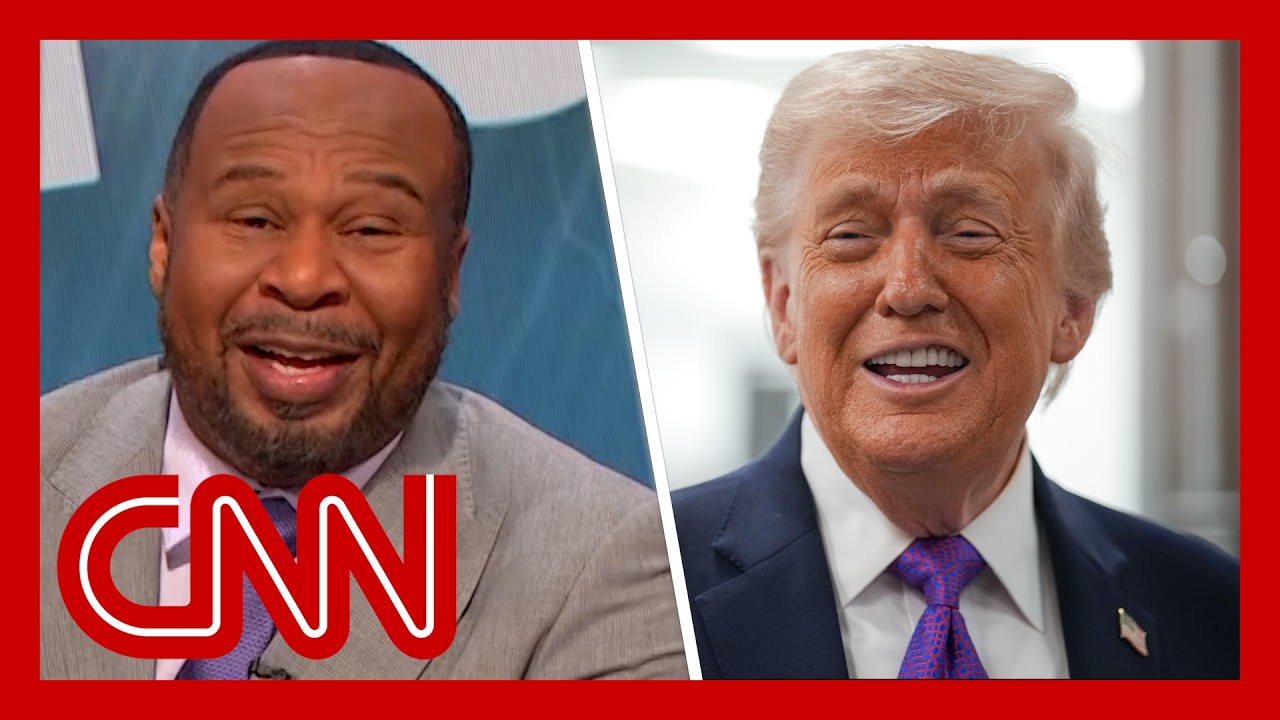
Public dialogue surrounding the conflict often oscillates between overt alarm and bemusement. The humorous yet poignant remarks surfaced in media discussions reflect widespread disbelief at the administration’s approach. Beyond the reflections on domestic military strategy lies a larger narrative: the stark reality of war and its consequences. When decisions are made based on “vibes” rather than concrete timelines or strategies, the stakes feel dangerously ambiguous.
As we navigate this complex crisis, it is imperative that public discourse remain grounded in realism rather than theatrics. The potential ramifications of military action in the Strait of Hormuz extend far beyond the theater of politics; they touch the very fabric of international energy security and, by extension, the global economy. The question remains whether the American public will tolerate an administration that seems increasingly unfocused and disconnected from the gravity of warfare. In an era where decisions about military engagements resonate globally, clarity and accountability must be prioritized to forge a sustainable path forward.
In a world already fraught with uncertainty, one thing remains abundantly clear: the implications of actions taken in the coming weeks will reverberate for years to come.