The Persistent Allure of Middle Eastern Entanglements
For over a decade, American leadership has consistently expressed the desire to extricate the nation from the intricate web of Middle Eastern conflicts. All three presidents since 2008—Bush, Obama, and Trump—shared a common view: the urgent need to refocus on domestic issues, such as rebuilding the industrial base and addressing the strategic rise of China. Despite these intentions, the United States finds itself embroiled once again in a military engagement aimed at reshaping a society in the greater Middle East. The repeated struggle to forge peace in Iraq, Afghanistan, and Libya raises a critical question: Why does this cycle persist?
To answer that, we must reflect on historical precedents. The United Kingdom, at the dawn of the 20th century, provides an illustrative case. Britain held the title of the world’s foremost superpower, commanding about 25% of global GDP by the late 19th century. London was not only a political hub but also the financial capital of the world. The British Empire curtailed Napoleon’s ambitions in Europe and staved off Russian expansion in the south. However, as Britain sought to manage instability across Asia and Africa—countries like Sudan, Iraq, and Jordan—its focus shifted away from pressing domestic concerns. This distraction led to severe strains on British resources, evident when the cost of quelling the Iraqi rebellion in 1920 was nearly equivalent to the nation’s entire educational budget at the time.
While British leaders were embroiled in overseas debates, a formidable competitor was rising across the Atlantic. The United States was quietly constructing an unprecedented industrial economy, placing it in a position to surpass Britain. Simultaneously, Britain’s preoccupation with distant conflicts laid the groundwork for its eventual decline as the world’s leading power.
Today, America finds itself grappling with similar imperial temptations. Faced with crises in the Middle East, the government operates under the belief that intervention can yield quick political and moral victories. However, this perspective fails to consider the finite nature of national resources—be it political capital, military focus, or economic resilience. Every airstrike and congressional debate about foreign intervention siphons attention away from the broader, more urgent competition with China and Russia.
China, refusing to get bogged down in Middle Eastern conflicts, is making relentless advancements in key technological fields like artificial intelligence and renewable energy. Meanwhile, Russia continues to undermine Western democracies through complex hybrid warfare. These nations challenge the global order established by the United States, yet American resources are increasingly diverted into maintaining influence in a tumultuous region.
The allure of engaging in what may be termed "small wars" is real. Great powers often find themselves seduced by the idea that military engagement can lead to quick gains, only to discover that such interventions rarely produce strategic benefits. History warns us that these engagements often pave the way for long-term exhaustion rather than lasting change.
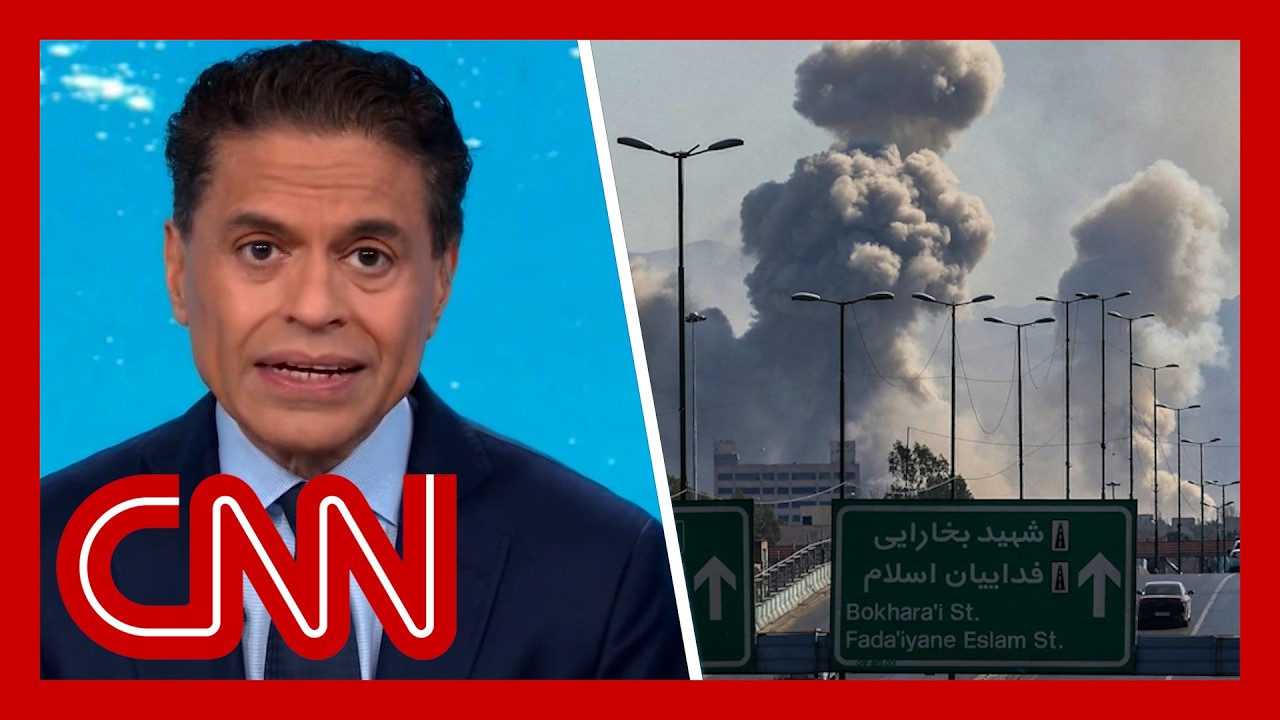
Consider the potential outcomes of renewed intervention in Iran. Should America succeed in destabilizing its regime, such a victory might demand even deeper involvement in the nation’s internal dynamics. Is this truly the best allocation of time and resources for the U.S. over the next decade? Historical insights suggest a clear answer: great powers typically falter not through overt military defeat but through the peril of overextension, focusing on peripheral conflicts while neglecting their foundational strengths.
In this context, we must consider Iran’s current posture. Karim Sadjadpour, a senior fellow at the Carnegie Endowment, argues that Iran’s strategy may be aimed at provoking a split in American public opinion by creating regional instability. They seem to desire an escalation that would compel the U.S. to reconsider its military commitments. As Gulf countries endure the economic toll of this conflict, they might begin to pressure Washington to step back, revealing the unsustainable nature of these prolonged engagements.
The discourse surrounding these dynamics inevitably points to the leadership within Tehran. Analysts express concerns that the Revolutionary Guard’s grip on power reflects an inward turn away from modernity—further complicating the prospects for reform inside Iran. Observing this evolution within Iranian governance signals a broader lesson: much like empires of the past, America risks losing sight of its core objectives by succumbing to the tempting distractions of peripheral conflicts.
Ultimately, the United States finds itself at a crossroads. By choosing when to engage, it must also determine how best to invest its resources for long-term global stability while avoiding the pitfalls of historical precedents. The challenge lies in prioritizing strategic objectives over the illusions of immediate victories in the complex landscape of the Middle East.