The Arrest of Prince Andrew and Its Implications for Accountability
The recent arrest of Prince Andrew marks a historic moment in the British monarchy, as it is the first time in nearly 400 years that a senior royal has faced such legal scrutiny. This event has pressed other leaders, including former President Donald Trump, to reflect on the nature of accountability in their own nations. During his remarks on Prince Andrew’s arrest, Trump expressed that this situation is unfortunate for the royal family and lamented how discussions surrounding Jeffrey Epstein have evolved since his death.
Trump characterized himself as an "expert," implying that his own legal troubles had been resolved. He spoke about accountability in a tone that mixed sympathy for those implicated in scandal with a self-congratulatory note about his own exoneration. This raises a critical question: why does it seem that there is a stronger demand for accountability overseas than in the United States?
While Trump’s comments may seem to gesture toward some acknowledgment of the victims involved, his focus on his own situation shifts attention away from the pressing concerns surrounding systemic injustice and the need for genuine accountability. A deeper understanding of the Epstein scandal reveals a grave pattern of abuse involving some of the world’s wealthiest individuals, who often evade repercussions through their status.
The tone of Trump’s remarks contrasted sharply with the grave gravity of the situation. His empathy appeared superficial; genuine compassion would require a more profound acknowledgment of the systemic failures that allowed such abuses to occur. Yet many in the U.S. share this frustration and have been vocal about it—demanding deeper investigations and accountability for all parties involved.
Former U.S. Deputy Attorney General Todd Blanch acknowledged that the Department of Justice had reviewed the Epstein files but found no grounds for prosecution. This dismissal raises significant concerns. How can a government agency assert with such certainty that no prosecutable offenses exist when so many details remain obscured by redactions? The appetite for accountability is palpable among the American populace, and calls for more comprehensive investigations are only intensifying.
It’s noteworthy that the investigation has unveiled a web of connections between Epstein and numerous powerful figures across party lines—many individuals mentioned in association with Epstein have not faced significant scrutiny. Names like Bill Gates and George Clooney appear alongside higher-profile politicians. This complicates the political narrative and suggests that a collective reluctance persists to confront these issues directly.
The focus on Epstein and individuals within his orbit translates into a broader discourse about moral accountability among the wealthy and powerful. The reality is stark: for every individual who has faced legal consequences, such as Ghislaine Maxwell, there are many others who remain untouched. Survivors of Epstein’s scheme are rightly questioning why there is a lack of action against many individuals implicated in the abuse.
Compounding the challenge is a political landscape that has often relegated these issues to the backburner. Many citizens express confusion over why discussions about sex trafficking have not received the same urgency as topics like immigration or economic policies. This reflects a disconnect between political priorities and the pressing moral issues that resonate deeply with many Americans.
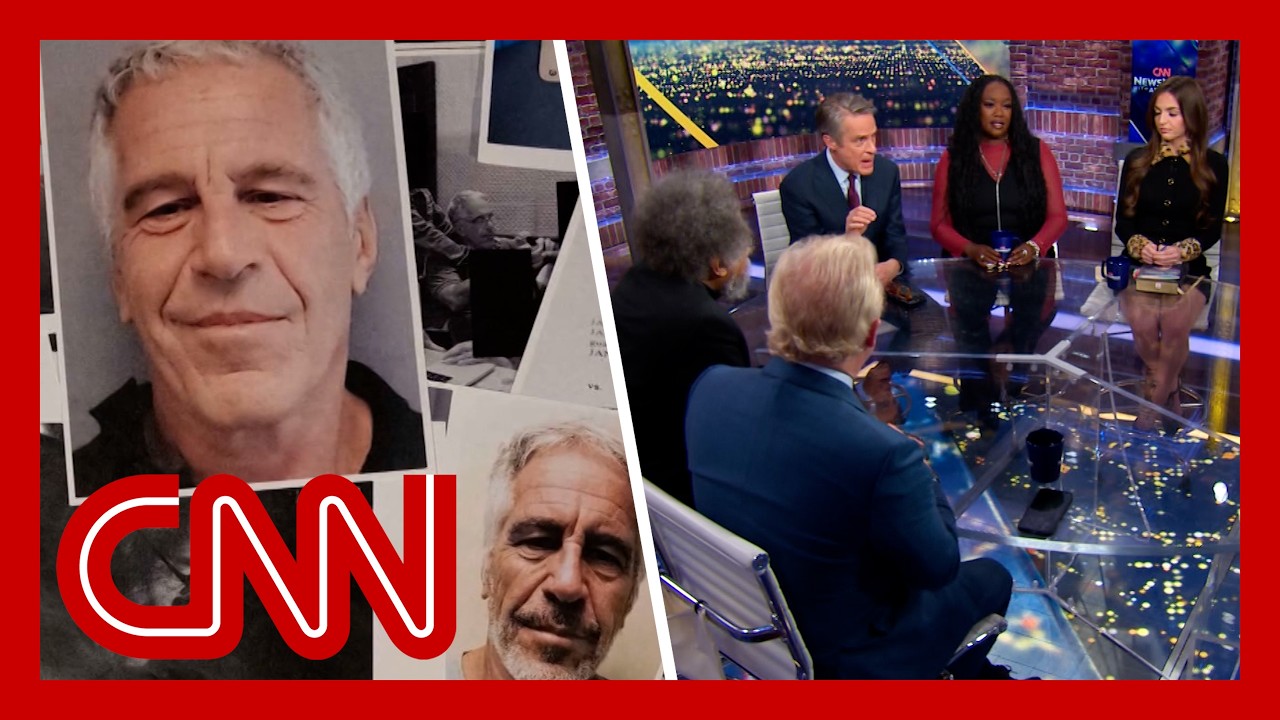
Experts and advocates emphasize the need for a cultural shift—one that prioritizes integrity, accountability, and justice for all over wealth and status. Voices like those of Dr. Cornel West remind us that the quest for justice must transcend mere legal action; it must resonate at a moral and ethical level. The conversation moving forward must focus not just on naming the names associated with wrongs but also on recognizing the societal structures that empower such behaviors.
As Prince Andrew faces the monumental fallout of his arrest, the world watches not only for the unfolding legal implications but also for a potential shift in how society addresses issues of power and accountability. The hope remains that this moment can serve as a catalyst for change, spawning a demand for justice and fostering a culture that encourages moral clarity in confronting egregious violations of trust. The stakes are high, and the world must grapple with the truth that accountability is not an option but a necessity in building a fair and just society.