Hezbollah’s Position in the Current Conflict Landscape
As tensions escalate in Lebanon, the role of Hezbollah has come under intense scrutiny. Amid calls for a ceasefire, there’s a palpable desire among various factions to ensure that any cessation of hostilities does not revert the country to the status quo from the previous 15 months—a situation many view as untenable.
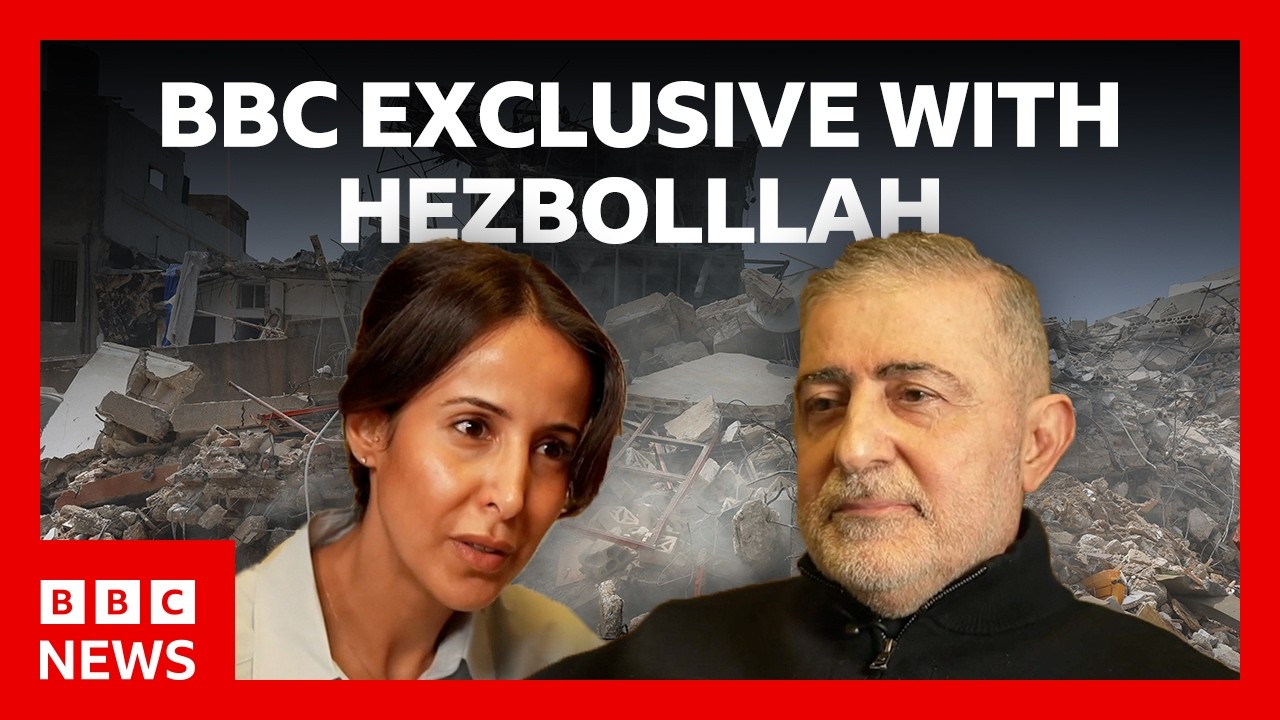
To understand Hezbollah’s perspective, it is necessary to recognize that the organization claims to prioritize the preservation of civil peace. Despite widespread allegations that Hezbollah instigated the current conflict, the group asserts it has largely been on the defensive, responding to Israeli assaults. For 15 months, Hezbollah has faced hostile actions from Israeli forces, and the organization insists it cannot be relegated to a mere target for Israeli aggression. As Hezbollah’s leaders have articulated, any Israeli attack will be met with a proportional response.
Hezbollah emphasizes that its military operations are distinctly aimed at Israeli military targets, not civilians. This distinction, while contentious, aims to underline their commitment to avoiding civilian casualties. The group maintains that if collateral damage occurs, it is inadvertent—as they seek to focus their fire on Israeli military installations and personnel. This claim, however, invites skepticism and criticism, particularly from those who argue that no military conflict occurs without some level of impact on civilian life.
Moreover, the intricate relationship between Hezbollah and Iran adds another layer to the conflict. Hezbollah contends that it has benefitted from Iranian support, particularly during escalated confrontations with Israeli forces. This partnership, according to Hezbollah, is born out of necessity rather than exploitation. While Iran demands conditions be met before engaging in negotiations—like a definitive ceasefire—it claims its involvement is, in fact, a protective measure for Lebanon.
However, the insistence on certain terms before any dialogue takes place raises questions. There exists a looming fear that Hezbollah’s stance could complicate efforts aimed at restoring stability. With the prospect of negotiations hanging in the balance, the simultaneous requirement for a withdrawal of Israeli forces and the release of detainees remains contentious. Many Lebanese view these prerequisites as essential, while others worry they could prolong the deadlock.
One complex aspect of the current situation involves humanitarian concerns, particularly the return of displaced individuals and the need for reconstruction. In a post-conflict scenario, a stable environment is crucial for both the displaced and those remaining in affected areas. Hezbollah has articulated that any conversation concerning disarmament must occur in the context of humanitarian needs and state-building. Only once these needs are recognized will any meaningful dialogue regarding weapons and military strategy become feasible.
Another contentious point pertains to the broader implications for Lebanon’s sovereignty and national security. The perception of Hezbollah as a state within a state complicates how the Lebanese populace interacts with both the organization and the state mechanisms. The fear is that any perceived weakness from the government may embolden external aggressors and complicate relationships with neighboring powers.
The future of Lebanon hangs precariously in this complex balance. The nation’s trajectory will depend greatly on how various stakeholders—including Hezbollah—negotiates their roles in achieving lasting peace. While certain factions may seek to return to previous power dynamics, the lessons from 15 months of conflict have not been lost on many in the Lebanese population. The calls for peace must resonate beyond political rhetoric; they need actionable plans that prioritize the security and dignity of all Lebanese citizens.
Ultimately, it remains essential for dialogue to be open, inclusive, and guided by mutual respect. The road ahead may be fraught with challenges, but as Lebanon seeks to emerge from its tumultuous landscape, collective efforts aimed at peace and stability will be paramount. In this regard, Hezbollah’s willingness to engage in constructive discussion could prove decisive for Lebanon’s future.