Ontario’s Grocery Pricing Debate: Premiers, Policies, and Public Concerns
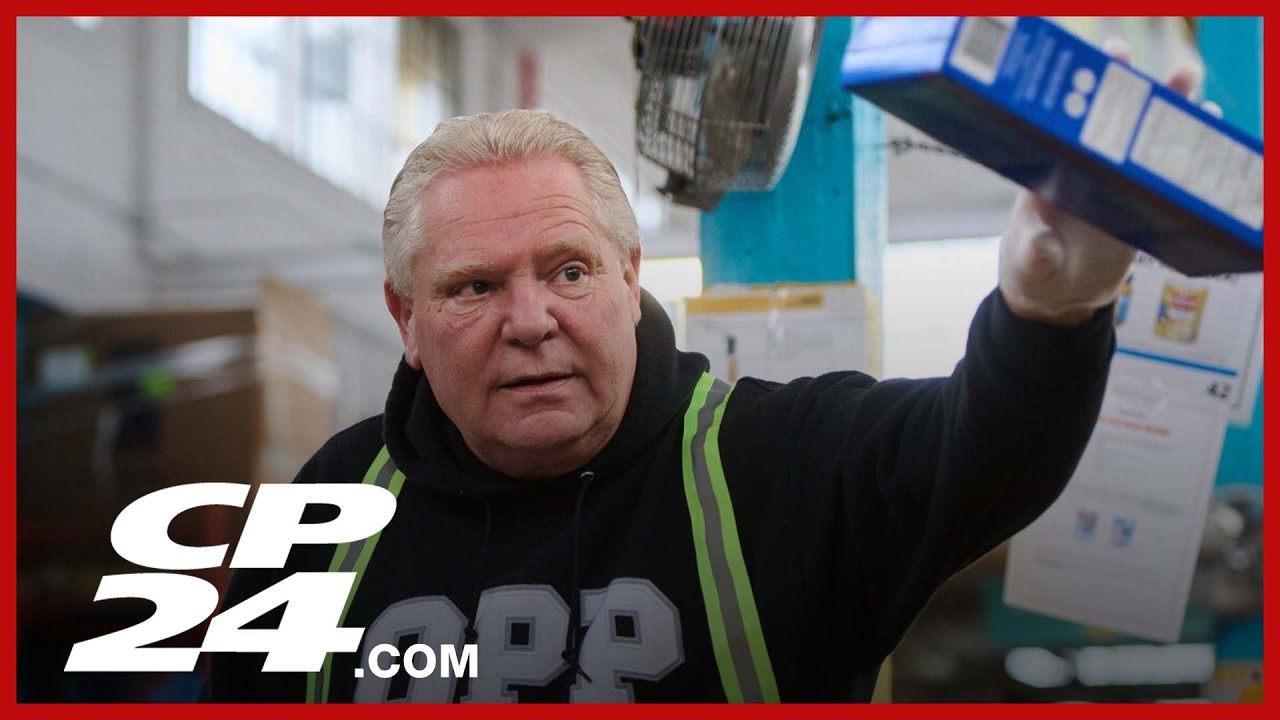
In a recent turn of events in Ontario, Premier Doug Ford firmly rejected the proposition to ban surveillance pricing on groceries. Surveillance pricing, often referred to as predatory or dynamic pricing, involves charging different customers varying prices for identical items based on their purchasing behavior or location. The Ontario New Democratic Party (NDP), however, is calling for action similar to that taken by Manitoba, advocating for a ban on this pricing model.
Ford’s stance reflects his belief in a free market system, which he argues is the best mechanism for lowering prices. “Competition is the best driver of lower prices,” he emphasized, suggesting that the market should self-regulate. While economic theories often support the idea that competition leads to better prices, the reality for many Ontarians appears to be quite different. Almost every grocery shopper has noticed the rising costs. A walk down any grocery aisle reveals stark evidence of inflation: potato chips priced at an astonishing $7 a bag and meat soaring to unprecedented heights.
Despite the Premier’s assertions, numerous voices are emerging to challenge his reasoning. Ontario’s grocery prices have become a sore topic for many residents. Notably, while price hikes are visible, the incidences of surveillance pricing, as reported in the U.S., seem to be absent in the local market. An investigation found that some online shoppers, using third-party platforms, were indeed charged different prices for the same goods. Ford’s response indicates a gap between the concerns of consumers and the government’s acknowledgement of these complexities. For the average shopper, comparing prices is straightforward. Engage in a conversation with friends or browse social media—you will quickly see advertisements reflecting varying costs for the same products.
Most residents agree: grocery bills are becoming increasingly burdensome. The Premier concedes that prices are high, attributing the surge to rising gas costs. His argument suggests a direct correlation between fuel price hikes and the overall cost of goods, notably groceries. However, many consumers may not find this explanation completely satisfying. The question lingers: Are fluctuations in fuel prices sufficiently responsible for the steep increase in grocery costs?
The idea of implementing measures similar to Manitoba’s ban on surveillance pricing finds traction among those concerned about fairness in the marketplace. Critics argue that when consumers are manipulated into paying different prices based on their online behavior, it undermines trust—a fundamental component of any marketplace. Transparency, they contend, is essential for consumers who work hard for their money. Such measures could ensure that every shopper pays a fair price, regardless of their purchasing habits or the algorithms tracking their online behavior.
Still, the Premier’s free-market ideology emphasizes minimal government interference. To many, it appears that while the government has a role in regulating unethical practices, the notion of entirely banning surveillance pricing may warrant further examination. Undoubtedly, the political discourse around grocery pricing is indicative of broader economic challenges affecting many across Ontario. Those experiencing the realities of inflated prices may find it increasingly difficult to reconcile the Premier’s statements with their own experiences at the checkout.
As the discussion evolves, it will be essential for stakeholders to engage in constructive dialogue, weighing the benefits of a competitive market against the need for consumer protection. Advocating for a balance may lead to solutions that uphold both the integrity of the market and the interests of consumers. All eyes remain on Ontario as the government navigates this challenging landscape, ensuring that the voices of everyday citizens are not drowned out in the chorus of free-market rhetoric.