The Turbulent Congressional Hearing: A Tension-Heavy Exchange with Attorney General Pam Bondi
The recent congressional hearing featuring Attorney General Pam Bondi showcased an undeniable shift in the substance of political discourse. Rather than the usual decorum expected in such settings, the session quickly devolved into heated confrontations and a cacophony of interruptions. This particular hearing held significant stakes, touching upon the release of the Jeffrey Epstein files and the broader implications for justice and accountability.
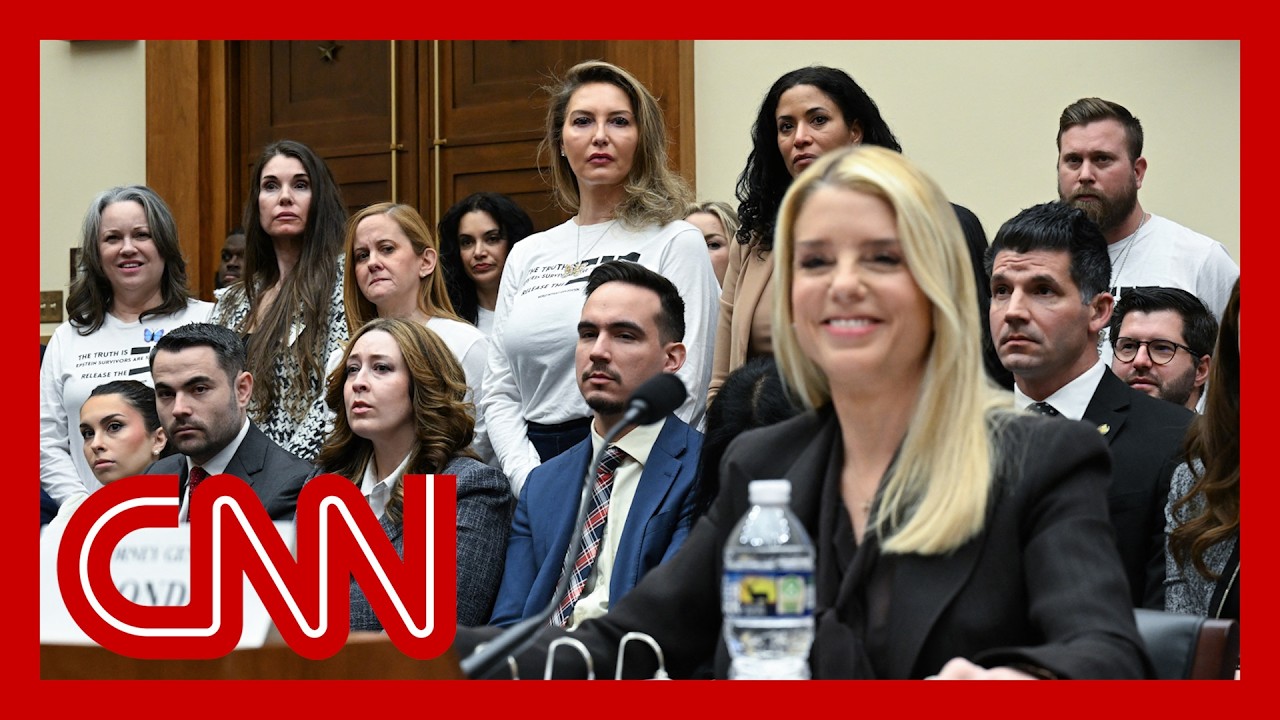
From the start, Bondi’s performance exhibited a mix of defiance and aggression. Members of the House Judiciary Committee struggled to maintain order as questions directed at Bondi were met with defensive retorts. For instance, Congresswoman Primila Jipal’s inquiry about Bondi taking responsibility for the Justice Department’s actions was met with an aggressive rebuttal: Bondi insisted that each member could question her as they pleased, despite the palpable frustration emanating from the survivors standing behind her.
The emotional gravity of the hearing cannot be overstated. In a striking moment, Jipal prompted Epstein survivors present to raise their hands if they had been unable to meet with the Justice Department. Every hand went up—a poignant reminder that victims often feel overlooked in the judicial processes designed to protect them. Acknowledging their pain in her opening statement, Bondi expressed sorrow for their experiences, stating that the FBI was willing to hear their concerns. Yet, throughout the hearing, it became increasingly apparent that the Attorney General was addressing a specific audience rather than the pressing issues at hand.
Bondi’s posturing and refusal to directly engage with questions raised by committee members further fueled tensions. One particularly fiery exchange addressed allegations against the Justice Department concerning previous investigations. A Republican member called out the alleged "Trump derangement syndrome" among critics, framing the opposition as a politically motivated attack rather than a genuine inquiry into the Department’s conduct. "You sit here and attack the president, and I’m not going to have it," Bondi declared with palpable intensity, underscoring her intent to protect her administration rather than provide clarity.
Unfortunately, this contentious atmosphere came at a cost. The session represented a failure of meaningful discourse; it hardly illuminated the Justice Department’s approach toward investigations associated with Epstein or addressed the agency’s credibility among judges nationwide. As one commentator noted, such behavior reflects poorly on the Justice Department. This was not merely a momentary lapse in decorum but rather part of a troubling trend that has undermined the standards of decorum expected in governmental hearings.
Rather than substantive policy discussions, the hearing devolved into name-calling and theatrics. Phrases like "washed-up loser lawyer" echoed through the chamber, reducing the session from a serious investigation to a farcical display. As some congressional members resorted to partisan theatrics, the public’s need for transparency and accountability remained unmet.
The stakes at this hearing were not limited to the Epstein files. The broader implications for ongoing investigations, including the search warrants in Fulton County, Georgia, were similarly overshadowed. Committee members desperately sought clarity on these critical issues but were met instead with obfuscation and deflections. The lack of substantive dialogue highlighted a troubling trend: the erosion of oversight function in Congress, exacerbated by hyper-partisan bickering.
While theatrics are nothing new in political settings, the current atmosphere has notably deteriorated. Once, questions in congressional hearings could yield constructive discussions, even with an underlying partisan tension. Today, the willingness to engage in adversarial but respectful questioning has diminished, leading to an environment that favors spectacle over substance.
The implications of this congressional hearing stretch beyond immediate accountability issues. It raises profound questions about the future of oversight and the integrity of the Justice Department. As the political landscape continues to shift, both sides must confront the harsh reality that governance should not devolve into a soap opera. Rather, it must uphold the essential tenets of accountability, transparency, and respect for the dignity of all participants, especially those most affected by the policies in question. As this tumultuous hearing illustrates, the path toward obtaining these principles remains steep and fraught with challenges.