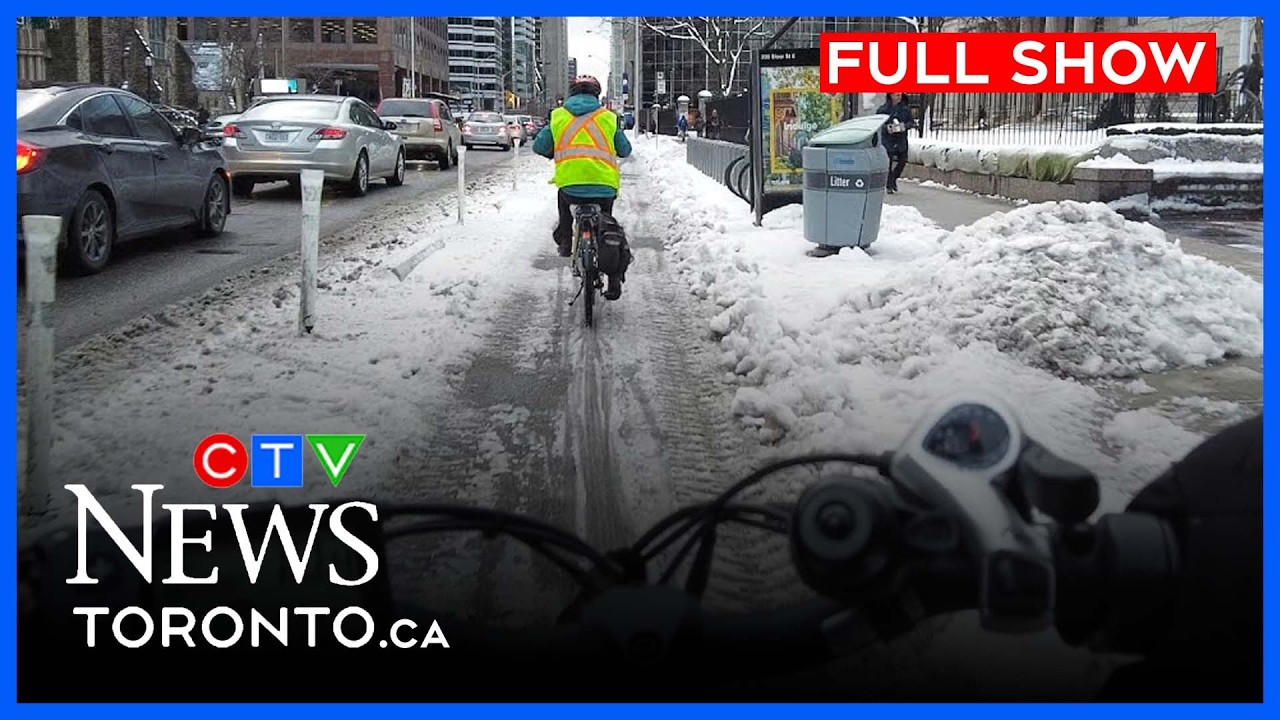
Toronto’s Bike Lane Debate: Aftermath of Recent Snowstorms
Weeks after a powerful storm blanketed Toronto with record-breaking snow, the city is now grappling with accessibility issues, particularly concerning its bike lanes. Cyclists are voicing their frustration, urging municipal authorities to prioritize snow removal efforts for bike lanes alongside the usual routes for pedestrians and motorists.
Initial reports indicate that the situation is not entirely bleak. Many bike lanes, particularly those along main thoroughfares such as Bloor and Kipling, have been cleared to reveal dry asphalt. However, some areas remain problematic, with snow and slush creating obstacles for cyclists attempting to navigate the city. Activists have pointed out that once a significant weather event has been declared, as it was during the recent storm, the timelines for snow clearance can become lax. They argue that cyclists should be considered equal road users and deserve timely snow removal.
One local cycling advocate expressed disappointment over the city’s handling of bike lane maintenance post-storm. "The initial days of snow clearance are understandable, especially for sidewalks," he remarked. "However, after a week and a half, having bike lanes still blocked is really disheartening." This sentiment echoes throughout the cycling community, which perceives any blockage as not only inconvenient but potentially dangerous, especially for less experienced riders.
Compounding the challenge, the Mayor’s office has been under scrutiny from frustrated residents. In January, Toronto police issued over 21,000 tickets to drivers parked on designated snow routes, a move that generated millions in revenue for the city. However, many residents argue that this financial gain was overshadowed by the lack of available parking options caused by delayed snow clearance.
Local businesses have also felt the repercussions. For example, the owner of a bakery on Saint Clair West reported losing a significant portion of business—between 20 to 30 percent—due to the lack of parking near her establishment. The frustration is palpable; these businesses rely on customer traffic that has been severely hindered by poor snow management.
The City of Toronto, in its defense, has claimed that the unprecedented amount of snow—almost 90 cm during the storms—resulted in major logistics challenges for snow-clearing crews. City officials remind residents that temporary parking restrictions remain in place to facilitate ongoing snow removal efforts.
In light of these complexities, there’s a growing call among activists for a reassessment of snow clearance priorities. They argue that a more balanced approach to maintaining bike lanes can help promote safer cycling and relieve pressure on other modes of transport. The conversation continues to evolve, with residents, cyclists, and city officials all keenly aware of the need for improvement before the next significant weather event arrives.
As Toronto moves forward, it is clear that the relationship between cyclists and the city’s infrastructure requires greater attention. The cost of inaction goes beyond inconvenienced commuters—it can impact local businesses and overall community well-being. A concerted effort to ensure bike lanes are treated as essential to the city’s transportation network may not only drive economic recovery but also promote a healthier, more sustainable urban lifestyle.
With the annual cycling season fast approaching, the stakes are high. Will city officials heed the calls for change? The coming weeks may prove crucial, as open discussions about the effectiveness and efficiency of the city’s response can set the stage for how Torontonians navigate their roads.