The War in Iran: Key Developments and Implications on Day 34
As the conflict in Iran escalates, the situation becomes increasingly complex and fraught with danger. Day 34 of the ongoing war has seen significant military and geopolitical developments that require careful scrutiny and analysis.
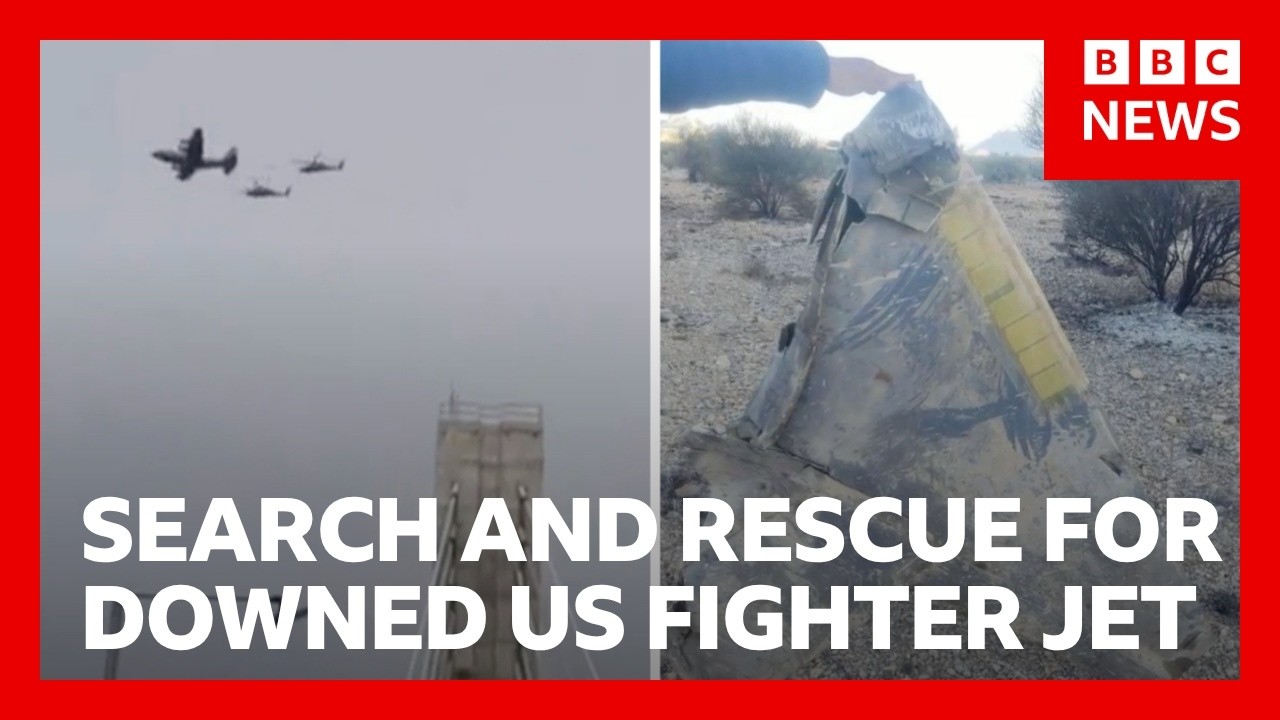
One of the most alarming updates is the search and rescue operation initiated after a U.S. fighter jet was reportedly shot down over western Iran. Current reports indicate that one crew member has been successfully rescued, but the fate of the second is still uncertain. The emergence of images showcasing parts of the downed F-15, coupled with Iranian state media’s announcements, indicates that the aircraft was likely downed by enemy fire—a troubling first for U.S. air operations in this conflict.
In discussions with military analysts, insights into the role of the F-15E Echo emerged. This multi-role aircraft, known for its versatility in air-to-air and air-to-ground missions, was reportedly deployed from RAF Lake and Heath in the UK. Analyst Mikey K emphasized its significance in operations, detailing its function in countering threats like the Iranian Shahed 136 drones. However, the circumstances behind the aircraft’s downing remain unclear. Factors could include a surface-to-air missile attack or potentially friendly fire, but the absence of concrete evidence at this stage complicates any definitive conclusions.
Compounding the distressing nature of these events, the war is seeing a troubling pattern where both U.S. and Iranian forces continue to target civilian infrastructure. Legal experts have voiced alarm over potential violations of international law, especially given the reports of attacks on critical utilities like desalination plants and oil refineries in Gulf States, including Kuwait.
In Iran, official reactions have showcased a juxtaposition of defiance and internal propaganda. The parliament speaker ridiculed the U.S. government’s stance and its claims of pursuing regime change, suggesting that Iran is reasserting its territorial and ideological strength amid pressures. This narrative is compounded by an information vacuum within Iran due to stringent internet controls, limiting communication and independent reporting from within the country.
Meanwhile, the repercussions of military escalation are increasingly being felt across the region. Iran has intensified assaults on its neighbors, particularly targeting energy infrastructure in the Gulf States. In the United Arab Emirates and Kuwait, recent Iranian drone attacks illustrate a strategic shift towards disrupting oil supplies, adding further volatility to global energy markets. The ramifications of such actions are evident as rising oil prices engender inflationary pressures worldwide.
For example, Brent crude prices have surged, reflecting market apprehensions about sustained disruptions in the Strait of Hormuz—an artery crucial for global oil transportation. With prices now at levels unseen since the aftermath of major geopolitical events, concerns extend beyond immediate economic impact to longer-term stability.
In Pakistan, where the government has dramatically raised fuel prices by 43%, citizens are already facing tangible consequences from the conflict. This measure, a direct consequence of the war’s fallout, signals broader economic strains across nations reliant on oil imports from the region.
As military activities persist, the implications extend further into international relations and humanitarian considerations, with discussions of air superiority and the protection of civilians at the forefront. Calls for adherence to international law and scrutiny of military strategies are more pertinent than ever, especially amid warnings of potential war crimes resulting from attacks on civilian infrastructure.
In summary, the situation in Iran continues to unfold with troubling developments, creating shockwaves that impact not only regional stability but also the global economy. As both military and diplomatic channels remain unpredictable, heightened caution and vigilance are necessary as the international community grapples with the far-reaching ramifications of this ongoing conflict.