U.S. Fighter Jet Downed in Iran: A Complex Situation Unfolding
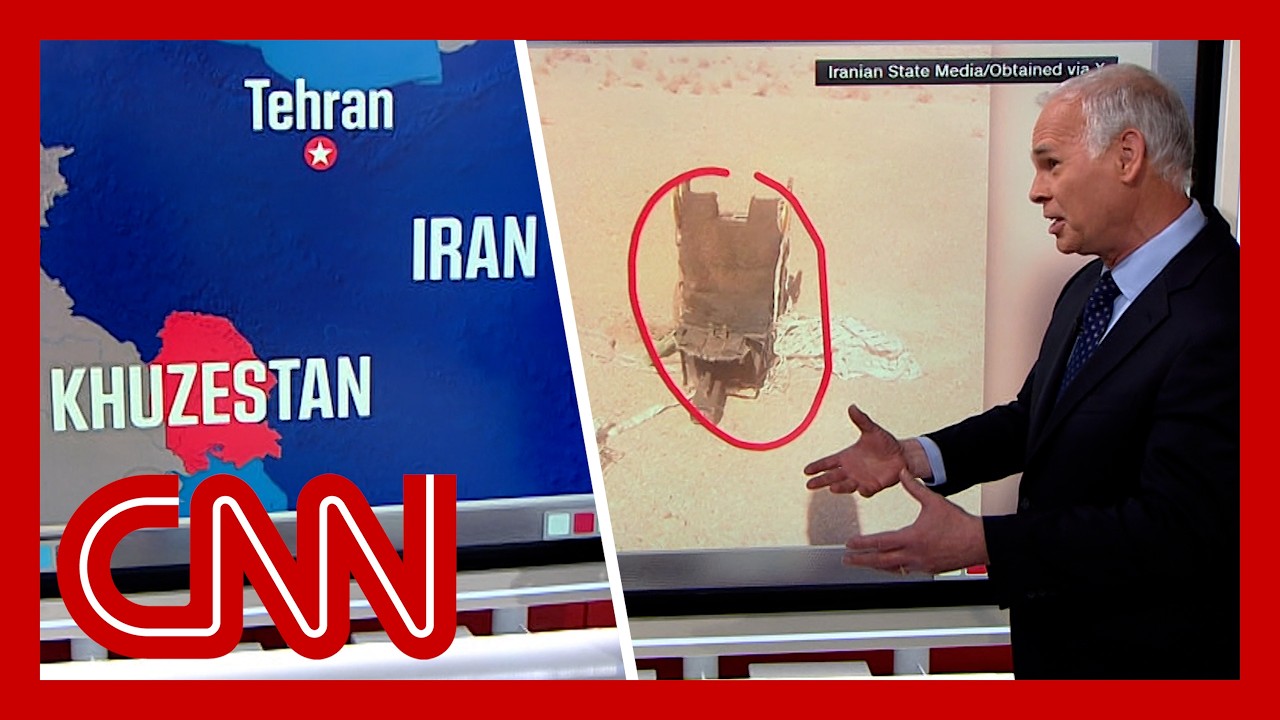
A recent incident involving a U.S. fighter jet shot down over Iran has raised significant concerns about military operations in the region. Reports indicate that a crew member has been rescued, but the fate of the second remains uncertain. Initial claims by Iranian state media erroneously identified the aircraft as an F-35 stealth fighter; however, subsequent analysis suggests it was an F-15. This distinction is crucial, as it signifies varying capabilities and implications for U.S.-Iran relations.
The Ejection Seat: An Indicator of Survival
Photographs disseminated by Iranian media have sparked a deeper analysis of the wreckage. The presence of the damaged ejection seat suggests that the ejection process may have been executed properly, a factor corroborated by Colonel Cedric Leighton. Ejection seats are equipped with explosive charges to safely propel pilots from an aircraft in emergency situations. While the damage noted raises questions about the conditions surrounding the incident, it also opens up possibilities for survival. Colonel Leighton noted that if the impact of the ejection was indeed as suggested by the photographs, it is "definitely survivable."
A Closer Examination of the Wreckage
As analysts dissect the wreckage, it’s significant to highlight that the F-15 is not a stealth aircraft like the F-35. This distinction matters, especially regarding Iran’s military capabilities and the perception of U.S. air dominance. The F-15’s visibility to radar means it is not as difficult to target, a fact that could be construed as a vulnerability for U.S. forces operating over Iranian airspace.
Retired U.S. Lieutenant General Mark Schwarz weighed in on the situation, discussing not only the recovery efforts of the downed aircrew but also the broader implications for U.S. military strategy. The presence of a refueling aircraft, identified as an HC-130, likely indicates a tactical operation to extend the range of rescue missions into Iranian territory.
Harsh Realities of Modern Warfare
Despite the U.S. military’s asserted dominance in the region, the incident underscores a worrisome reality: Iran retains the capability to challenge that supremacy. The complexities of modern aerial combat mean that claims of air superiority do not equate to an absence of threats. Iran remains equipped with surface-to-air missile capabilities and mobile launchers, which are difficult to detect and target. This could explain how the F-15 was downed in the first place.
General Schwarz noted that every crew member undergoes rigorous survival and evasion training, crucial for moments where they find themselves in enemy territory. They are taught to find cover and establish communication with their teams. But even with this preparation, the uncertainties are daunting, particularly as darkness sets in over the operational area.
Domestic and International Reactions
The U.S. administration’s messaging regarding military strategy in Iran has received scrutiny, especially following President Trump’s recent prime-time address. His assertions that Iran is "decimated" militarily stand in stark contrast to the current realities being presented by military analysts on the ground. Recent polling indicates a stark disconnect between public perception and the administration’s messaging, with only 33% approving of the President’s handling of the situation.
As military operations continue, the potential long-term ramifications on U.S.-Iran relations cannot be ignored. The President’s rhetoric surrounding this conflict may be perceived as exaggerated, leading to increased skepticism among the American public about military involvement in Iran. Historical precedents remind us that military success does not always translate into popular support.
A Complicated Path Forward
Ultimately, the downing of the F-15 and the uncertain status of its crew exemplify the multifaceted difficulties the U.S. faces in managing its military engagements abroad. While U.S. forces have demonstrated capability in many areas, incidents like these reveal a stark reminder of the vulnerabilities that remain. Both military leaders and policymakers must navigate these realities carefully, as evolving circumstances on the ground will continue to shape public opinion and diplomatic relations. The unfolding situation serves as a crucial test of both military strategy and the administration’s ability to maintain transparency with the American populace.