Escalating Tensions: The U.S. Stance on Iranian Infrastructure
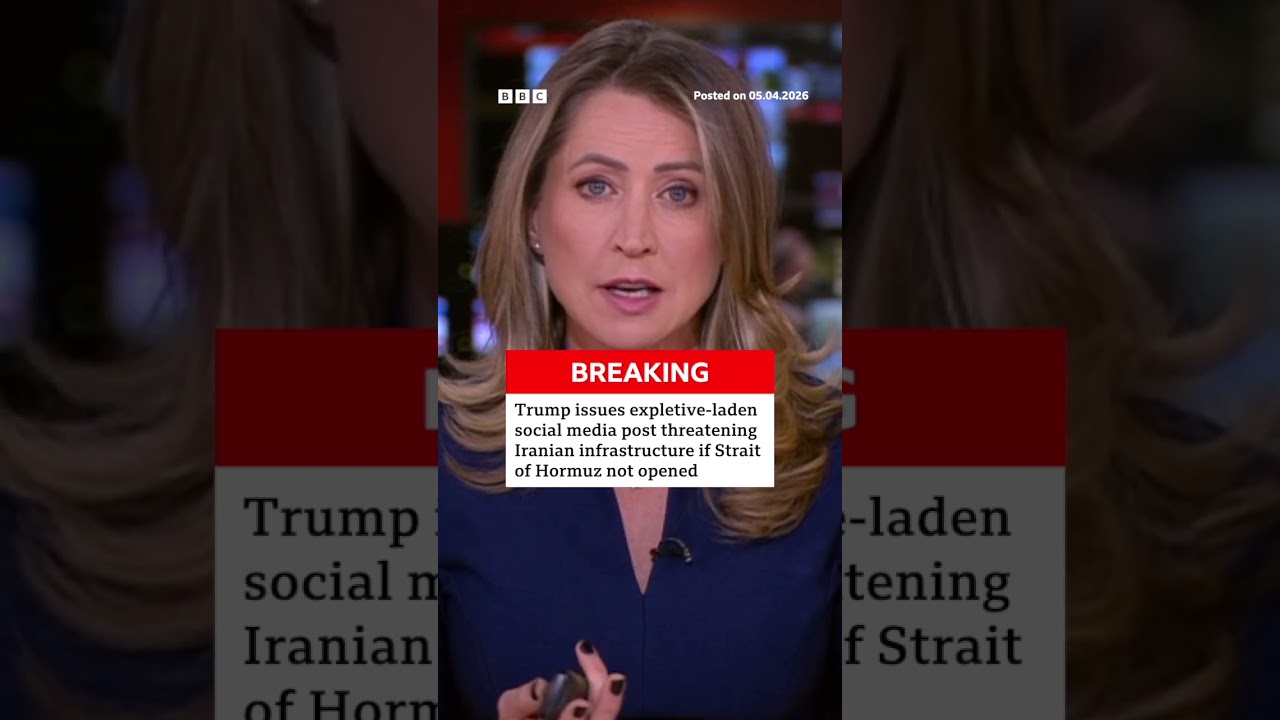
In recent remarks, former President Donald Trump has reiterated his threats toward Iran, specifically targeting the nation’s energy and transport infrastructure. This follows ongoing tensions surrounding the Strait of Hormuz, a critical maritime chokepoint for global oil shipments. Trump’s statements have fueled speculation about potential military action and diplomatic fallout, casting a shadow over an already precarious political landscape.
On his social media platform, Truth Social, Trump suggested that significant disruptions could occur in Iran should they fail to comply with U.S. demands regarding the Strait. His message was stark and direct: “Tuesday will be power plant day and bridge day all wrapped up in one in Iran. There will be nothing like it.” Such language underscores the seriousness with which he views the situation and reflects his willingness to employ aggressive rhetoric. The explicit threats to attack infrastructure highlight an alarming shift in tone—one that resonates most deeply with his base but raises concerns among national and international security analysts.
The Strait of Hormuz is vital not only to Iran but also to global energy supply chains. Approximately 20% of the world’s oil passes through this narrow waterway. Any disruption, especially stemming from military action, could lead to significant ramifications—not just for Iran but also for global markets. Trump’s warning, coupled with his provocative phrasing, raises the stakes in a region known for volatility. His assertion that “there will be nothing like it” suggests an approach unbound by the conventions of diplomacy, instead opting for intimidation as a tactic.
The former president’s apparent disregard for traditional diplomatic channels and his preference for aggressive posturing is noteworthy. Such a stance might resonate with individuals who favor a more confrontational approach to international negotiations. Yet, historical precedents warn against this method. The consequences of military engagements can lead to unintended consequences, including civilian casualties and escalated hostilities.
While Trump’s language has often drawn criticism for its inflammatory nature, it also reflects a broader sentiment among certain factions in American politics. There is a growing belief that strength must be demonstrated through decisive action, particularly concerning adversarial states like Iran. However, this perspective begs the question: at what cost does such strength come? The risks of escalating military conflict could far outweigh the perceived benefits, leading to regional instability that may engulf the U.S. in a protracted conflict.
Moreover, Trump’s choice of words, including an exploitive expletive aimed at Iran, underscores an underlying tension inherent in U.S.-Iranian relations. The relationship has long been fraught with conflict, suspicion, and an ongoing cycle of retaliation. Such statements from a former president have the potential to incite further division and hostility, both domestically and internationally. They serve to alienate potential diplomatic partners and complicate the United States’ ability to craft a coherent foreign policy framework.
In addressing these complex issues, it is crucial to consider the perspectives of all stakeholders involved. Iran, too, has its narrative—one woven with pride, historical grievances, and a commitment to sovereignty. Their response to American threats cannot be predicted with certainty but often includes a mix of defiance and strategic maneuvering.
In conclusion, Trump’s recent comments mark a significant moment in U.S.-Iran relations, one that highlights the complexities of modern geopolitical dynamics. While threats may be intended to bolster national security standing, they risk igniting a powder keg of conflict. Understanding the broader implications of these statements requires careful consideration and a balanced approach, prioritizing dialogue and diplomacy over explosive rhetoric. In navigating these turbulent waters, it is essential to remember that words carry weight, and their impact extends far beyond the immediate urgency of the moment.