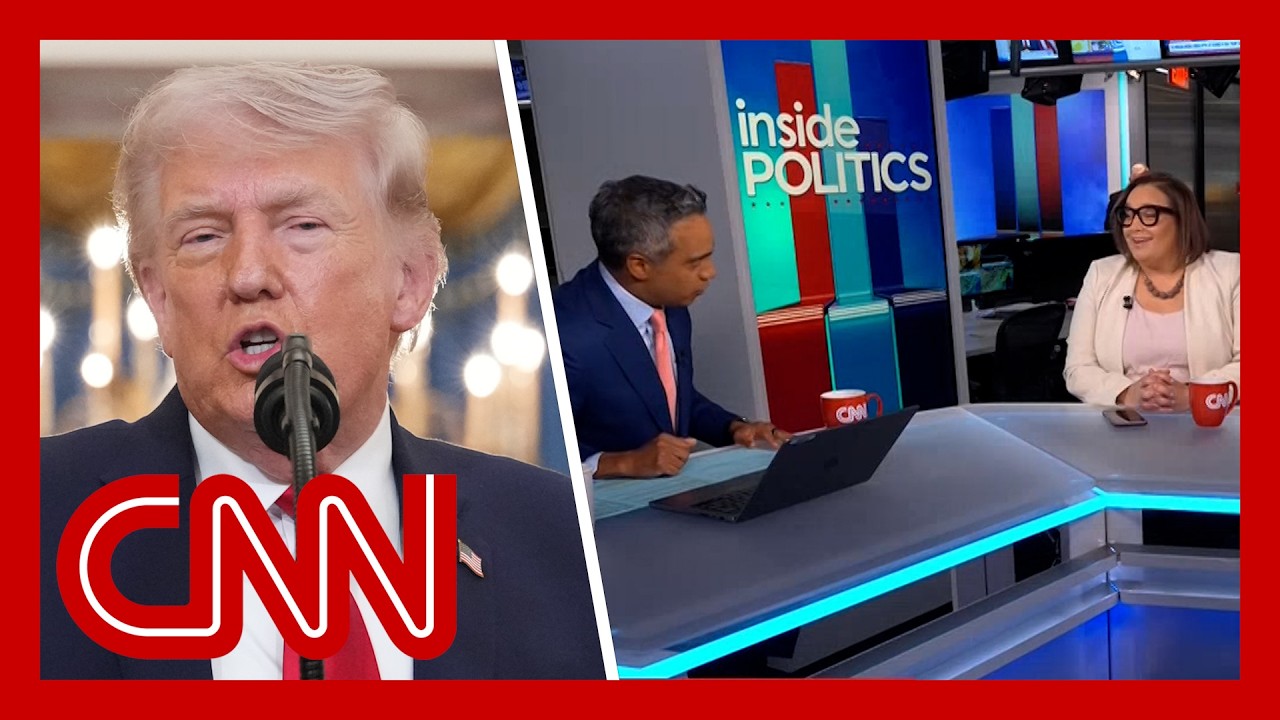
In a recent string of alarming declarations, President Trump has dramatically escalated his rhetoric towards Iran, issuing stark warnings regarding the Strait of Hormuz. The president’s threats have struck a jarring tone, combining unabashed aggression with a curious yet troubling invocation of religious credence. He has explicitly urged Iran to “open the fucking strait” or face dire consequences, stating that they will be “living in hell.” This stark ultimatum certainly calls into question the administration’s strategy while highlighting the very real risks of civilian harm.
This approach raises several important questions concerning international law and military ethics. Targeting civilian infrastructure, under normal circumstances, is viewed as a war crime. However, the president seems to be framing these utilities as dual-use assets that serve both civilian and military purposes. The complexities of this argument inevitably complicate the legal considerations surrounding any potential military actions.
While it can be tempting to interpret such rhetoric as mere bravado, it appears there is a palpable undercurrent of frustration and urgency driving these statements. Some analysts suggest that the president is reacting not just to geopolitical realities, but also to domestic pressures such as soaring gas prices and public sentiment against prolonged military engagements. Notably, while Trump has previously downplayed the importance of the Strait to American interests—stating that the U.S. does not rely on oil from that route—his latest statements signal a drastic shift in messaging.
Indeed, the recent address illuminated a confusing narrative. Just days prior, Trump had indicated that it was not America’s responsibility to ensure the safety of shipping routes crucial for other nations. Fast forward to his more recent assertions, and he appears to contradict this by issuing demands that could suggest a more aggressive posture than previously indicated. Such mixed signals complicate the international community’s understanding of U.S. strategy.
Moreover, the president’s choice of language—including the explicit threats and religious references—has raised eyebrows. Even in the context of wartime rhetoric, this level of invective is unprecedented. The invocation of Allah alongside the threats seems ill-considered, given the broader implications it carries. Diplomacy often relies on carefully calibrated language and a keen awareness of the cultural and religious significances involved. Not only does it raise ethical questions, but it also risks inflaming existing tensions between the diverse religious communities involved.
Discussions among political analysts and former officials reflect a deepening concern over the administration’s strategy—or lack thereof. For some, the angry, confrontational language may be an attempt to compel Iran into negotiations. However, the efficacy of such an approach remains questionable. Diplomacy, particularly with a country like Iran, often requires nuanced engagement rather than bellicose posturing.
Looking ahead, American military and foreign policy experts are wrestling with the implications of these aggressive tactics. Should Iran dismiss Trump’s ultimatum, the situation could escalate further. Observers have noted the precarious nature of this posture; it threatens to push the U.S. into a military engagement that might draw in regional allies and adversaries alike. The potential for chaos is palpable.
As we examine these issues, it remains crucial for all parties involved—both American and Iranian—to recognize the long-lasting consequences that arise from provocative language and actions. The imperative for peace cannot be overstated, especially in a context as fraught as U.S.-Iran relations. The path ahead must emphasize diplomacy and measured engagement rather than fear-driven ultimatums that risk igniting a larger conflict.
In summary, President Trump’s graphic threats to Iran pose a significant challenge, not just to diplomatic relationships but to the very principles of international law that govern armed conflict. The complexity of the scenario demands careful navigation, lest the situation deteriorate into something no party truly desires.