The Unfolding Impact of Missile Strikes on Civilians
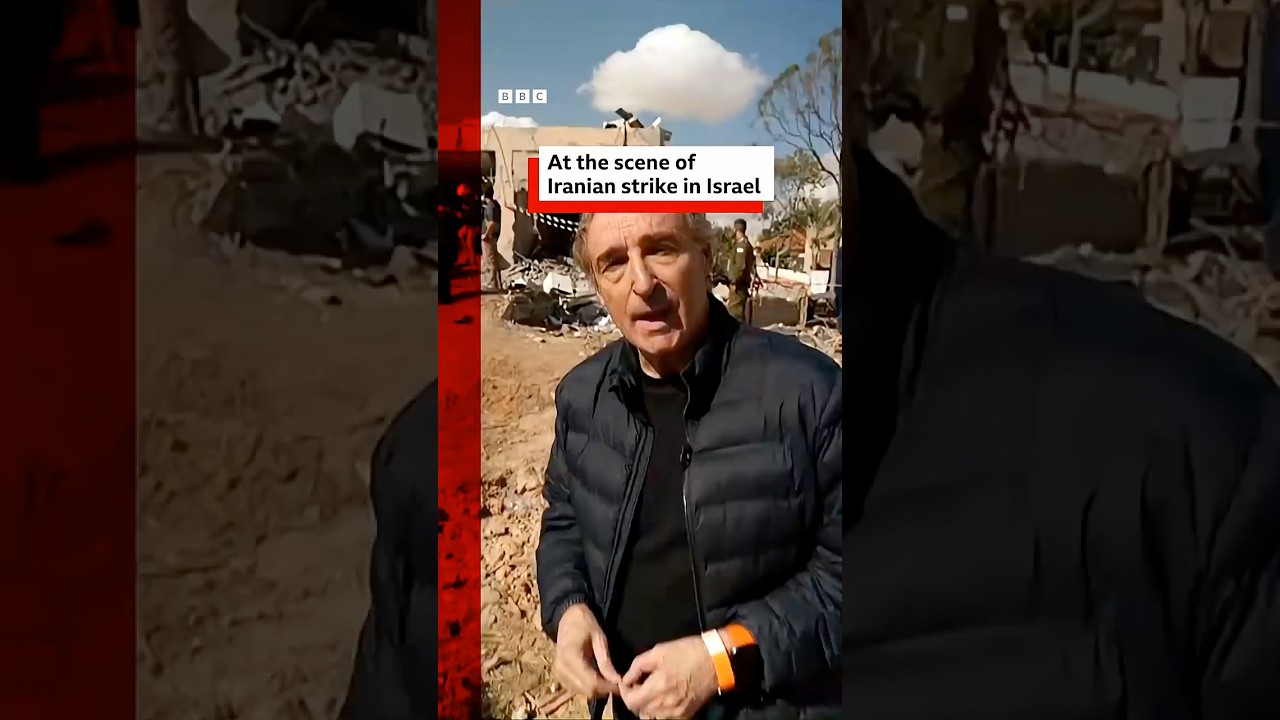
In a stark demonstration of the consequences of modern warfare, the landscape surrounding the Israeli town near Dimona has been irrevocably altered by a recent Iranian missile strike. The crater left behind is not just a physical mark; it serves as a haunting symbol of the ongoing conflict within the region.
The missile, with its 200-meter blast radius, inflicted severe damage on its immediate surroundings. It is impossible to overlook the devastation: buildings that once stood proudly have been stripped bare by the sheer force of the impact. One building nearby lay in ruins, its structure compromised beyond repair, while another, once a vibrant kindergarten, now serves as a grim reminder of the vulnerability of civilian life amid geopolitical strife.
In this scenario, the civilian population bears the brunt of military decisions made far from their homes. The toll is not merely physical but psychological, as fear permeates the daily lives of those who inhabit this affected area. The reality is that while strategic objectives may justify such strikes for military leaders, it is the innocent—families, children, and the elderly—who pay the highest price.
The proximity of the nuclear facility at Dimona has made this area a key target, underscoring the complex interplay between military strategy and civilian safety. The reasons behind the targeting of this location are rooted deeply in the geopolitical narrative that informs the actions of states. For Iran, striking near Dimona sends a message of power and capability. Conversely, for Israel, it reinforces the never-ending cycle of insecurity that shadows its existence.
One cannot ignore the significant number of casualties resulting from this assault, which have further deepened the sorrow and dislocation within the community. The local residents now find themselves grappling with loss and trauma, their healing journey marred by a continuous threat that hangs like a specter over their lives. Such events highlight a fundamental aspect of modern conflict: the often-blurred lines between military objectives and civilian safety.
It is also important to consider the physical remnants of such attacks, which serve as a visual representation of the ongoing threat. The sight of buildings in ruins, coupled with the emotional turmoil of those who live in their vicinity, creates an indelible mark on the collective consciousness of the affected population. Each crack in the concrete and shattered window tells a story of disruption—a life interrupted by the forces of war.
The aftermath of this missile strike has raised significant questions about the long-term strategy for both military action and civilian protection. It places an ethical burden on decision-makers to reconsider the implications of their actions. The effects are not limited to immediate casualties but extend to the long-lasting impacts on community cohesion, mental health, and public trust.
The devastation near Dimona is more than a statistic; it is a vivid reminder that military actions have profound implications on civilian lives. As communities rebuild, they face not only the challenge of physical reconstruction but also the task of mending the deep emotional wounds inflicted by violence. The path to recovery is long and fraught with obstacles, yet it is essential to acknowledge both the visible and invisible scars left by such tragedies.
In conclusion, the missile strike near Dimona offers a crucial insight into the complex dynamics of contemporary warfare. It encapsulates the harsh realities faced by civilians who, often unknowingly, find themselves caught in the crossfire of global disputes. As the world watches, it is imperative to seek solutions that prioritize human life and dignity, compelling all parties to reflect on the true cost of their military actions. The narrative emerging from this devastating event is a plea for compassion amidst chaos—a call to remember that, in the end, it is human lives that hang in the balance.