The Complexities of Global Relations: Trump’s Ultimatum to Iran and the UK’s Response
Recent geopolitical developments illustrate the intricacies of global diplomacy, especially in the context of U.S.-Iran relations. Donald Trump, the former U.S. President, has resurfaced in the political discourse by issuing a stark ultimatum to Iran via Truth Social. He has threatened military action should Iran fail to reopen the Strait of Hormuz, a critical waterway for global oil trade. This is not just a rhetorical flourish; it signals the potential for significant escalation in a region already fraught with tension.
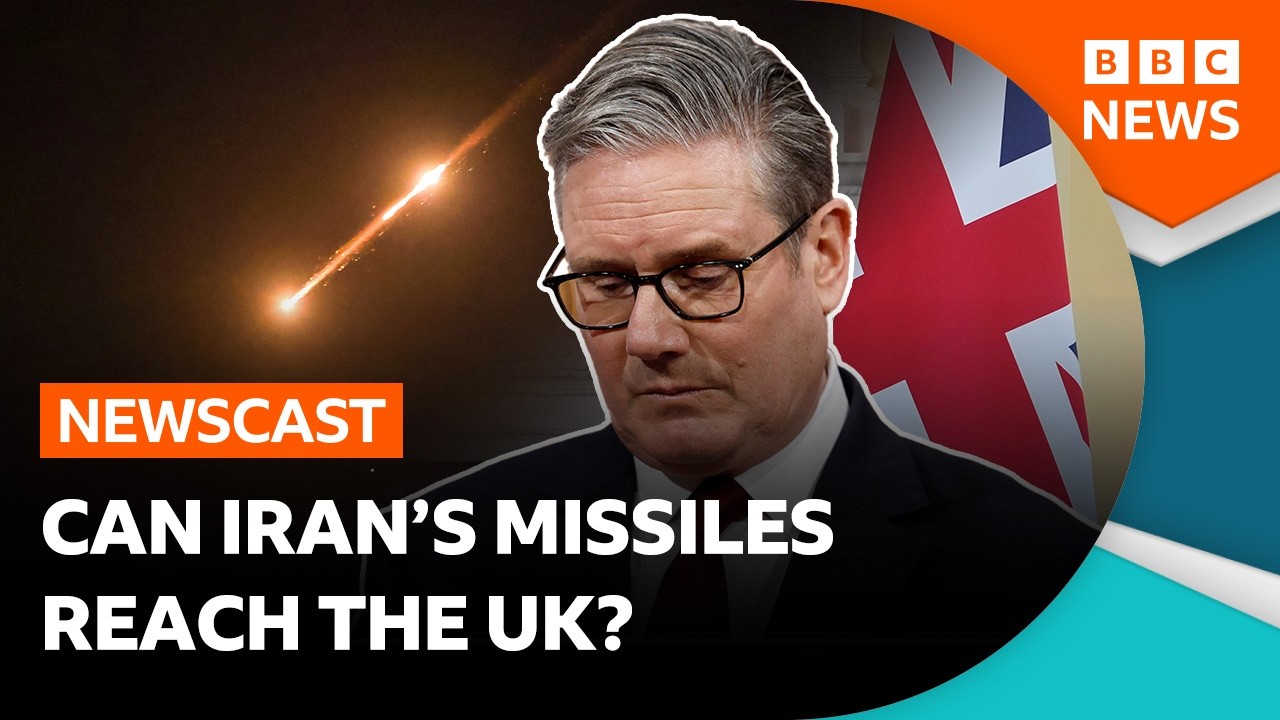
On a related note, the Israeli military recently reported that Iran’s missile capabilities could effectively target major European cities, including London, Paris, and Berlin. Whether or not this claim holds water is a subject for careful discussion, and both the public and political leaders in the UK are grappling with this uncertainty.
During discussions on a recent episode of Newscast, the implications of these threats were analyzed by hosts Laura, Patty, and Henry, highlighting how both Trump’s and Iran’s actions could have far-reaching impacts. Does Trump genuinely intend to follow through with military strikes? Such questions linger in the air, illustrating the unpredictability surrounding not only American foreign policy but also the responses of allied nations.
The UK government seems to be walking a fine line in its response to these developments. Community Secretary Steve Reed publicly stated, “I am not aware of any assessment at all that they are even trying to target Europe,” casting doubt on Israeli claims about Iranian missile capabilities. Yet, his remarks were cautiously worded, lacking absolute certainty and hinting at a hesitance to dismiss the potential for Iranian aggression entirely.
Geopolitical considerations further complicate the UK’s position. With the Strait of Hormuz being essential for oil trade, military movements in the region could lead to shifts in oil prices that impact economies globally. Speculations surrounding Iranian missile capabilities compel the UK government to reassess its own defense strategies. For instance, the distance from Iran to Diego Garcia is approximately 4,000 kilometers, while London is not much farther. The Israeli claims could signify a shift in the previously understood limitations of Iranian military reach.
Moreover, the conversation within the UK government is not just about Iran; it echoes the broader historical context of Iraq and the West’s interventionist policies in the Middle East. Previous mistakes have left a lingering psychological mark on British policymakers, making any military engagement a politically charged issue. Reed’s emphasis on preventing the UK from being “dragged into a war” perhaps indicates the cautious mentality that governs current UK foreign policy.
This careful approach can also be seen in the political arena, where opposition parties like the Liberal Democrats are pressuring for a parliamentary vote on military action. The necessity of public discourse raises questions about the current administration’s strategy. How much autonomy does the UK truly have in shaping responses to the unfolding crisis in Iran?
Former NATO Deputy Supreme Commander Sir Richard Sheriff weighed in on the discourse, categorizing America’s behavior as predatory rather than ally-like. His remarks emphasize a shift in how allied relationships are perceived in a rapidly evolving geopolitical landscape, noting that American actions may undermine collective European security efforts.
As labor leaders and business executives grapple with potential consequences on the cost of living arising from fluctuating oil prices, the multi-faceted nature of this crisis comes into sharper focus. The supermarket chain Iceland’s chairman, Richard Walker, has urged the government to consider a profit cap to prevent exploitation during this crisis.
In essence, Trump’s provocative ultimatum to Iran opens a Pandora’s box of uncertainties for both U.S. and UK policy. The looming threat of military escalation, combined with the potential for economic repercussions, creates a volatile atmosphere that requires diligent navigation by policymakers. As the situation evolves, the hope remains that diplomatic solutions can be prioritized over military options, though the path forward appears riddled with complexities.
In conclusion, the intertwinement of domestic political pressures, historical contexts, and international relations signifies that the U.S.-Iran discourse will have lasting effects—not just in the Middle East but globally, as governments must adapt to an ever-changing landscape of diplomacy and conflict.