The Tragic Misstep: U.S. Airstrike Hits Iranian School
A recent military investigation has brought to light the devastating consequences of an airstrike that targeted a school in Iran, resulting in the tragic deaths of at least 168 children and 14 teachers. Preliminary findings suggest that the U.S. military inadvertently struck the educational facility due to reliance on outdated intelligence concerning a nearby Iranian naval base. This incident, which has drawn international condemnation, raises serious questions about the accuracy and reliability of military intelligence in conflict zones.
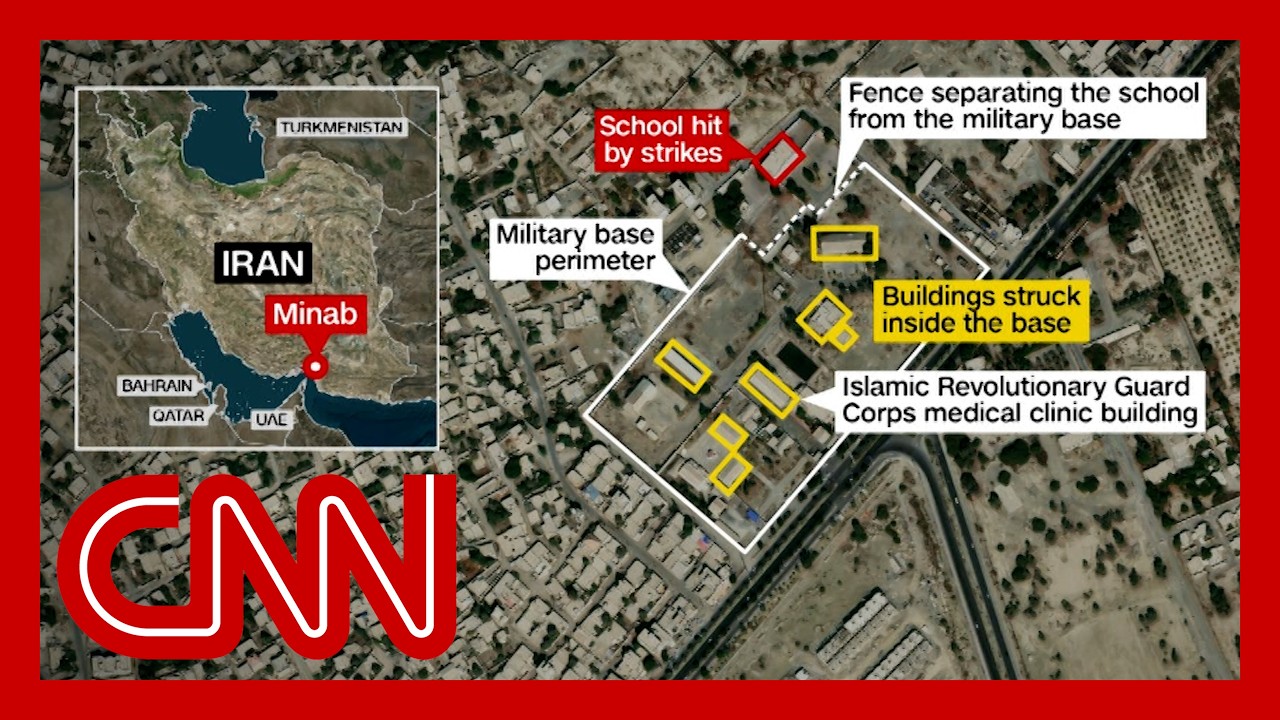
The airstrike took place on February 28, when U.S. forces aimed to target a facility associated with the Islamic Revolutionary Guard Corps (IRGC) in Minab, Iran. According to sources privy to the ongoing investigation, U.S. Central Command utilized outdated data from the Defense Intelligence Agency (DIA) to determine the strike coordinates. A satellite analysis indicated that in 2013, both the school and the military base were part of the same compound. However, a fence was erected three years later, effectively separating the two sites. Despite this significant change, the military continued to act on the intelligence that had not been updated accordingly.
In the following years, imagery captured in December 2025 showed children playing in the school’s courtyard, a clear indicator of the institution’s presence and activities in that area. The DIA has acknowledged an ongoing investigation but remains tight-lipped about further details. As evidence mounts, concerns around the decision-making process that led to such a catastrophic outcome have intensified. Key among these is why military officials failed to cross-reference the outdated intelligence with more recent imagery.
This unfortunate event has not gone unnoticed by lawmakers. A group of Democratic senators has called upon the Department of Defense to provide answers regarding the faulty targeting practices that led to this loss of civilian life. With additional reports indicating that around 180 civilians perished in the attack, it is evident that significant errors were made in the intelligence-gathering process. The ramifications of these mistakes extend far beyond the immediate impact; they raise ethical questions about accountability, transparency, and the protective measures in place for civilians in conflict zones.
The narrative surrounding the incident complicated further when President Biden was questioned about U.S. involvement. He asserted that the attack was carried out by Iran, dismissing the allegations linking the U.S. to the tragedy. His comments, however, were met with skepticism, especially as subsequent reports confirmed that a Tomahawk cruise missile had indeed struck the school. Secretary of Defense Lloyd Austin refrained from confirming the president’s statements, emphasizing instead that an investigation was underway.
Critics of the military’s procedures highlight the implications of utilizing outdated information in active combat scenarios. Andrew McKay, an intelligence committee member, voiced serious concerns during a recent hearing, questioning the effectiveness and oversight mechanisms utilized in target selection. He noted that publicly accessible data clearly identified the school’s existence, raising doubts about the tools and protocols used for targeting decisions.
As investigations continue, the narrowing window for accountability looms large. Finding answers will not only serve to honor the lives lost but also facilitate a deeper understanding of how to prevent such incidents from occurring in the future. Experts argue for the urgent need to leverage advanced technologies, including artificial intelligence, to ensure that intelligence is not just current but precise.
This tragedy reveals systemic issues within the military targeting process that must be addressed. The need for rigorous oversight, updated protocols, and enhanced resources for civilian protection is paramount. As we confront this painful chapter in military history, it prompts a critical dialogue about the responsibilities of governments in armed conflicts and the sanctity of civilian life. A commitment to accountability and reform is essential, and the world watches closely as the U.S. navigates this substantial moral and operational crisis.