Analyzing the Trump-Xi Meeting: Strengthened Bonds or Weakening Ties?
Donald Trump’s recent visit to China has ignited discussions regarding the future of U.S.-China relations. Historically, Trump has been vocal about what he perceives as China’s unfair economic practices. Just prior to his visit, he asserted, “We have been ripped off by China,” a sentiment emblematic of his administration’s aggressive stance. However, during the Beijing meeting with President Xi Jinping, his rhetoric dramatically shifted, signaling a possible thawing of tensions.
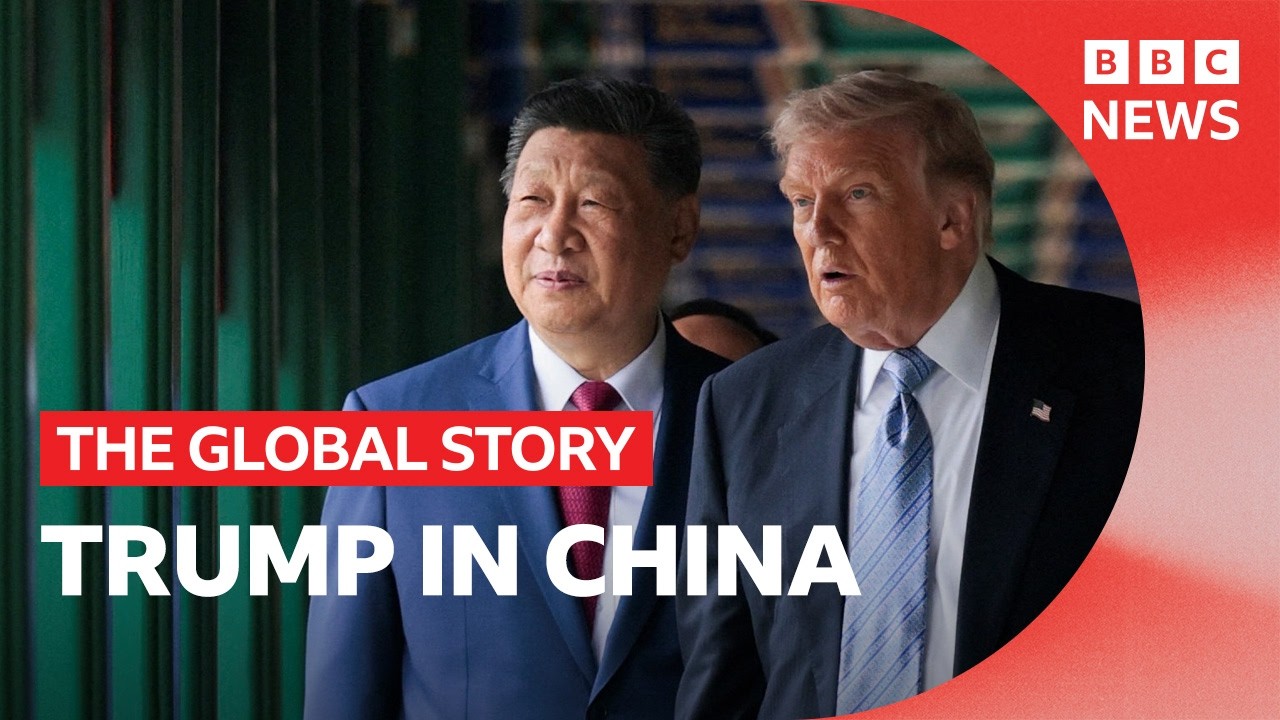
The initial moments of the meeting set a stage of grandeur and diplomacy. A handshake lasting 14 seconds, accompanied by Trump’s gestures of camaraderie, was more than a mere greeting; it symbolized a union between two global powerhouses. Observers noted that the perfect choreography surrounding their meeting aimed to project allyship rather than antagonism. Following formalities, they proceeded to a military parade that underscored the significance of Trump’s visit, featuring a 21-gun salute that was seemingly intended to honor the U.S. President.
However, the tonal disparity between the two leaders was palpable. Xi’s carefully scripted remarks were friendly, yet they lacked the unrestrained enthusiasm of Trump’s unscripted praises. Trump’s approach appeared almost deferential, raising questions about whether he has adjusted his perception of Xi and, by extension, China, treating them as near peers in the global hierarchy.
Analysts have posited that this visit took place against a backdrop of evolving dynamics. When Trump first visited in 2017, China was on a different trajectory compared to now. It is increasingly positioned as a competitor on the world stage rather than a subordinate player. Trump’s engagement suggests an acknowledgment of this reality.
Food also played a symbolic role during the bilateral discussions, with an extravagant banquet featuring dishes ranging from Beijing roast duck to tiramisu—a curious choice that indicates efforts to tailor the menu for Western tastes. Yet, beneath the culinary surface lies a deeper cultural ritual. In China, the etiquette surrounding meals and toasting conveys significant political nuances. The rituals serve as thresholds for building trust and rapport, making it essential for leaders to navigate them with care.
The negotiations themselves, particularly concerning trade, loomed large. Trump’s administration has been involved in a protracted trade struggle with China. Hopes surged for a consensus that would stabilize economic relations. While there were indications that a truce might be holding, many analysts remained skeptical. The question remains whether Trump can secure a tangible, lasting agreement to bring back to the United States, especially with his domestic constituency requiring visible outcomes.
Moreover, the specter of Taiwan continues to color discussions. Xi’s warnings regarding Taiwan during the meeting serve as a stark reminder of the potential flashpoints in U.S.-China relations. This issue remains a fundamentally sensitive topic for China, and how the U.S. navigates it will be pivotal for future interactions.
When considering the post-meeting analysis and the subsequent media portrayal, it seems that Chinese state media emphasized the positive optics of the visit while downplaying any lingering tensions. The narrative pushed by Chinese outlets focused on potential cooperation and stability—critical themes for a nation eager to sustain its economic momentum.
Looking forward, both leaders face unique challenges. Xi is tasked with balancing China’s rise against the backdrop of economic uncertainties, while Trump is seeking to leverage this diplomatic engagement domestically, particularly as he prepares for an electoral campaign.
In summary, while Trump’s visit to China may have fostered a momentary warmth between the two leaders, the essence of U.S.-China relations remains complex and multifaceted. The handshake may symbolize a shared interest in cooperation but does not necessarily herald a lasting bond. As both countries navigate the intricacies of globalization, economics, and regional security, the efficacy of this meeting will ultimately be judged by concrete outcomes rather than mere gestures. The next chapters in this bilateral narrative will depend on the leaders’ ability to translate dialogue into actionable policies that can address both nations’ aspirations and fears.