California’s Primary Election: A Political Quagmire Awaits
California, home to approximately 40 million residents, has made a name for itself as a significant player on the global economic stage. If it were a standalone country, it would rank as the fourth-largest economy in the world, surpassing even the United Kingdom. As the state heads toward its primary election in June, the atmosphere is electric, yet fraught with complications and uncertainties surrounding the candidates vying for the governorship.
Historically, California has been a breeding ground for political heavyweights. However, the current electoral landscape resembles a chaotic stage filled with lesser-known figures rather than celebrated leaders. Prominent names like Kamala Harris, the former senator and 2024 Democratic nominee, and Alex Padilla, the current senator from California, have opted not to enter the race. This absence has left voters with a less than inspiring group of candidates who all exhibit both strengths and notable weaknesses.
Democratic Congresswoman Katie Porter once emerged as a rising star but has faced scrutiny due to allegations concerning her treatment of staff, damaging her reputation as a viable candidate. Similarly, Eric Swalwell, another congressman, once touted as a frontrunner, had to withdraw from the race following allegations of sexual impropriety. The vacuum left by these departures has resulted in a fragmented field of candidates, each jostling for position without a clear leader emerging.
California employs a "jungle primary" system, which complicates matters further. In this format, all candidates, regardless of party affiliation, compete in a single primary election. The top two candidates advance to the general election in November. This creates a scenario where it is entirely possible for two Democrats or two Republicans to face off against each other, thus diminishing the traditional party alignment that many voters rely upon.
As the primary date approaches, it’s astonishing to observe the dearth of charismatic candidates willing to take on the complexities of California governance. The state is often likened to a large, unruly troop of chimpanzees, all clamoring for attention while failing to project the strength and authority needed to govern effectively.
Democratic governance in California has become increasingly difficult, particularly as the state grapples with pressing issues such as rising crime rates, an escalating homelessness crisis, and a soaring cost of living. The implications of these challenges resonate deeply among voters. Many Californians, even those usually loyal to the Democratic Party, are contemplating a move to states with lower taxes and more affordable living conditions.
In this political environment, some Republican candidates, led by figures like Steve Hilton—a media personality with past ties to British politics—are beginning to gain traction. Despite being an unconventional candidate, Hilton’s rising popularity among California voters underscores a growing frustration with the current state of governance. Endorsed by Donald Trump, he embodies a shift within the Republican Party that prioritizes populism over traditional conservatism, making him one to watch as the election unfolds.
Another candidate worth noting is Tom Steyer, a billionaire known primarily for his environmental activism. Despite his considerable wealth, Steyer has faced skepticism regarding his ability to cultivate genuine connections with voters, often perceived as “milk toast” in personality and approach.
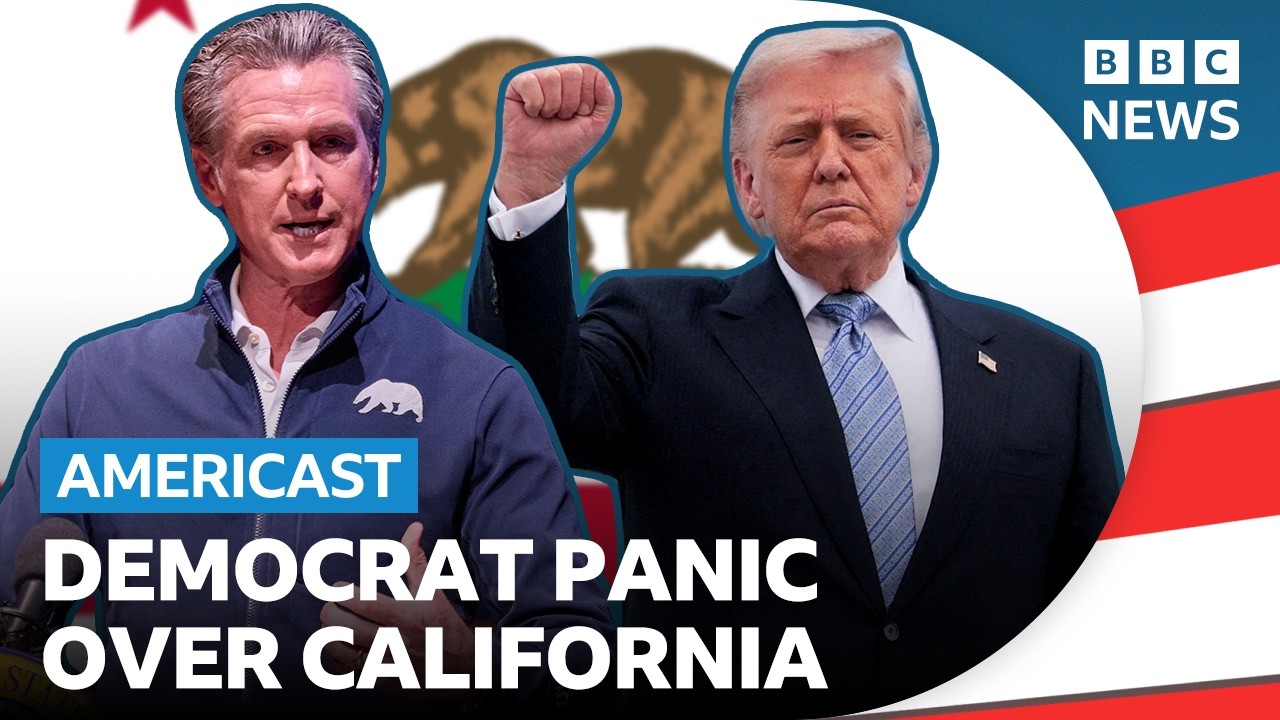
In the background looms Governor Gavin Newsom, who is unable to run due to term limits but still holds significant influence. The specter of his recent tenure weighs heavily in the electoral race, giving potential candidates pause as they consider how to navigate the political landscape shaped by his policies and decisions.
As the primary election draws nearer, it remains to be seen who will emerge victorious. The challenges of California cannot be ignored—issues of inequity, affordability, and governance are front and center in the minds of voters. Although no candidate may currently epitomize the transformative leadership the state desperately needs, the potential for a breakout figure cannot be dismissed entirely.
With political winds swirling unpredictably, one thing is clear: California’s primary is set to be a dramatic showdown that could redefine the state’s political future. As candidates vie for attention, they must address not only their platforms but also the pressing concerns of Californians eager for change.