Understanding the Nuances of State Visits: Trump vs. Obama in China
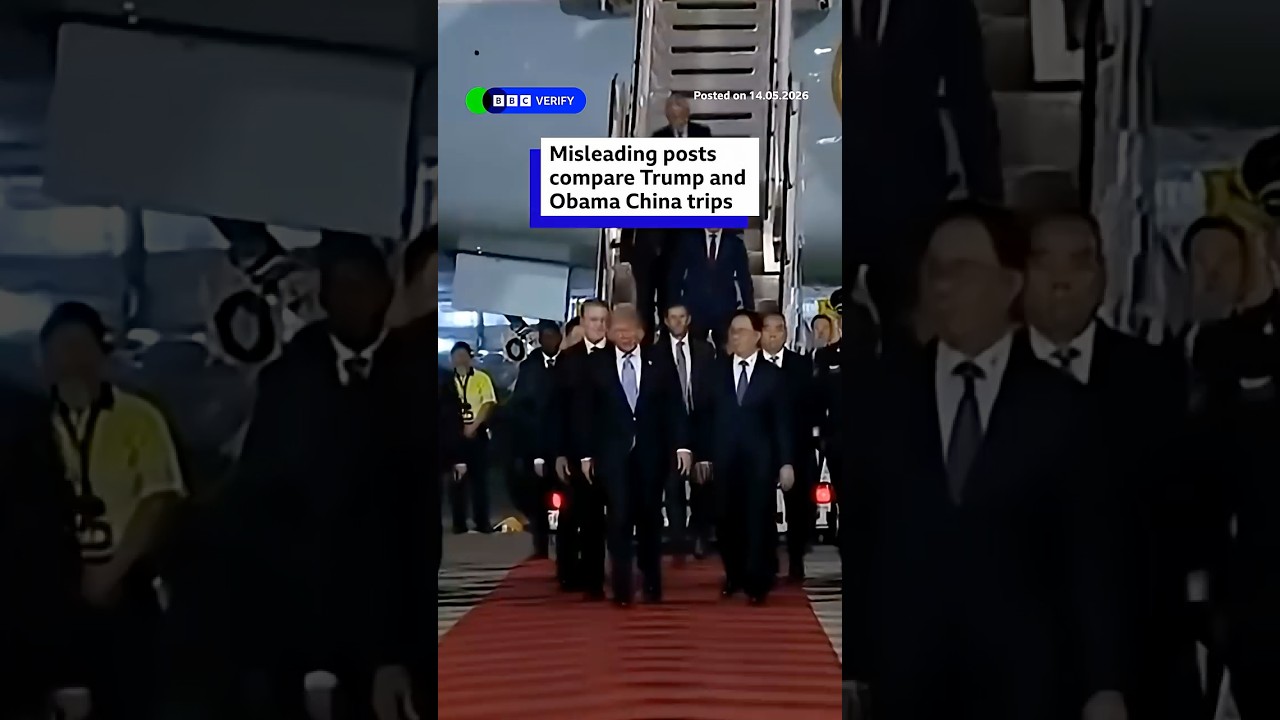
In recent discussions surrounding state visits, a sharp contrast has emerged in the online discourse regarding the receptions afforded to former U.S. Presidents Donald Trump and Barack Obama during their respective visits to China. Viral posts claim that Trump received a red-carpet hero’s welcome, whereas Obama was not afforded the same courtesy. However, this oversimplification ignores the context and ceremonial norms that define state visits and events such as the G20 summit.
To understand these differences clearly, it is important to delineate the nature of each visit. Donald Trump’s trip to China in November 2017 was officially designated as a state visit, a type of diplomatic engagement that traditionally includes numerous formalities, grand gestures, and a carefully orchestrated welcoming ceremony. Upon arrival, Trump was greeted with a red carpet, a guard of honor, and exited Air Force One from its main door—symbols of high diplomatic recognition.
In contrast, Barack Obama’s visit to China in 2009 was similarly a state visit, characterized by comparable pomp and ceremony. He, too, experienced the red-carpet treatment, disembarking from Air Force One via the main door. The viral videos causing the current uproar stem from a misunderstanding, as they actually depict Obama’s arrival at the G20 summit in Hangzhou in 2016. This event was markedly different from a state visit, as G20 summits involve multiple world leaders and do not customarily include the same level of ceremonial welcome as state visits.
The key word here is "context." State visits are designed to strengthen diplomatic ties, often accompanied by bilateral meetings, cultural exchanges, and extensive media coverage. They are meticulously planned to showcase the host nation’s respect for the visiting leader. The ceremonies involved emphasize the significance of the countries’ mutual interests at that time, allowing both leaders to present a united front on various global issues.
On the other hand, G20 summits are more informal by nature. They serve as a platform for dialogue among multiple leaders rather than a formal bilateral engagement. During such gatherings, the focus typically shifts from ceremonial displays to discussions on pressing global challenges such as economic stability, climate change, and security. Thus, the reception style reflects the event’s purpose rather than the respect afforded to the leaders involved.
Moreover, media interpretation plays a crucial role in how these events are perceived. The present-day digital landscape allows for rapid dissemination of information, often with little context. Social media, in particular, thrives on sensationalism, allowing posts to gain traction without adequate examination of the facts. This can lead to misconceptions, as seen in the case of the contrasting receptions of Trump and Obama.
It is also critical to recognize that relationships between nations can shift dramatically over time, influencing how leaders are welcomed. When Obama visited China in 2009, the U.S.-China relations were comparatively cordial, marked by optimism. By the time Trump arrived in 2017, the context had changed, and the geopolitical landscape was fraught with challenges. This evolving relationship can also impact how each leader is received.
In conclusion, the comparisons made between Donald Trump’s and Barack Obama’s visits to China cannot be understood purely by visual presentations of red carpets or ceremonial welcomes. Each event has its own specific context, determined by diplomatic norms, the nature of the visit, and the surrounding geopolitical environment. Disentangling fact from fiction is essential for fostering a more informed and nuanced understanding of international relations. Such discussions not only bolster awareness but also promote a more respectful discourse regarding leaders and their engagements on the global stage.