Navigating the Diplomatic Landscape: The Complex Meeting of Trump and Xi in China
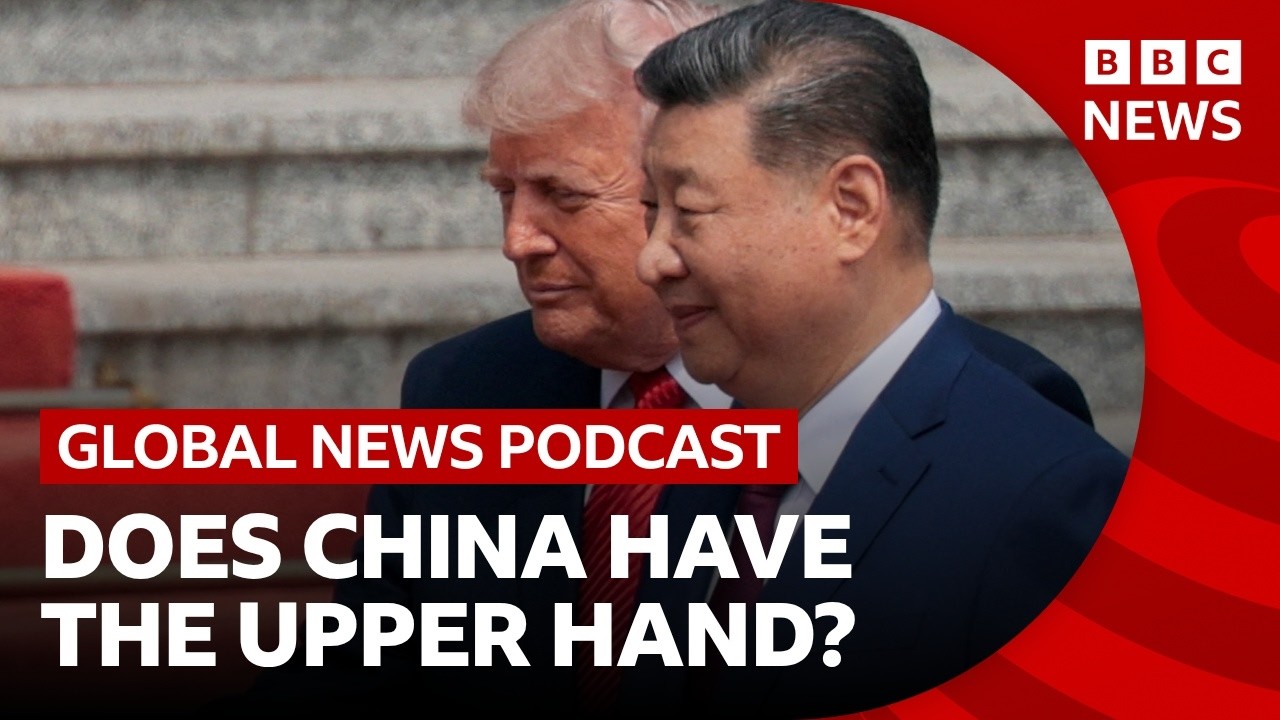
The recent visit of former U.S. President Donald Trump to China marked a significant moment in the ongoing relationship between the two superpowers. Our discussion, led by BBC’s Anra Desai and China analyst Celia Hatton, delves deep into the contrasting tones and strategies employed by Trump and Chinese President Xi Jinping during this pivotal encounter.
From the outset, it was clear that both leaders approached their speeches with distinct styles. Trump’s speeches were filled with off-the-cuff remarks, extolling his "great relationship" with Xi and emphasizing the camaraderie they were purportedly building. He indulged in positive rhetoric about the potential for collaboration and mutual growth, framing the upcoming state banquet as a cherished opportunity for dialogue. This spontaneous approach stood in sharp contrast to Xi’s meticulously crafted speeches that, while positive in tone, bore a subtly defensive undertone.
Xi has long sought to assert China’s status as an equal partner on the global stage. His carefully chosen words highlighted the notion that the United States and China, as superpowers, must navigate a path toward mutual respect and cooperation—not dominance. Xi’s emphasis on the "Chinese Dream," a concept that encapsulates his vision for national rejuvenation, was consistent with his goal to position China not merely as a developing nation but as a formidable global player. Yet, within his comments, there lay an implicit warning: the specter of conflict remains ever-present if the relationship falters.
This dynamic raises critical questions about the strategic intent behind both leaders’ public personas. Is Trump’s exuberant diplomacy a calculated move to soften the historical tensions? Conversely, is Xi’s careful approach designed to project strength while simultaneously asserting parity? Hatton posits that Xi understands the significance of his audience, particularly given the visibility of the visit on Chinese state media. The framing of both leaders as equals serves to bolster domestic perception and reassure his constituency of China’s robust global standing.
While Trump’s approach may appear amiable, it is essential to note that his administration has grappled with the consequences of its trade policies, particularly the tariff war launched against China. Initial optimism gave way to complications, highlighting a more tumultuous path. Trump might’ve envisioned that engaging China would result in favorable terms, yet the reality proved more complex. China adeptly managed the trade conflict, refraining from immediate concessions that might have undermined its bargaining power.
The discussion also touches upon China’s evolving diplomatic relations, notably with powers like Russia and Iran. Xi’s strengthening ties with these nations, particularly through high-profile visits, underscore China’s strategic recalibration within the global context. With President Putin announcing his impending visit to Beijing just as Trump and Xi were engaged in discussions, it becomes evident that Xi is keen to reinforce alliances that may serve China’s interests while simultaneously positioning itself favorably against U.S. policies.
Moreover, the ongoing conflicts in the Middle East have not gone unnoticed in Beijing. While China faces economic hurdles and pressing domestic issues, it also observes the shifting dynamics of military strategy played out in the region. The U.S. has diverted resources toward the Middle East, potentially offering China an opportunity to reassert its influence within the Asia-Pacific.
However, it is prudent to examine the broader implications of China’s economic stability. The country faces long-term challenges, including an aging population that may strain its workforce and fiscal system. The reliance on exports and global consumer spending poses risks, particularly in volatile geopolitical climates. Xi’s long-term planning, structured around five-year periods, may allow for strategic resilience, yet these economic realities necessitate fostering cooperation and managing relations with the U.S.
Looking ahead, the relationship between Trump and Xi will continue to evolve. The potential for future dialogues will undoubtedly depend on both leaders’ ability to navigate their domestic and international challenges. Xi’s recent extension of terms may further complicate the landscape, raising questions about his readiness to introduce new leadership or continue consolidating power.
In conclusion, the Trump-Xi meeting in China epitomizes the delicate balancing act both leaders must perform on the world stage. As they navigate a complex web of diplomacy, their words and actions will have far-reaching consequences for global stability. Understanding these dynamics is crucial, paving the way for a more informed discourse around one of the most significant bilateral relationships of our time.