Title: The Makerfield By-Election: A Signpost for British Politics
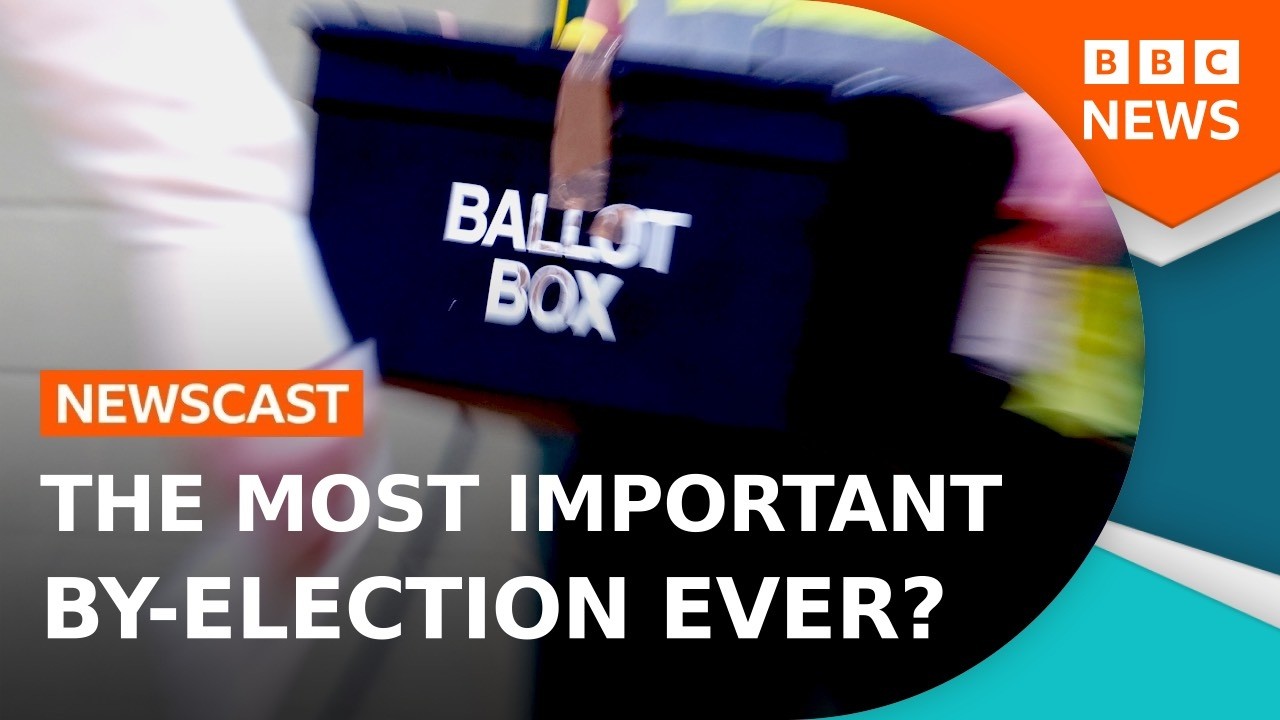
As the political landscape in the UK shifts, the upcoming Makerfield by-election is shaping up to be a pivotal event. Dubbed "By-election Cast," a new mini-series launched in the wake of the successful "Election Cast," delves into the intricacies of this crucial political race. The recent withdrawal of Chris Kennedy, a Green Party candidate embroiled in controversy, has added yet another dimension to an already complex electoral battle.
A Crucial Turning Point
Luke Tryl, director of More in Common, is bold in his assertion that this is the most significant by-election in British politics in half a century. Such claims may seem hyperbolic, yet they are underpinned by the unique circumstances surrounding Makerfield. Often, by-elections are viewed through the lens of local concerns, but this race involves variables that extend far beyond the immediate geographical area. It’s a litmus test for broader national trends, particularly concerning Labour’s standing in traditional strongholds.
The stakes are especially high for Labour, represented by Andy Burnham. As the mayor of Greater Manchester, Burnham has established himself as a formidable political figure, often seen as a potential Labour leader in waiting. If he can solidify his standing in Makerfield—historically Labour territory—it could reshape perceptions leading up to the next general election. Conversely, a loss would embolden the Reform UK party, which has made significant inroads in former Labour-dominated areas.
A Diverse Constituency
The Makerfield constituency presents a rich tapestry of political and social dynamics. According to Kevin Fitzpatrick, a political reporter for BBC Radio Manchester, it is an area characterized by a mix of affluence and deprivation. The constituency’s diverse demographic complicates traditional assumptions about voting patterns. The Labour Party has long maintained a hold on this region, but recent elections show signs of change. Notably, Reform UK’s better-than-expected performance suggests that voter sentiment is shifting, potentially heralding a realignment of political loyalties.
As the electoral campaigns ramp up, it’s apparent that the issues at play go beyond local concerns. The fallout from Brexit continues to echo in the political decisions of constituents. Many in Makerfield voted to leave the European Union, and the decisions made in Westminster around EU policies are likely to influence local sentiments. This is not merely a battle for votes; it’s a reflection of deeper societal issues, such as feelings of neglect and the perception that major political parties have overlooked the needs of constituents.
The Candidates and Their Strategies
Amidst this backdrop, the candidates vying for the Makerfield seat each bring their own narratives and strategies into the fray. Andy Burnham is positioning himself as not just a local candidate but also a champion for the north of England. His tenure as mayor has given him a platform, advantageously aligning local issues with broader regional narratives that resonate with voters.
On the other side of the political spectrum, Robert Kenyon of Reform UK is embracing a more grassroots approach. His identity as a plumber and local businessman allows him to project relatability, appealing to a demographic that may feel alienated by conventional politics. The contrast between Burnham and Kenyon underscores a broader cultural shift within British politics, where personal stories often wield more influence than party loyalty.
The Role of Minor Parties
Minor parties also hope to make their presence felt in this electoral contest. The Green Party’s focus on environmental issues, despite the recent controversy surrounding Kennedy, promises to attract environmentally conscious voters, while Restore Britain, led by Rebecca Shepherd, aims to carve out a niche among those disillusioned with the major parties.
The ongoing candidacies underline a political climate ripe for transformation. Both Labour and Reform UK are aware that the results in Makerfield will not only influence their immediate standings but may well signal the future trajectory of national politics.
Conclusion: Why This Election Matters
Ultimately, the Makerfield by-election is set to be more than just a local contest; it embodies the evolving nature of British politics. This microcosm of national sentiment will not only reveal voters’ stances on specific issues but also their broader feelings regarding representation and identity. As the candidates compete for votes in this diverse constituency, the implications of their campaigns will echo far beyond the ballot box.
In the weeks leading up to the election, the "By-election Cast" series will continue to explore these themes, offering insights into a political climate that is increasingly complex and dynamic. The Makerfield by-election may well serve as an invaluable indicator, shaping conversations around the future of British governance and civic engagement.