Understanding the Dynamics of Putin and Xi’s Relationship
As global diplomacy shifts, the ties between Russian President Vladimir Putin and Chinese President Xi Jinping exemplify a complex yet strategic partnership that has garnered significant attention. Their relationship, characterized by numerous meetings and mutual endorsements, has evolved into a formidable alliance amid shifting geopolitical sands.
The Foundation of Their Bond
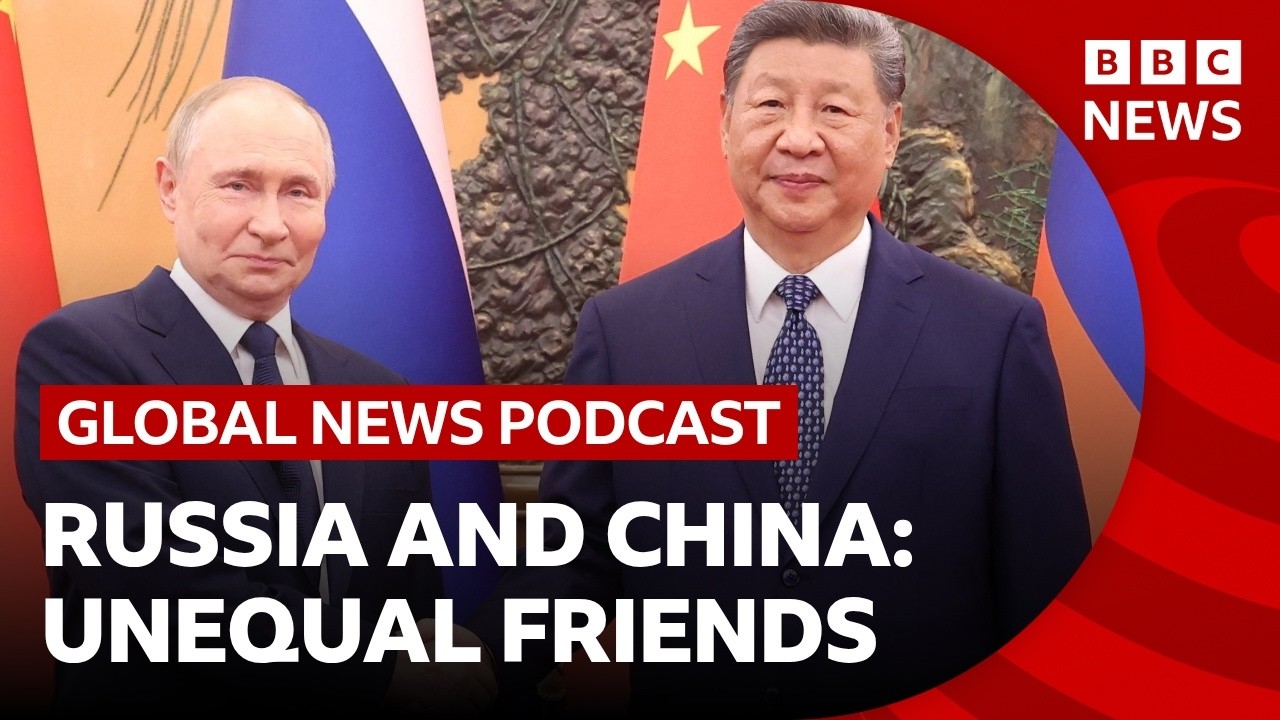
Putin and Xi have met over 40 times, describing each other with terms that convey a sense of familiarity. In a recent visit to Beijing, Putin referred to Xi as "my dear friend," while Xi reciprocated the sentiment, calling Putin "my old friend." This friendliness is notable, especially considering the backdrop of both leaders’ challenges against Western hegemony. It reflects a shared worldview in which they perceive themselves as counterweights to the influence of the United States, positioning their nations as partners in an evolving global landscape.
A vivid illustration of their camaraderie was seen in past interactions, such as when they notably cooked pancakes together, signifying a light-hearted element to their discussions. More profoundly, they share a substantial geographical and economic connection, which acts as a foundation for their alliance. Between them lies one of the world’s longest borders, accentuating the necessity for collaboration.
The Shift in Power Dynamics
However, despite this facade of partnership, the realities of their relationship tell a different story. Over the years, the balance of power between the two nations has tilted, particularly in the wake of Russia’s geopolitical moves, including its full-scale invasion of Ukraine in 2022. The wave of international sanctions that followed has rendered Russia increasingly reliant on China. Today, an astonishing quarter of Russia’s exports are directed toward China, underscoring this dependency.
China’s purchase of Russian fossil fuels amounts to over $360 billion since the invasion, establishing an economic lifeline crucial for Moscow in a landscape where traditional markets have largely closed. This stark economic embrace raises questions about the nature of their partnership. Is it equal, or is Russia merely a junior partner to a more powerful China?
The Purpose of Putin’s Visit to China
Putin’s recent visit to China marks the 25th anniversary of a friendship agreement signed under his leadership. Yet this milestone serves more than ceremonial purposes. It reflects an urgency on Russia’s part to reaffirm ties in an era when global alliances are tested.
Putin aims to showcase himself alongside Xi, a calculated move to reaffirm his status on the world stage, particularly as a counterbalance to the United States. The optics of their meeting, characterized by the visible bond they project, will serve as a backdrop to several agreements likely to be reached, particularly concerning energy infrastructure. One potential highlight is the continuation of discussions around the Power of Siberia 2 gas pipeline, which aims to enhance energy exports from Russia to China.
Navigating Complex Geopolitical Terrain
The relationship between Russia and China is also shaped by their respective strategies toward other global powers, particularly the U.S. Both nations challenge American dominance, but their approaches diverge significantly when it comes to engagement with Europe, the Middle East, and each other. Putin’s confrontational stance towards Europe clashes with Xi’s vision of collaboration with European nations, revealing an underlying tension within their alliance.
As Putin engages with Xi, the focus will likely be on more than just bilateral issues. The leaders are expected to discuss crucial topics such as the situation in Ukraine and broader Middle Eastern dynamics, highlighting the intricate nature of their cooperation and the need for a coordinated stance on global issues.
Looking Ahead
As both nations navigate their complex relationship, observers will closely monitor the outcomes of Putin’s visit. Key points of interest will include the formalization of energy deals, the optics surrounding their meetings, and the potential for collective strategies in international diplomacy. While this alliance presents a formidable front against Western powers, the nuances of dependency and varying geopolitical interests underscore the intricate dance of their cooperation.
In the shifting landscape of global politics, the friendship between Putin and Xi serves as a significant case study in both the possibilities and limits of international partnerships shaped by shared interests and economic necessity. As they move forward, the implications of their dynamic will reverberate across the globe, signaling the need for a nuanced understanding of alliances in the 21st century.