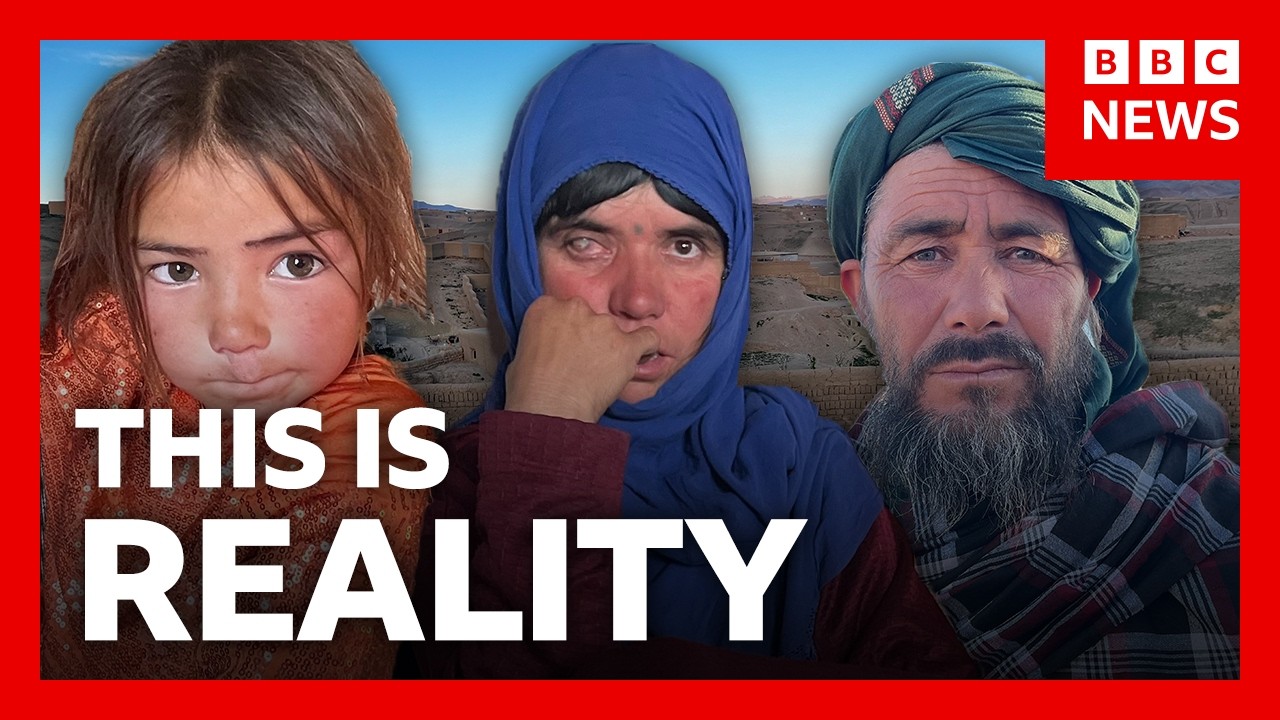
The Dire Reality of Afghanistan’s Hunger Crisis
In central Afghanistan, men and boys cluster in the local square, desperate for work. This scene has become all too familiar as countless individuals scour for daily labor, propelled by sheer necessity. Young Zahul Lahak, just 16, walked two days from his village to join the throng. For Muhammad Gul, it’s been six long weeks without a job. The air is thick with desperation; dignified faces crumple as hunger gnaws at their children’s bellies.
In this region, the statistics are sobering. Three out of four Afghans can no longer meet their basic needs. Economic collapse, international aid cuts, and natural disasters have coalesced into one of the worst hunger crises the world has ever seen. The ramifications are evident in every home and every plaza, and they manifest tragically in children who are too often left uncounted, their lives extinguished in silence.
As our team traveled through the region, we found ourselves at the community graveyard. The sight was haunting: 130 small graves, nearly twice as many as those for adults. Here, the names of children who perished from malnutrition are etched into the earth, a grim testament to an invisible tragedy.
Abdul Rashid Azimi, a father of four, shared his heart-wrenching dilemma: "I’m ready to sell my daughters," he confessed. Burdened by debt and devoid of work, his children’s hunger breaks his spirit daily. Each time they ask for bread, he feels a weight heavier than stone. He is not alone; selling daughters seems an unfathomable choice and yet, for many, it is the sole option.
Culturally, boys are prioritized as breadwinners, particularly under the restrictive policies of the Taliban government, which has exacerbated the plight of women and girls. Consequently, desperate families often resort to selling their daughters for marriages that occur far too young, as in the case of five-year-old Shika, whose father agreed to part with her for money that would keep his household afloat.
These heart-wrenching choices illustrate a broader systemic failure. Several years ago, communities were beneficiaries of food aid. Yet as funding dried up, they were left to fend for themselves. With no aid from NGOs or government support, families voice their frustrations: "We’ve had help from no one." They are a population on the brink, struggling to navigate a landscape that has become increasingly hostile.
Medical facilities, too, reveal the harsh reality. At the overcrowded Cole Provincial Hospital, children arrive daily, often with ailments exacerbated by hunger. Nurses and doctors are overwhelmed. "The best hospitals would struggle to manage this load," one physician remarked. The severity of the situation mirrors the societal collapse surrounding them. Newborns with congenital defects and other life-threatening conditions are left untreated due to a lack of resources.
As we observed the ward, one tragic story followed another. A baby girl born at seven months weighed just one kilo and needed immediate intervention. Her grandmother, Gulbadan, watched helplessly as medical staff did everything they could. Tragically, such attempts are often in vain. Daily, hospital staff witness the heartbreaking loss of life. "At first, it was hard to see children die. Now, it’s become normal for us," lamented nurse Fatima Husini.
Families, riddled with despair, make impossible choices. When Abdul Malik spoke of his one-year-old daughter’s preventable death, he revealed the true depth of their suffering. Without food or medicine, parents become powerless guardians to their ailing children. The anguish is palpable.
Afghanistan stands at a precipice, where societal collapse intertwines with abject poverty and a hunger crisis that defies resolution. As children continue to suffer in silence, their lives often reduced to mere statistics, the world watches with growing concern.
Shunned from the international community and left without resources, these Afghan families face a grim reality. The survival of future generations hangs precariously in the balance. A moment of reflection is necessary—not only to acknowledge their plight but to act in whatever way possible before even more lives are lost to this horrifying Armageddon of hunger and neglect.