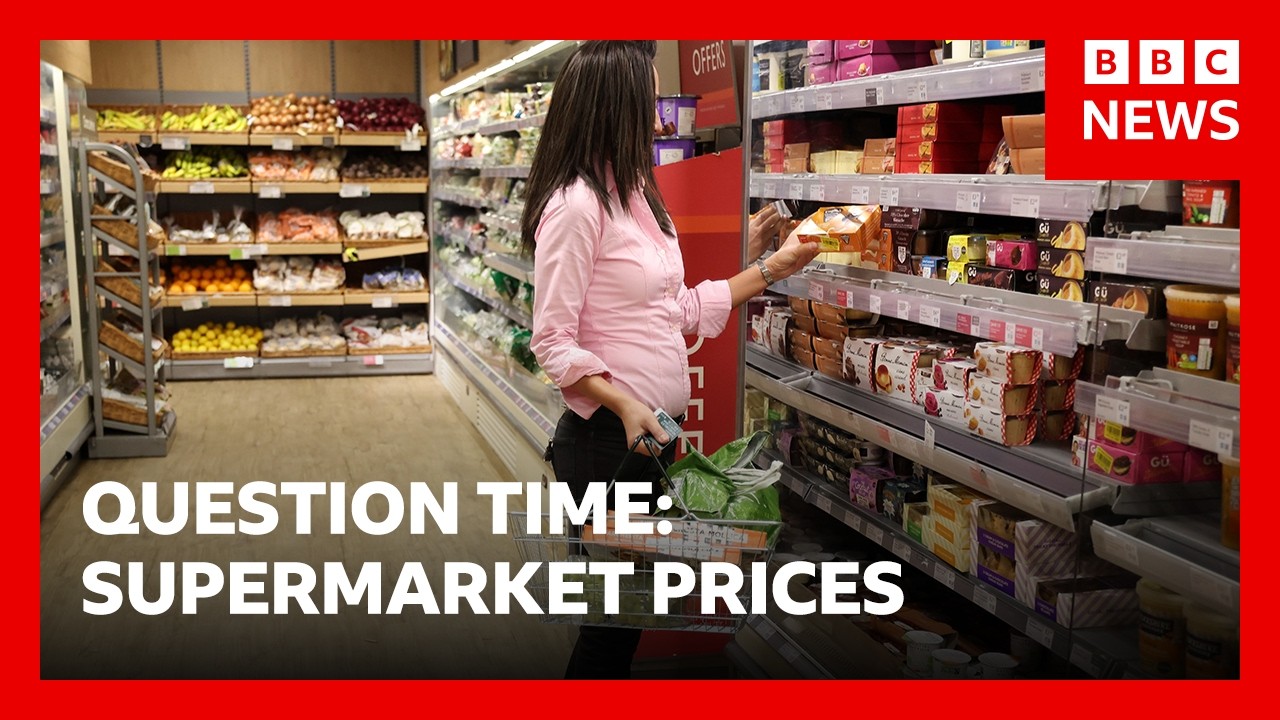
The Complexities of Implementing a Price Cap on Food: Navigating the Fine Line Between Affordability and Sustainability
In the ongoing discussion around food poverty and the rising cost of living, the proposition of implementing a price cap on food has surfaced as a potential solution. Advocates argue that this measure could alleviate the burdens faced by vulnerable populations, particularly those who struggle with food insecurity. However, others question its practicality, fearing it could negatively impact farmers and other producers.
The debate began with the Scottish National Party (SNP) advocating for a mandatory price cap, designed to stabilize costs for essential food items. Proponents argue that rising prices have forced many individuals to rely on food banks or skip meals altogether, particularly children. They contend that in a nation as affluent as Scotland, no child should go to school on an empty stomach. The urgency of the situation is palpable; hunger is not just an individual failing but a collective responsibility.
Yet, implementing a price cap isn’t merely a matter of setting limits at the checkout. The complexities involved raise critical questions. Who bears the burden of the price differential? As discussions evolved, various stakeholders—including farmers, food retailers, and the government—expressed concern about how a cap would affect the entire supply chain. If a staple like bread were to be sold for a capped price lower than the production cost, would farmers absorb the loss, or would supermarkets? Retailers, especially large chains, might find room to adjust their profit margins. However, small farmers—often caught in the crossfire of fluctuating costs—could struggle to remain viable under such constraints.
Critics of the proposal, including representatives from the opposition, argue that the SNP’s plan is flawed, describing it as a "gimmick" rather than a serious solution. Historical precedents from other countries that implemented price controls show mixed results, often leading to food shortages and unintended consequences. The concern is not just about food prices but the systemic issues that contribute to rising costs, such as taxation and regulatory burdens that impact farmers and businesses alike.
Admittedly, the dialogue between producers and policymakers is essential. Many farmers and fishers are anxious about how a price cap could stifle their ability to operate sustainably. They urge the government to consider their perspectives and ensure that farmers are not left to bear the financial consequences of such a policy. Conversations should center on maintaining the delicate balance between providing affordable food and ensuring that those who produce it can continue to thrive.
While discussions may seem polarized, the underlying sentiment remains aligned: the need to support vulnerable communities must be a primary focus. To this end, a comprehensive strategy should consider not only controlling food prices but also addressing the root causes of poverty. Measures could include targeted tax reductions, subsidies for farming sectors, or investments in programs that foster job creation and enhance economic opportunities.
Furthermore, the focus shouldn’t solely be on retail outlets or large supermarket chains. While they are often the most visible players in the food supply chain, local farmers and producers contribute vastly to community resilience. Bridging the gap between retailers and local food producers could foster a more equitable and sustainable food system.
Ultimately, this is a moment for thoughtful leadership. The cost of living crisis is pressing; however, adopting simplistic measures without regard to their broader implications could do more harm than good. The goal should be a multifaceted approach that addresses the immediate needs of the public while ensuring the long-term viability of the agricultural sector.
As we contemplate the future of food affordability in Scotland, it’s imperative to keep the conversation open and informed. Striking an appropriate balance will require collaboration among government officials, retailers, producers, and communities. A cooperative approach could reveal innovative solutions that honor the complexities of our food systems while ensuring no one is left behind. After all, the dignity of having enough to eat should transcend political divides, prompting us to work together for the welfare of all.