The Troubling Case of Nadine Buzzard Kashi: Police Misconduct or Procedure?
In September 2021, the case of Nadine Buzzard Kashi, a business director from London, brought to light significant concerns regarding police conduct in Northamptonshire. Nadine, who suffers from severe mental health issues, had been reported missing by her family when her encounter with law enforcement took a distressing turn.
A bodycam video, central to the incident, captured the chaotic events that unfolded. Initially, an officer located Nadine and checked on her well-being, but what followed was a troubling sequence of actions that raises questions about police protocols and their treatment of vulnerable individuals.
As the situation escalated, officers deployed a stinger—metal spikes designed to puncture tires—to stop Nadine’s vehicle. Instead of using blue lights to signal her to stop, the officers resorted to this aggressive tactic. Addressed by the police, she expressed her frustration: "What are you all here for? Because there is a concern for your welfare." The response from law enforcement was dismissive, escalating her anxiety.
Nadine, feeling increasingly cornered, voiced her concerns, highlighting that the actions of the officers were obstructive rather than protective: "The more that they did to obstruct me from getting back home, the more I realized that I was in trouble and that something was really wrong." Her intuition about the situation was keen; she suspected that the officers were interested in a particular piece of evidence she possessed—a CCTV recording of a prior alleged wrongful detention by the Metropolitan Police.
This recording, which includes unedited footage of her during a previous custody visit, could potentially undermine public trust in law enforcement if revealed. "What are you thinking about the police’s motives here?" she questioned, asserting that the urgency displayed by law enforcement suggested a desire to seize the incriminating footage.
Networked communications between the Northamptonshire force and their counterparts in London exacerbated the urgency of Nadine’s apprehension. With officers regularly discussing her case, the narrative suggests a troubling interplay between forces, one that seems to prioritize bureaucratic interests over the well-being of a vulnerable individual.
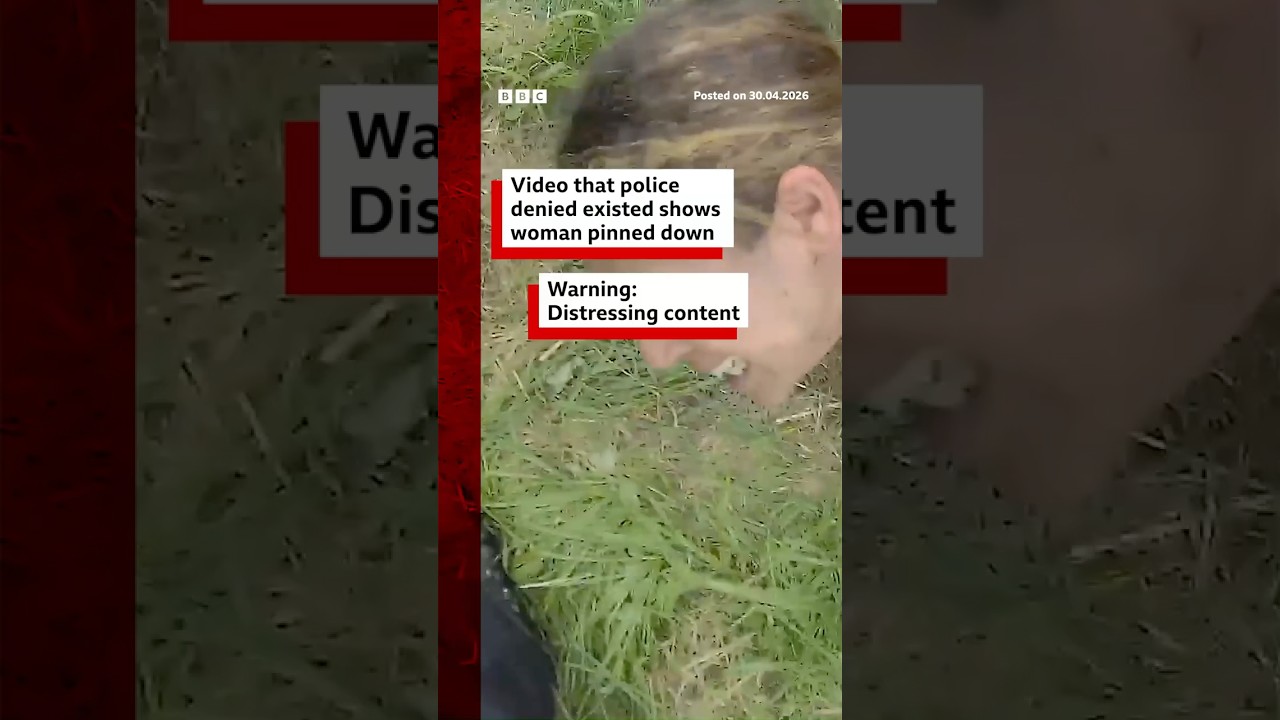
Nadine was eventually arrested, charged with failing to stop. The arrest itself was physically distressing; she was reportedly pushed into stinging nettles during the handcuffing process. Despite the aggressive tactics employed, her charges were ultimately dropped. Yet, the saga did not end there. Upon receiving her belongings post-arrest, she discovered the crucial CCTV footage was missing—a loss she deemed suspicious.
This incident has led Nadine to pursue a seven-figure damages lawsuit against both the Metropolitan and Northamptonshire Police forces, alleging misconduct and negligence. While both police departments have chosen to remain tight-lipped during the legal proceedings, Northamptonshire Police assert in their civil defense that all belongings were returned and that their use of force was justified under the circumstances.
The implications of this case extend beyond the particulars of Nadine’s experience; they unveil broader questions about police practices, especially concerning individuals with mental health challenges. The need for a more compassionate approach becomes evident as society grapples with the shortcomings of law enforcement in protecting the vulnerable.
In a climate where public trust in policing is increasingly fragile, the incidents surrounding Nadine’s arrest could serve as a critical turning point. This case may well trigger a reevaluation of procedures regarding the treatment of individuals in distress and the importance of transparency in law enforcement actions.
As the legal proceedings unfold, the potential ramifications for both the Metropolitan and Northamptonshire Police may resonate far beyond Nadine’s personal grievances, influencing public perception and policy reform in policing practices across the country. The outcome will likely be scrutinized as a litmus test for accountability in law enforcement, serving as a reminder of the critical intersection of mental health and police action in contemporary society.