Navigating Tensions: Trump’s Proposed Blockade in the Strait of Hormuz
On a recent post on Truth Social, former President Donald Trump announced a significant military maneuver aimed at Iran: a blockade of the Strait of Hormuz. This strategic waterway is critical for global oil transport, with roughly 20% of the world’s crude oil passing through it daily. The implications of such a decision are enormous, raising questions not only about military strategy but also about international diplomacy and economic repercussions.
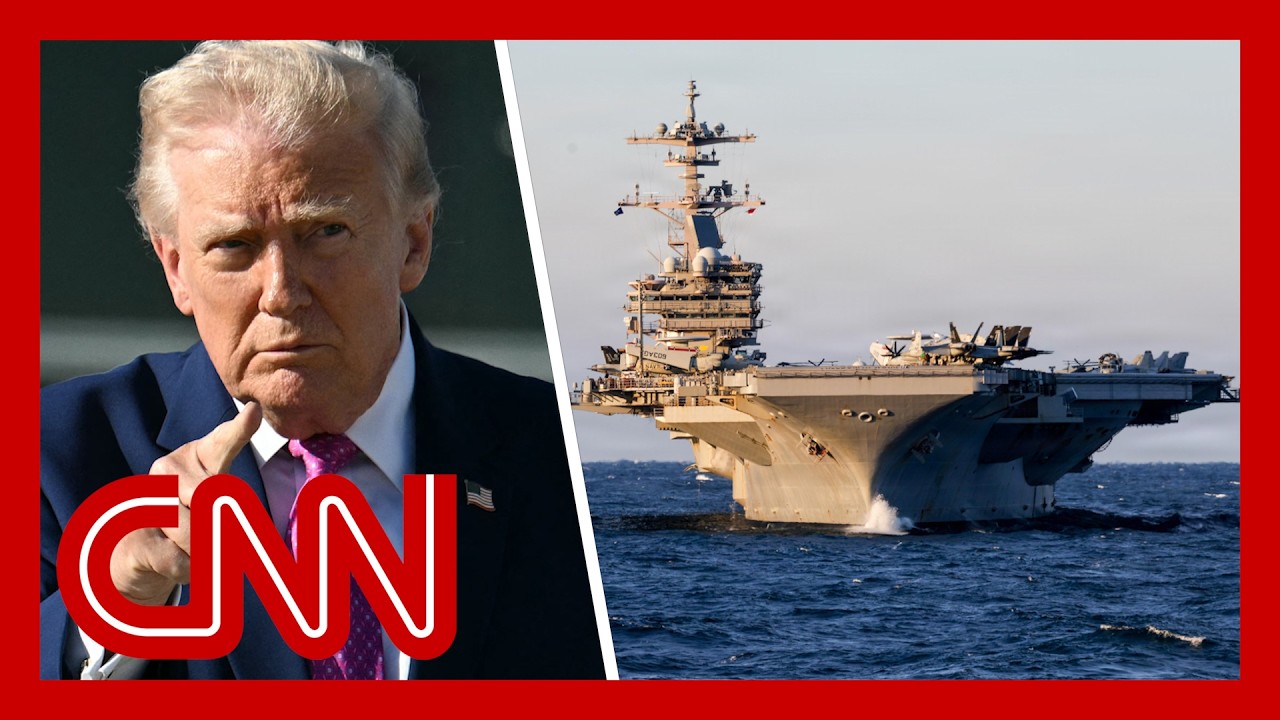
Admiral James Stavridis, former NATO Supreme Commander and seasoned naval strategist, weighed in on the logistics of implementing a blockade. According to him, carrying out such a measure is no trivial task. Blockading the Strait would require substantial U.S. naval resources, including the deployment of at least two aircraft carrier strike groups, a dozen destroyers and frigates, and cooperation from regional navies such as those of the Emirates and Saudi Arabia. The goal would be to “bottle it up” on both sides of the strait, creating a formidable barrier to any maritime traffic.
However, the fundamental nature of a blockade is critical. A blockade is not merely a deterrent; it is considered an act of war. This escalates the stakes considerably as the U.S. shifts from a stance of supporting free navigation to one that restricts it. The tension could trigger retaliatory measures from Iran, potentially leading to broader military conflict in the region. Moreover, the historical context of blockades—such as the one enforced during the U.S. Civil War—points to their inherent vulnerabilities, as history shows that blockades can also be porous.
The central question then arises: what is the strategic impetus behind this proposed blockade? Stavridis suggests that it serves as a means to apply economic pressure without outright destruction—essentially crippling Tehran economically while preserving vital oil infrastructure for potential future negotiations or deals. This represents a middle ground between military action and peaceful diplomacy, albeit a complex and risky maneuver.
However, Iran is not without its resources and strategic ingenuity. The country has historically employed asymmetric tactics to navigate such military challenges, utilizing smuggling and mining operations. According to reports, Iran has the capability to covertly deploy mines, which could disrupt shipping even if the U.S. naval presence is significant. Additionally, the growing influence of cyber warfare looms large; with allies like China and Russia having expertise in this arena, the U.S. must be vigilant against potential cyber attacks aimed at undermining its naval blockading efforts.
Former U.N. Ambassador Nikki Haley provided her perspective on Trump’s blockade plan. She emphasized the necessity of economic actions to weaken Iran while acknowledging the dangers posed by both Russian and Chinese involvement in this geopolitical equation. Iran’s continued use of its resources to challenge U.S. and allied interests has raised alarms, and Haley argues that military capability should still focus on constraining Iranian military ambitions without provoking outright war.
Yet, Haley’s assessment raises further questions about the efficacy of a blockade as a means to compel Iran to negotiate or concede. Historically, sanctions and military actions do not always lead to the desired diplomatic outcomes. There is a risk that such a blockade could entrench Iranian resistance rather than foster cooperative dialogue.
The broader economic implications cannot be overlooked either. With global energy prices soaring and geopolitical tensions escalating, the consequences of a prolonged blockade could disrupt not just Iranian stability but also impact nations reliant on Middle Eastern oil, leading to a ripple effect in global markets.
In summary, Trump’s proposed blockade of the Strait of Hormuz represents a bold yet perilous gambit in U.S. foreign policy. While the aim is ostensibly to apply economic strain on Iran, the potential for broader regional conflict looms large. As military strategies evolve in response to geopolitical challenges, the world watches closely—what may unfold in the coming weeks could redefine not just the U.S.-Iran relationship, but also the global balance of power.