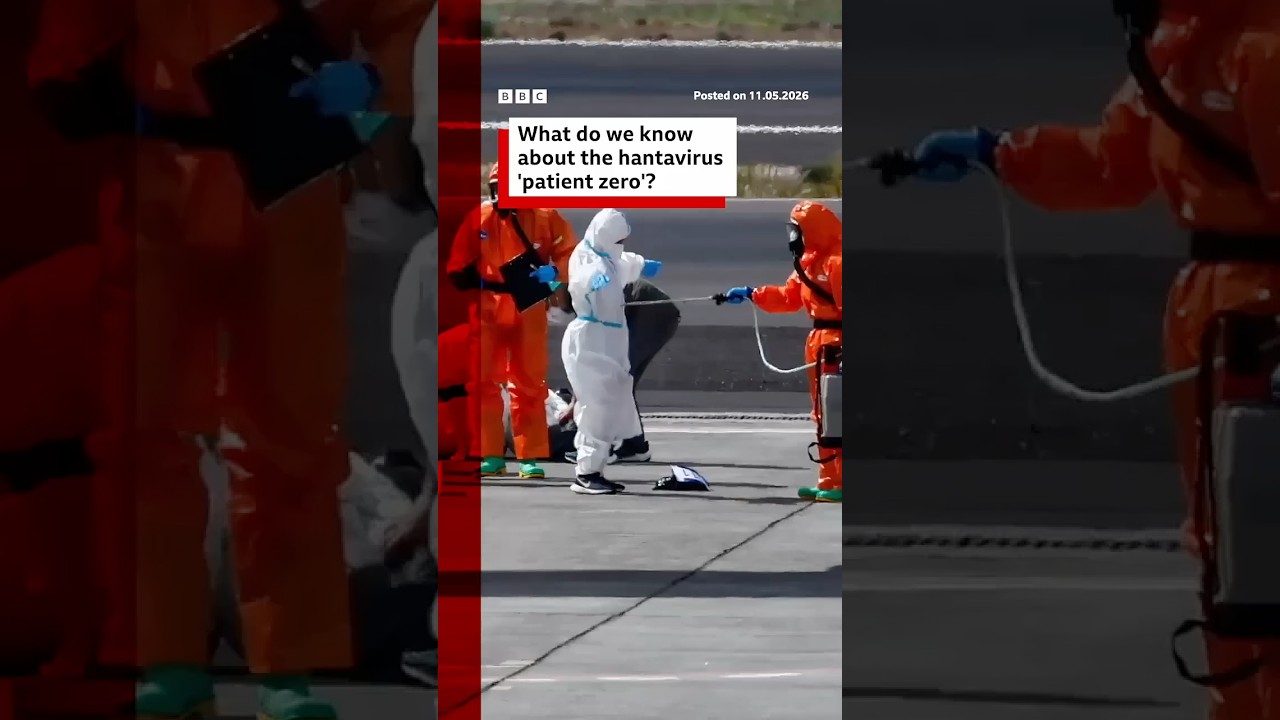
Tracing the Origins of the Recent Hantavirus Outbreak
The recent hantavirus outbreak raises significant public health concerns, particularly as health officials scramble to ascertain its origin. As of now, there is no definitive answer. However, Argentine authorities are focusing their investigations on a Dutch couple who sailed on the MV Hondius cruise ship. Tragically, this couple contracted the virus, and one individual succumbed to it. They are suspected to be "patient zero."
Officials are diligently piecing together the couple’s movements throughout South America. This reconstruction relies heavily on border entry and exit records. The couple arrived in Argentina on November 27 of the previous year. From there, they traveled extensively, crossing into Chile by car on January 7. Their journey included visits to various locations, notably the Argentine province of Neuquén, a region where the Andes strain of hantavirus has been known to circulate. This strain has been confirmed in some passengers who were also aboard the MV Hondius.
After spending a total of 24 days traversing different parts of Argentina, the couple continued their travels for another 20 days before crossing overland into Uruguay. Interestingly, both Chilean and Uruguayan authorities have asserted that the couple likely did not contract the virus in their countries. This conclusion is grounded in the World Health Organization’s estimated incubation period for hantavirus, which ranges from one to eight weeks. These experts argue that the timeline of the couple’s travels supports this assertion.
Upon returning to Argentina on March 27, the couple made their way to Ushuaia, where they boarded the MV Hondius on April 1. This port city, located at the southernmost tip of South America, has no recorded history of hantavirus transmission. Some Argentine officials theorize that one of the passengers might have contracted the virus from a landfill site near Ushuaia, an area often frequented by birdwatchers. However, this theory quickly met skepticism. Local residents and regional officials have disputed it, emphasizing that there have not been any recorded cases of hantavirus in Ushuaia, nor is the primary rodent responsible for transmission—the long-tailed mouse—native to the area.
The situation is complicated by the absence of the Dutch couple to provide answers and clarify the chronology of their travels. Researchers and public health officials find themselves at a crossroads: many critical questions about the outbreak’s origin remain unanswered. In addition, the Argentine government has announced plans to dispatch health experts to Ushuaia for further investigation, indicating a proactive stance in managing the potential public health crisis.
In the backdrop of these developments, it is crucial to note that hantavirus is primarily transmitted to humans through exposure to infected rodent droppings, urine, or saliva. The possibility that the virus could have been contracted in a non-endemic area highlights the challenges of tracing the origins of infectious diseases in an interconnected world.
As investigations continue, the situation emphasizes the need for vigilance in monitoring zoonotic diseases—those that jump from animals to humans. This outbreak underscores the intricacies of disease transmission and the importance of international cooperation in public health. Understanding the precise dynamics of this hantavirus outbreak may take time, but health officials remain committed to uncovering the facts.
While immediate conclusions remain elusive, the science of epidemiology will play a critical role in unraveling these complexities. The health and safety of the public depend on such thorough investigations and the diligent efforts of health agencies worldwide. As we await answers, one thing is clear: the monitoring of infectious diseases will remain a priority in our increasingly globalized society.