Understanding Iran’s Demands: A New Diplomatic Landscape
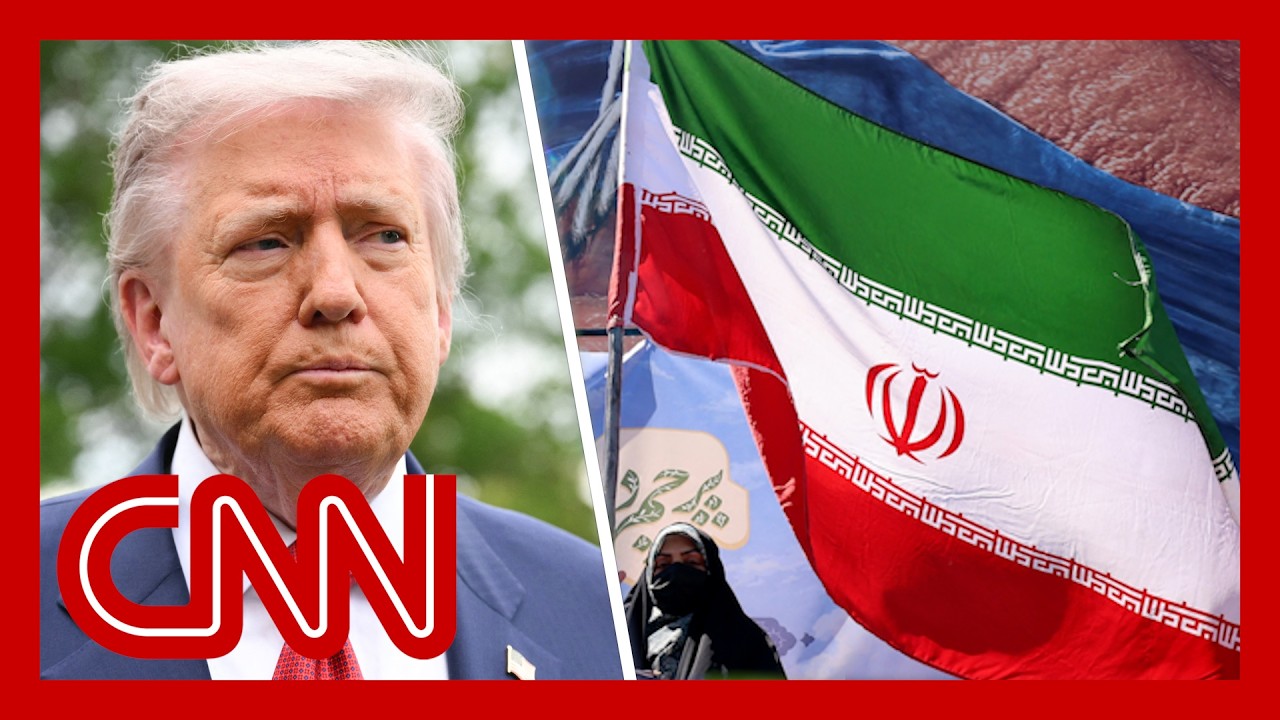
Recent developments in U.S.-Iran relations have shed light on Iran’s latest demands amid ongoing tensions surrounding the ongoing conflict. President Donald Trump has deemed Iran’s counterproposal as "totally unacceptable," continuing the rhetoric that has defined much of his administration’s interactions with Tehran. This piece will unpack the implications of these demands, set against the backdrop of international politics and economic pressures.
According to state media in Iran, the counterproposal includes a call for recognition of Iran’s sovereignty over the strategically vital Strait of Hormuz, alongside demands for compensation for war damages. Notably absent from the discussions is any mention of nuclear weapon capabilities—an aspect that had previously loomed large in negotiations. This omission raises questions about the direction and intentions of Iranian leadership as they navigate this complex diplomatic landscape.
Trump’s immediate reaction, expressed in a social media post, was clear: "I don’t like it. Totally unacceptable." His frustration reflects a broader sentiment within the U.S. administration, which has conditioned its engagement with Iran on a variety of key issues, foremost among them, nuclear proliferation. Speculation arises over whether the Iranian delay in formally responding—initially expected on Friday and finally emerging over the weekend—was a strategic maneuver, emphasizing Iran’s adeptness in the art of negotiation.
The U.S. has long maintained a position of economic pressure on Iran, exemplified by sanctions and a military presence in the region. Trump’s administration has a few potential courses of action moving forward. They could choose to disengage and abandon the negotiation table entirely, a step that would leave the Strait firmly in Iranian hands. Alternatively, an escalation via intensified military actions is also on the table, should the President’s frustrations rise further. A more moderate response may involve continuing economic sanctions while potentially targeting specific Iranian military factions perceived as obstructive.
Admiral John, speaking on CNN, noted the complexities of negotiating with Iran, a nation skilled in leveraging its geopolitical positioning. “Iran invented the game of chess,” he remarked, acknowledging that while Iran may not have the best negotiating position, they consistently seek to stretch discussions in their favor.
Meanwhile, the domestic economic impact in the U.S. looms large. With gas prices exceeding $4 in most states, political calculations will weigh heavily on an administration already sensitive to public sentiment concerning economic stability. As Sabrina, a CNN commentator, noted, Iran may have the upper hand in terms of time; they appear willing to absorb economic hardship, highlighting a significant difference in priorities between the two nations.
This tension between immediate political pressures and long-term strategic planning underscores a pivotal moment. It raises critical questions about Tehran’s potential control over the Strait of Hormuz, which is crucial not just for Iran but for global energy supplies. The potential for Iran to leverage control over this transit point as a bargaining chip poses a significant challenge for U.S. interests in the region.
Complicating matters further, Trump is set to meet with Chinese President Xi Jinping. Observers predict discussions will include economic ties to Iran, especially given China’s significant reliance on Iranian oil. Yet, speculation remains whether this meeting will yield any substantial breakthroughs. Past experiences suggest that grand gestures may not translate into effective diplomatic solutions.
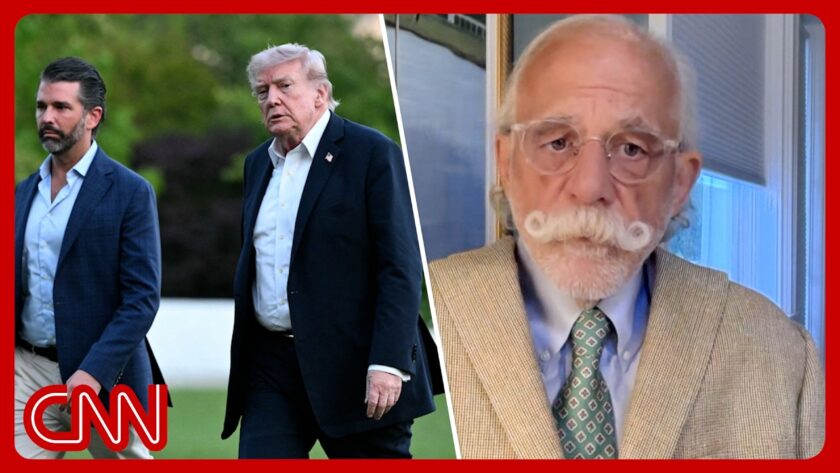
While immediate outcomes appear uncertain, the situation contains some longer-term strategic possibilities. As David Goldman pointed out, the conflict may induce shifts in the global energy landscape—moving away from reliance on the Strait if alternative routes are successfully developed. In this context, nations like Saudi Arabia and the UAE are already working on pipelines that could mitigate Iran’s chokehold on global energy supply.
In conclusion, as both Tehran and Washington navigate this complex web of demands, economic pressures, and military posturing, the near future remains unpredictable. However, it is evident that both sides are engaged in a high-stakes game of endurance—an intricate balance of power, where the ultimate prize may extend far beyond immediate concessions, potentially reshaping international relations in profound ways.