NATO: As Strong as Ever or on the Brink of Disrepair?
NATO, the North Atlantic Treaty Organization, stands as one of the defining alliances in modern geopolitics. While some experts express concern about its cohesion, I believe it remains fundamentally strong—despite certain pressures testing its limits. The alliance has proven its resilience repeatedly throughout history, but contemporary challenges, such as out-of-area operations, may be more than a passing test.
Recent events have raised questions about the effectiveness of NATO’s response to various global conflicts, particularly involving Iran and the broader Middle East. Countries within the alliance have expressed differing levels of support in these operations, highlighting a crucial debate. The concern among leaders, including NATO Secretary General Mark Rutte, revolves around maintaining the alliance’s strength amidst individual national interests.
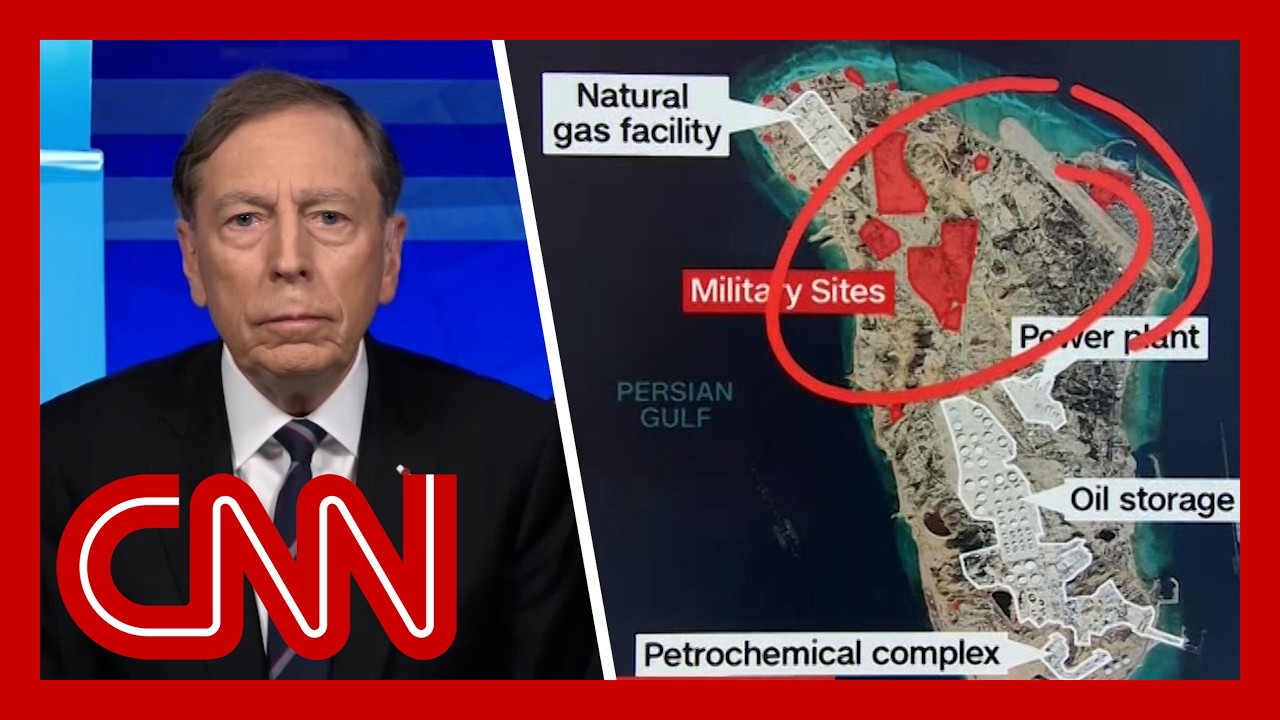
General David Petraeus, a notable voice in military affairs, asserts that while NATO should have been more supportive, individual countries have struggled to navigate the operational landscape. He emphasizes the importance of collaboration among NATO members, particularly given the looming threats not only in the Gulf but also on European soil. Countries such as Turkey and the UK have faced direct threats during this ongoing crisis, creating an urgent need for unity and a more robust response.
Despite these challenges, Petraeus acknowledges the operational success achieved by U.S. forces under President Trump’s directive. The military has made significant progress in reducing Iran’s offensive capabilities over the course of recent operations. Yet, success must be assessed with caution. Achievements in military objectives must consider the broader question of regional power dynamics. Even if Iranian military capacities have been degraded, there exists a paradox: could they emerge from this conflict strategically strengthened?
The control of critical maritime routes, such as the Strait of Hormuz, remains central to this calculus. Iran’s ability to leverage control over maritime traffic poses a potential risk not just to Gulf nations but also to the global economy. Countries in the region may find alternative routes, but the upfront cost and time involved in adapting to such shifts need to be recognized.
As the U.S. looks to negotiate a ceasefire, significant complexity underlies these discussions. With divergent objectives among the United States, Iran, and Israel, finding common ground will be a monumental task. Most notably, Israel has its own set of objectives, particularly regarding Hezbollah and its positioning in the region. While U.S. goals center around nuclear disarmament and the stability of maritime routes, Israel’s concerns also weigh heavily in the negotiations.
General Petraeus paints a sobering picture of the negotiations planned in Islamabad, stressing the tenuous nature of the ceasefire. Both the U.S. and Iran harbor mixed sentiments, with the potential for renewed hostilities always looming. The dynamics of conflict in this region are characterized by a peculiar ambiguity that makes traditional military assessments difficult. This complexity underscores the necessity for patience and strategic thinking as negotiations unfold.
Ultimately, the future of NATO hinges not just on military success in the Middle East but on how the alliance adapts and responds to these challenges. A fragile balance exists between military action and diplomatic resolution, and maintaining this equilibrium will be crucial for NATO’s longevity.
While it is easy to lose sight of the significance of NATO amid the noise of everyday political discourse, it is imperative to recognize its historical strengths and future potential. The alliance remains vital in addressing modern threats, transcending individual national interests for collective security. If NATO members can rekindle their commitment to unified action and support, the alliance can emerge not just intact, but rejuvenated in the face of evolving global challenges.