Legal Dispute Engulfs Mr. Beast’s Media Company Over Harassment Claims
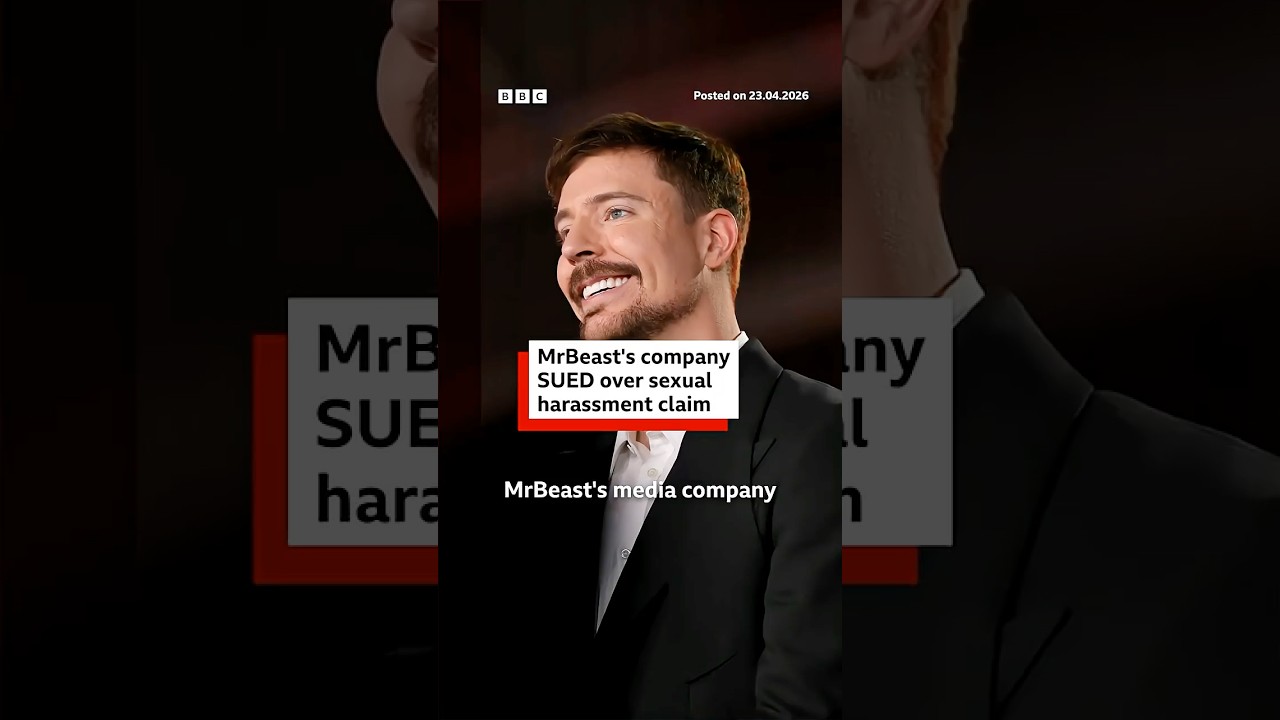
In a shocking turn of events for Mr. Beast, the media company headed by social media sensation Jimmy Donaldson, has found itself entangled in a high-profile legal battle. Lorraine Maatis, a former executive at Beast Industries, has filed a lawsuit alleging sexual harassment and pervasive gender bias within the workplace. Claims like these not only threaten the reputation of a company that has achieved remarkable success but also raise important questions about workplace culture in the fast-paced world of digital media.
Maatis worked with Beast Industries from 2022 to 2025, a period marked by tremendous growth as Donaldson’s YouTube channel expanded its reach. However, her experience tells a different story. In her court filings, Maatis alleges that the company fostered an environment where harassment of female employees was not merely overlooked but actively condoned. Compounding her grievances, she claims her complaints went unaddressed, which ultimately led to her termination after she voiced concerns about workplace conditions that lacked basic employment protections.
The ramifications of Maatis’s allegations stretch beyond her personal situation. They highlight a broader issue of gender dynamics and the treatment of women in the burgeoning digital content industry. As Mr. Beast continues to amass a vast following—he is currently one of the most subscribed individuals on YouTube—this lawsuit could serve as a wake-up call for the entire industry to reevaluate its approaches to workplace equality and employee well-being.
Maatis’s allegations come with specific examples that paint a troubling picture of the cultural environment at Beast Industries. She recounts a conversation with the company’s former CEO, James Warren, wherein she questioned why Donaldson was reluctant to collaborate with her on various projects. In a shocking response, Warren reportedly remarked on Maatis’s appearance, suggesting it had a "certain sexual effect" on Donaldson. Such comments, if true, not only display a lack of professionalism but also reflect a troubling undercurrent of gender bias that cannot be ignored.
In response to the lawsuit, a representative for Beast Industries vigorously denied the allegations, labeling them as “categorically false.” The spokesperson’s assertion that they possess “receipts to prove” their claims adds an intriguing dimension to the case, hinting that the company may be prepared to present evidence countering Maatis’s account. This claim may play a pivotal role in the upcoming legal proceedings, as both parties prepare to lay out their versions of events.
As the public closely follows this case, it becomes increasingly clear that the outcome could have significant implications not just for Maatis, but for the wider employee base of Beast Industries and the industry it represents. With over 500 employees on its payroll, the culture cultivated in Donaldson’s company will be under intense scrutiny. If the allegations are substantiated, it may pave the way for broader enforcement of protective measures for employees in similar creative enterprises.
Mental health issues arising from workplace harassment cannot be downplayed. Maatis’s lawsuit mentions experiencing mental anguish, humiliation, and embarrassment as a direct result of her treatment at Beast Industries. This serves as a reminder that the effects of corporate environments extend far beyond financial losses; they can impact individuals deeply on a personal level.
As the case unfolds, many will watch to see how it influences workplace policies not just at Beast Industries but across the media landscape. The rapid growth of digital content creators and influencers calls for a reassessment of what constitutes a safe and equitable work environment. As public awareness grows and more individuals come forward with their experiences, companies may find it imperative to adopt more stringent anti-harassment policies to ensure their workplaces reflect the values they profess.
In the end, this lawsuit against Mr. Beast’s media company is not just a personal battle for Lorraine Maatis; it is part of a larger dialog about dignity, respect, and fairness in workplaces everywhere. As the stakes rise, all eyes will remain fixed on the proceedings to gauge the future landscape of workplace culture in the digital age.