Escalating Tensions in the Strait of Hormuz: The Clash of Naval Forces and Diplomatic Maneuvering
The Strait of Hormuz, a crucial maritime corridor for global oil shipments, has recently become a focal point of heightened military and diplomatic tensions between Iran and the United States. With an estimated 20,000 seafarers stranded on approximately 2,000 vessels since the onset of hostilities between the two nations in February, the stakes have never been higher.
President Donald Trump, through a series of statements on social media, has pledged that U.S. military forces will assist in guiding ships safely through these contested waters. "For the good of Iran, the Middle East, and the United States," he declared, "we will guide their ships safely out of these restricted waterways." He further warned that any interference with this humanitarian process would necessitate a "forceful" response.
Iran swiftly countered with a chilling reminder: any foreign armed forces, particularly U.S. military units, seeking to enter the Strait of Hormuz would be met with resistance. Reports from Iranian state media suggested that missiles were fired at a U.S. warship as it approached the strait, although these claims remain unverified and are met with skepticism due to the questionable reliability of Iranian media outlets.
Baron Abasi from BBC Persian shed light on the conflicting narratives surrounding these incidents. Iranian state media report various accounts of warning shots fired at U.S. vessels, while other sources associated with the Islamic Revolutionary Guard Corps (IRGC) allege direct attacks. The inconsistency raises doubts about the credibility of Iranian claims, especially given the history of misinformation from Iranian state reports.
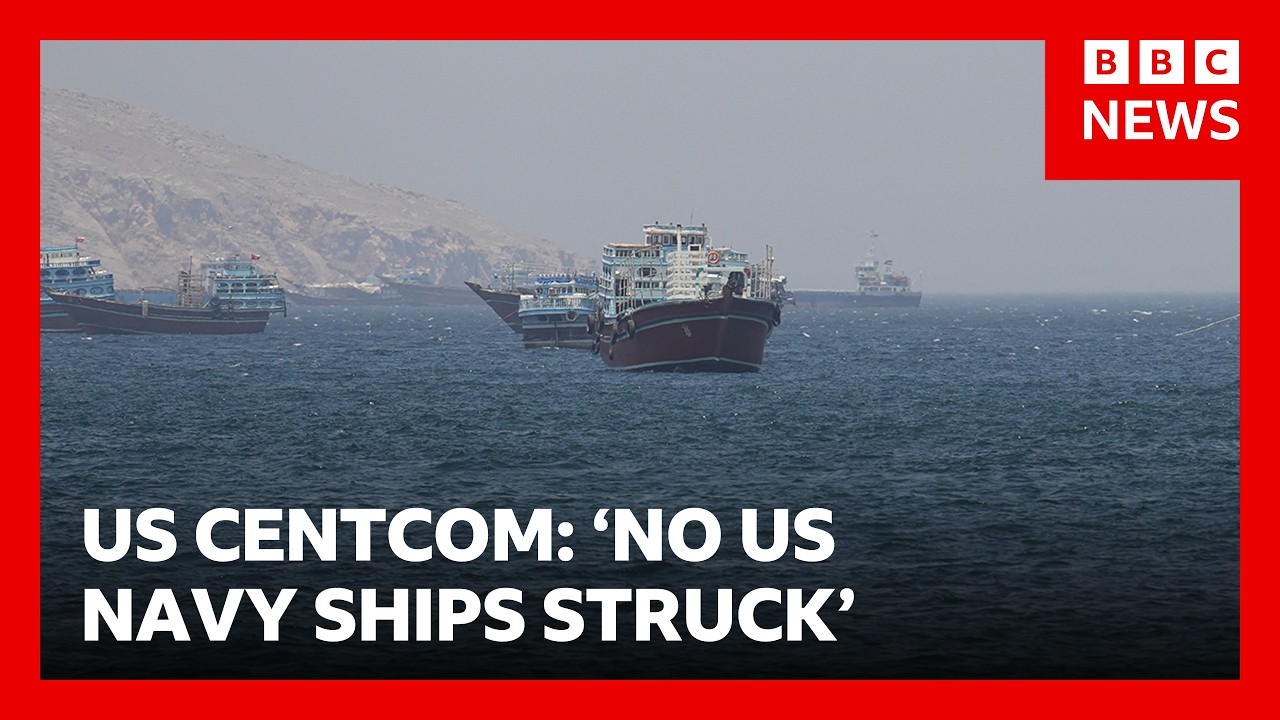
Notably, U.S. Central Command has refuted claims of any strikes on its naval vessels, categorically stating that no U.S. Navy ships have been hit. This denial serves to clarify the status of maritime operations in the strait and illustrates the complex nature of the conflict, where information can be as much a weapon as military engagement.
The IRGC, despite its historically diminished naval capabilities, remains in command of Iran’s military responses in this territorial theater. The IRGC has warned that any ship attempting to traverse the strait must adhere to designated routes to avoid confrontation. The presence of potentially laid mines further complicates navigation, creating a perilous environment for international shipping.
As tensions escalate, the diplomatic landscape remains fraught with challenges. Talks between the U.S. and Iran to resolve the ongoing conflict have stalled, largely due to what both sides perceive as unacceptable demands. The U.S. continues to enforce a blockade on Iranian ports, significantly constraining Iran’s ability to export oil and further straining its economy. Amid these challenges, Iran has sought to assert its dominance over the Strait of Hormuz, claiming that it plays a critical role in ensuring the safety of maritime traffic.
The geopolitics surrounding the strait are intricate, with both nations maintaining rigid stances. Iran insists on controlling the strait to safeguard shipping and extract tolls, framing it as a national security issue. Conversely, the U.S. aims to project military power in the region, emphasizing the importance of maintaining free navigation in international waters.
Calls for a diplomatic resolution have been overshadowed by a series of aggressive postures and military preparations. Recent statements from Iranian officials highlight their belief that they hold the upper hand due to their strategic position in the Strait of Hormuz. They perceive U.S. actions as trapped between negotiating a favorable deal or reverting to a full-scale military conflict—a scenario both sides wish to avoid yet seem to be edging closer to.
As events unfold, the situation in the Strait of Hormuz serves as a grim reminder of the volatile intersection between military might and diplomatic engagement. The world watches closely as both nations grapple with their respective interests, aware that the outcomes could have far-reaching implications for global energy markets and regional stability. In this high-stakes game, the navigation of both ships and diplomacy remains perilously delicate.