A Serious Security Breach: President Trump’s Narrow Escape from Third Assassination Attempt
In a night that was meant to celebrate journalistic excellence, chaos erupted at the Washington Hilton Hotel, where President Trump was attending the White House Correspondents’ Dinner. This event was marred by what the White House now calls the third assassination attempt on the president in less than two years.
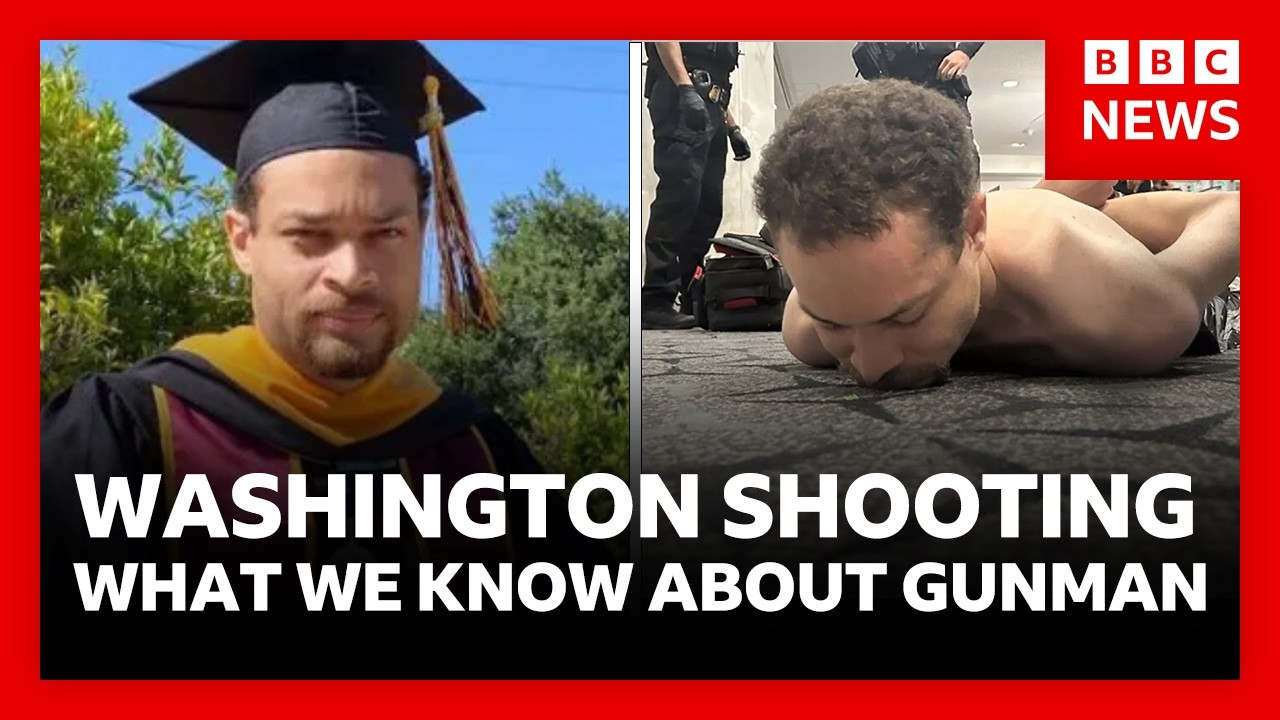
The incident unfolded just after 8:30 PM when a gunman, later identified as 31-year-old Cole Thomas Allen from California, opened fire near the ballroom where Trump and First Lady Melania Trump were seated. Despite the sound of gunfire echoing through the event, the couple, located at the far end of the room, initially remained unaware of the danger. Panic swiftly took hold as attendees scrambled under tables for safety.
Armed with a shotgun, a handgun, and multiple knives, Allen managed to breach a security checkpoint on the floor above the ballroom. However, his advance was thwarted by quick-thinking security personnel who apprehended him before he could reach the dinner guests. Most regrettably, a Secret Service agent was shot but fortunately survived due to his bulletproof vest.
Witnesses described the atmosphere as particularly tense. Gary O’Donahghue, a journalist who was present, recounted how the first shots triggered immediate panic, with many guests diving for cover. "You just didn’t know if someone was wandering around the room about to start shooting all over again," he stated. The sound of gunfire reverberating through the venue transformed a high-profile social gathering into a scene of chaos.
Yet, despite the harrowing events, the White House confirmed that the upcoming state visit by the King and Queen of the United Kingdom would proceed as planned. This decision came after careful discussions on both sides of the Atlantic, reaffirming the diplomatic commitments amidst rising security concerns.
In a press conference following the incident, President Trump spoke candidly about the realities of his position. "Nobody told me this was such a dangerous profession," he remarked, framing the shooting as part of the inherent risks associated with his role. However, he emphasized his commitment to public service: "I’m here to do a job. It is a dangerous profession, but I don’t view it that way."
The investigation into the motives behind the attack is ongoing, although initial insights suggest that Allen intended to target administration officials, possibly including the president himself. Acting Attorney General Todd Blanch indicated that this incident reflects a broader trend of escalating political violence in the United States—an unsettling reality that has rattled public figures across the political spectrum.
The temperature of political discourse in the country has become increasingly heated, creating an environment where threats to public safety are alarmingly common. This month marks not only the anniversary of America’s independence but also the challenging dynamics of modern American politics, characterized by divisiveness and hostility.
This incident marks the third significant security threat against President Trump, following previous near-misses during his campaign in Pennsylvania and an attempted shooting at his golf course in Florida. Each event raises profound questions about the adequacy of security measures in place to protect a leader who is often in the public eye.
Moreover, Tom Baitman, another correspondent at the dinner, highlighted the challenges surrounding security protocols. Attendees had undergone limited security checks, which allowed Allen to carry weapons into the venue. Such oversights necessitate a thorough reevaluation of security measures surrounding high-profile events, particularly those involving the president.
As the FBI continued its investigation into Allen’s background, community members in his hometown expressed shock at the revelations. Described as an ordinary individual, Allen’s actions have forced neighbors and acquaintances to grapple with the reality that violence can emerge from the most unsuspecting places.
In light of these incidents, the need for comprehensive discussions surrounding political violence in America has never been more pressing. As the nation reflects on its political climate, there is a growing urgency for collective action to address the underlying factors contributing to this alarming trend, emphasizing the profound importance of unity over division. The path forward will require not just strengthened security protocols but also meaningful engagement in dialogue, facilitating a renewed commitment to civil discourse.