Renewed Talks and Regional Tensions: The Complex Landscape of US-Iran Relations
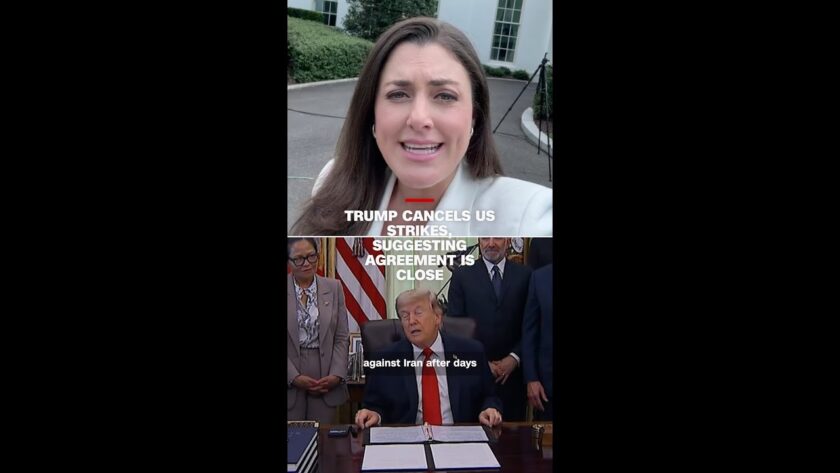
In a significant development, President Donald Trump has suggested that negotiations aimed at ending the ongoing conflict in Iran could reconvene this week. This announcement follows a tumultuous weekend that saw the collapse of talks in Islamabad, leading the United States to impose a blockade on Iranian ports. Notably, the American military has confirmed that no shipping traffic has passed through the US-enforced blockade in the initial 24 hours of its implementation. While the Iranian government has yet to respond to President Trump’s remarks, the situation is increasingly tense.
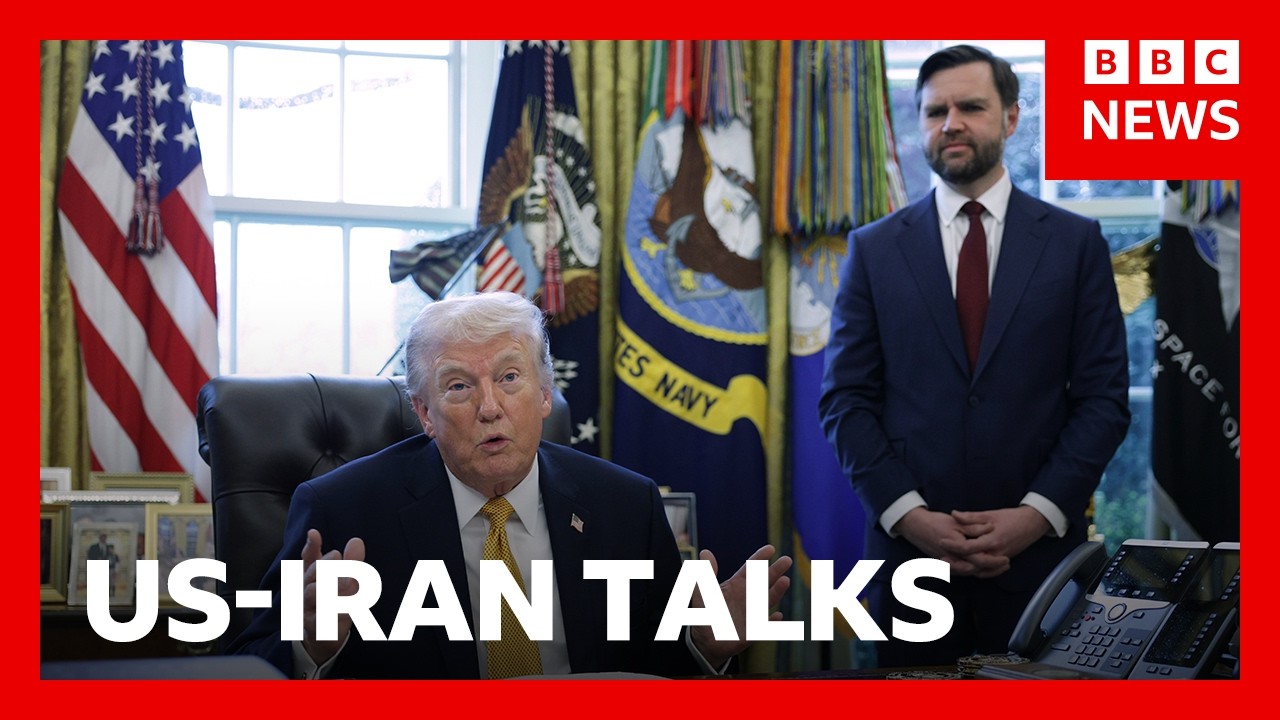
The dialogue in Islamabad lasted approximately 21 hours and was led by Vice President JD Vance. Although the discussions yielded no formal agreement, Vance reported that substantial conversations took place. He acknowledged the deep-seated mistrust between Iran and the United States, a legacy of nearly five decades of strained relations. "You’re not going to solve that problem overnight," Vance noted, highlighting the complexities that persist even amid emerging opportunities for diplomacy.
President Trump has indicated that a new round of negotiations in Pakistan could unfold over the next two days. However, significant obstacles remain, particularly regarding the free movement of shipping through the Strait of Hormuz and the US’s demand for Iran to abandon its nuclear ambitions. "Iran cannot have a nuclear weapon," Trump has stressed, framing the negotiations around this key issue.
The Middle East remains fraught with geopolitical tensions, as evidenced by Israel’s recent face-to-face discussions with Lebanon—its first in over 30 years. This landmark meeting, facilitated by US Secretary of State Marco Rubio, marks a potential turning point in the region’s history. After more than two hours of talks, both sides expressed cautious optimism. Lebanon termed the discussions "productive," while Israel reiterated its goal of disarming Hezbollah, the Iran-backed militia that has been a central figure in the conflict.
Secretary of State Rubio pointed out the humanitarian crisis exacerbated by the ongoing violence. With over 2,000 casualties in recent weeks and more than a million displaced individuals, the stakes are higher than ever. Lebanon’s officials have emphasized that efforts to achieve a ceasefire must go hand-in-hand with addressing Hezbollah’s weapons, a task that remains daunting given the militia’s entrenched position within Lebanese society.
The Israeli government, too, maintains that disarming Hezbollah is essential for lasting peace. The interplay of religious and national identities complicates the situation, with Lebanese Shiites often expressing support for Hezbollah as a bulwark against Israeli aggression. As a result, the Lebanese authorities are in a precarious position: seeking to placate both their citizens who back Hezbollah and those who wish to see the militia disbanded.
Meanwhile, the conflict’s ramifications extend beyond the borders of the Middle East. In the UK, Chancellor Rachel Reeves has voiced considerable frustration over the US’s handling of the Iranian crisis. The International Monetary Fund has warned that the economic fallout from the conflict could hit the UK harder than any other advanced economy. Such warnings reflect the interconnectedness of global geopolitics and domestic economies; policymakers are increasingly concerned about the potential for rising energy costs and economic instability in the wake of ongoing turmoil.
As the situation evolves, the UK government is preparing to respond, with upcoming meetings aimed at mitigating the economic impact. Proposals for targeted support for energy bills, particularly for lower-income households, are under consideration. This approach seeks to limit governmental spending while addressing the challenges posed by external conflicts.
In summary, the landscape surrounding US-Iran relations is as intricate as it is dynamic. With renewed talk of negotiations and critical discussions between Israel and Lebanon, the region stands at a crossroads. Yet persistent mistrust, humanitarian crises, and economic uncertainties cast long shadows over prospects for peace. As leaders weigh their next moves, one thing is clear: the journey towards stability in the Middle East remains fraught with challenges that require nuanced and sustained engagement.