Escalating Tensions: Israel and Lebanon Engage Amid Ongoing Conflict
In a landscape marked by turmoil and shifting allegiances, Israel’s Prime Minister Benjamin Netanyahu has proposed direct negotiations with the Lebanese government. This overture comes as fighting between Israeli forces and the Iran-backed militant group Hezbollah intensifies, raising questions about the future of regional stability. The backdrop to this development is a heated debate over whether the escalating conflict falls within the framework of a ceasefire agreement brokered between Washington and Tehran.
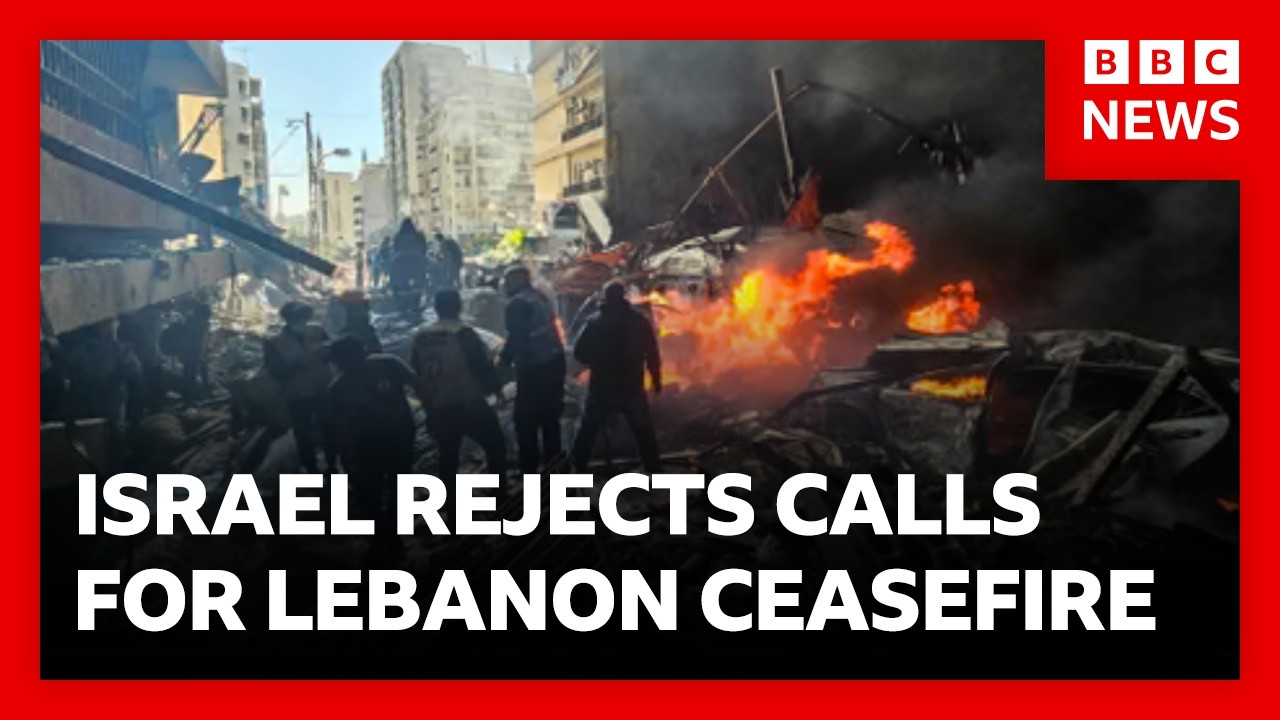
Netanyahu has been clear: he has not conferred any formal agreement regarding a pause in hostilities in Lebanon. Nevertheless, he expresses a willingness to negotiate an arrangement that would include Hezbollah’s disarmament. This statement reflects a nuanced approach, particularly in light of Lebanon’s health ministry reporting a staggering 300 fatalities due to Israeli airstrikes just yesterday. The humanitarian cost of the conflict cannot be overstated, as conditions deteriorate for civilians trapped in the crossfire.
According to reports from Paul Adams, Israel has intensified its military operations, issuing evacuation warnings to residents in the southern suburbs of Beirut. Targeting what it claims is Hezbollah’s military infrastructure, Israel continues its aggressive strategy without an indication of a ceasefire. The United States and Israel maintain that Lebanon was never part of the ceasefire negotiations, whereas Iranian and Pakistani officials assert otherwise. This dissonance adds another layer of complexity to an already volatile situation.
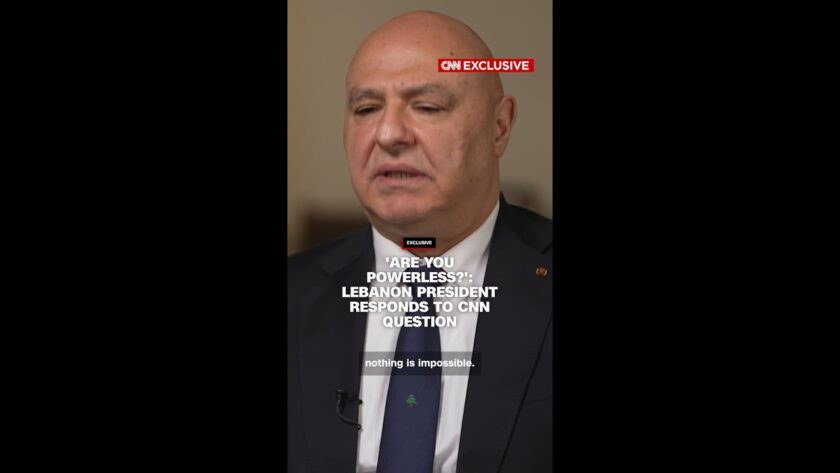
In an unexpected shift, Netanyahu’s administration is now signaling openness to discussions, prompted by Lebanon’s repeated calls for peace talks. His cabinet has been instructed to pursue two principal aims: the complete disarmament of Hezbollah and the establishment of a robust, enduring peace between Israel and Lebanon. Though the prospect of dialogue may offer a glimmer of hope, it comes amidst escalating tensions over strategic waterways.
The Strait of Hormuz, a crucial maritime conduit for global oil supplies, remains effectively under Iranian control. Iran has made clear its claims over the strait, suggesting that its cooperation will dictate how maritime traffic is managed. As tensions simmer, the potential for conflict in this vital stretch looms large. While tankers continue to navigate the area, many are reportedly rerouting to avoid potential threats, raising fears of instability.
In Islamabad, preparations for high-stakes negotiations are underway. Pakistani officials express hope that diplomatic efforts may yield positive outcomes despite significant differences between the U.S. and Iran. The thirst for resolution is palpable, yet skepticism remains about what lasting agreements can be reached.
Adding to the complexity of the situation, human rights groups report tragic consequences for children in Iran, where an increasing number are being killed or recruited by state-sanctioned militias. Testimonies collected reveal the chilling impact of war on young minds. The psychological toll is profound; children report sleep disturbances, chronic anxiety, and an unhealthy fixation on violence. This ongoing plight further raises ethical questions regarding the recruitment of minors in conflict zones and the long-term ramifications on future generations.
In the economic sphere, the aftermath of recent hostilities has led to a notable increase in oil prices, affecting everything from gasoline to aviation fuel. Simon Jack, the BBC’s business editor, notes the historical correlation between oil prices and global economic conditions. With uncertainties surrounding the Strait of Hormuz persisting, economic ramifications are expected to ripple through various sectors, further complicating the geopolitical landscape. As motorists and airline passengers brace for elevated prices, the interplay between energy security and regional tensions remains a significant concern.
While Netanyahu’s offer of direct talks may signal a potential thawing of relations, the underlying issues—Hezbollah’s military presence, Iran’s control over vital waterways, and the humanitarian crisis in Lebanon—illuminate the profound challenges ahead. Engaging in diplomatic negotiations, however vital, is only one piece of a much larger puzzle. As the situation continues to evolve, the international community watches closely, hoping for a pathway to peace that has so far remained elusive.