The Disruption at CBS: Scott Pelley’s Exit and the Future of 60 Minutes
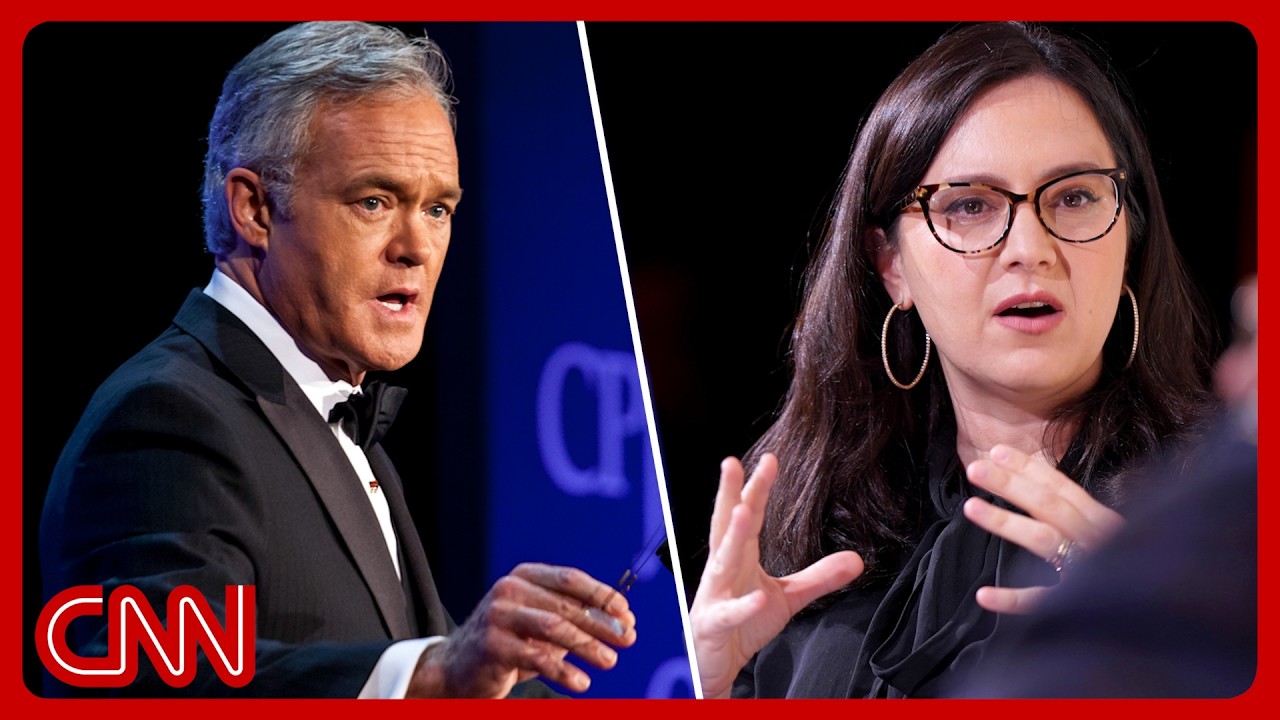
Recently, the landscape of CBS News has been dramatically altered with the firing of veteran journalist Scott Pelley. A revered figure, Pelley has been a stalwart correspondent for "60 Minutes," the network’s flagship investigative program. His abrupt departure signals a profound shift, not only within the program but also within the entire network, as it navigates an unprecedented leadership change.
In a statement released following his dismissal, Pelley expressed deep concern over the direction of "60 Minutes," suggesting that the show has "lost its DNA" after recent upheavals in its senior leadership. This remark reflects a broader unease about the new management’s approach. Pelley alleged that CBS’s latest executives pressured him to introduce bias and misinformation into reports, particularly regarding politically sensitive topics. Such an allegation questions the integrity of journalistic standards at a program renowned for its rigorous reporting. Pelley’s refusal to comply ultimately led to his termination—timing that coincided with a heated staff meeting where he publicly criticized the network’s new direction.
Brian Stelter, CNN’s chief media analyst, characterized this situation as a "clash of the Titans," noting the distinct respect Pelley commands in journalistic circles. The fallout from this conflict is poised to resonate far beyond the walls of CBS News. With "60 Minutes" entering a rebuilding phase, the network faces the urgent challenge of preserving the program’s legacy while ushering in new leadership.
Nick Bilton, a newly appointed executive producer with an unorthodox background in technology and filmmaking, has been placed at the helm. His appointment has raised eyebrows given his lack of traditional newsroom experience. According to reports, Bilton aims to revitalize the show, but reactions to his initial encounters with Pelley suggest an early rift. Pelley allegedly labeled Bilton as unqualified and suggested that his leadership could dismantle what made "60 Minutes" a cornerstone of American journalism.
The tension culminated in Bilton sending a termination letter to Pelley that emphasized a lack of collaboration and mutual respect. While Bilton extended an olive branch, suggesting mediation, the efforts fell flat. Pelley, asserting his convictions, termed some of the management’s actions as incompetent. His departure, framed as "with cause," leaves him facing potential legal battles over his contract, now void.
In his reflective statement upon leaving, Pelley expressed gratitude towards his colleagues, emphasizing the risks many took while pursuing essential stories. Notably, he lamented for a future when the ideals of “sanity, competence, and courage” would be embraced within the network again. This sentiment indicates that Pelley’s fight is not merely personal; it touches on the very essence of journalistic integrity and the responsibilities that come with it.
The dramatic reshaping of "60 Minutes" is particularly concerning given its recent success. Ratings had been strong, indicating that the audience still craved the program’s in-depth investigative journalism. The question now looms—can CBS maintain that audience amid widespread staffing changes and management controversies?
Barry Weiss, the newly appointed editor in chief, addressed the situation in a staff briefing, reinforcing her commitment to a newsroom environment built on trust and mutual respect. She stated that the foundation of collaboration was severed and expressed a desire for reconciliation that ultimately failed.
As the dust settles, Pelley’s exit represents not just a loss for "60 Minutes," but a potential turning point for CBS News. The network now stands at a crossroads, challenged to redefine its journalistic mission under new leadership. The path forward will likely be fraught with scrutiny, as both industry observers and loyal viewers watch closely to see if the magic that made "60 Minutes" a staple of American journalism can be rekindled.