Rising Tensions in the Persian Gulf: A Closer Look at Recent Events
The situation in the Persian Gulf has taken a precarious turn, following a series of violent exchanges between the United States and Iran. This escalation follows an extended period of heightened tensions, underscored by strikes that have left a significant mark on the region’s stability.
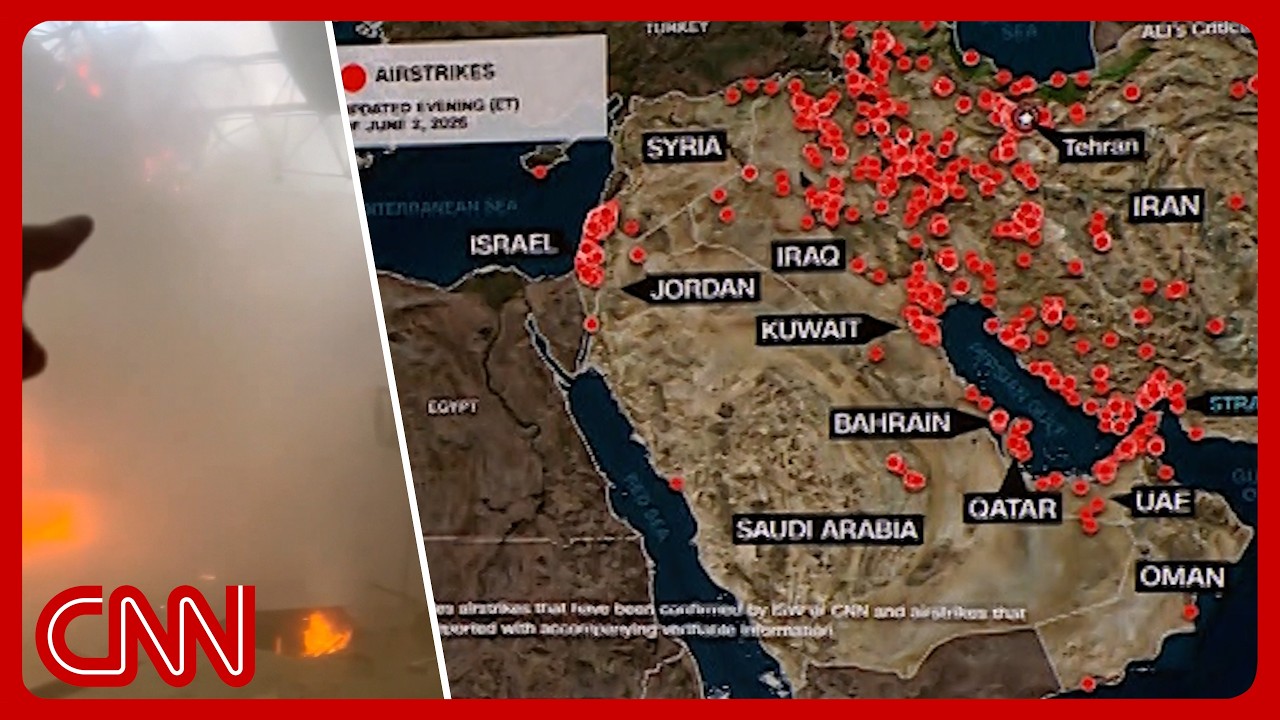
At the heart of the turmoil lies Kuwait International Airport, which recently reopened a mere few days ago after sustaining damage earlier in the conflict. The renewed hostilities have wreaked havoc on the terminal, resulting in at least one fatality and numerous injuries. The aggressive actions were spurred by a complex set of retaliatory strikes, reflecting the volatile landscape that defines contemporary international relations in this area.
The latest round of confrontations began when the United States targeted an oil tanker that appeared to be breaching its blockade on Iranian ports. In turn, Iran retaliated by launching strikes against U.S. bases in both Kuwait and Bahrain. Dramatic footage showed missiles lighting up the Kuwaiti night sky, a stark reminder of the stakes involved in this precarious power struggle. Reports confirm that at least 63 individuals were injured during the strikes, emphasizing the human costs of these military engagements.
Despite the tensions, both the United States and Iran have signaled a commitment to avoiding an all-out war. President Trump has indicated ongoing communications, although the progress of negotiations remains tentative. Meanwhile, Iranian state media have cast doubt on the potential for a fruitful resolution, suggesting a disconnect between the two sides’ narratives.
The regional response has been shaped by a wave of anxiety. Kuwait, having experienced a sleepless night, is feeling the weight of these military operations. The country’s professor of history highlighted the critical need for unity among Gulf states. With the Iranian strikes aimed directly at Kuwait’s infrastructure, the perception of safety continues to shrink among its residents. Yet, in the aftermath, Kuwait appears resilient; flights resumed within hours of the attack, showcasing an unwavering resolve.
However, the broader economic implications cannot be ignored. The conflict has severely impacted Kuwait’s ability to export oil, challenging an economy heavily reliant on energy revenues. Analysts speculate that the ongoing war could result in economic stagnation akin to that experienced during the COVID-19 pandemic. This warning reverberates throughout the Gulf region, where similar concerns linger.
For Kuwait to navigate this challenging landscape, it will need to prioritize economic recovery while also managing regional relationships. Historical precedents offer some hope; Kuwait has demonstrated resilience before, bouncing back from the 1991 Gulf War and the Iranian aggression of the 1980s. Yet the current situation presents unique challenges that will require a coordinated approach across the Gulf nations.
One of the key points raised in recent analyses is the necessity of a unified defense posture among Gulf nations. Emphasizing the importance of mutual protection, experts argue that collaborative efforts need to be strengthened now more than ever. The establishment of infrastructure projects, such as connected electric grids and rail networks, signifies a step in the right direction. However, security measures must also be prioritized to mitigate threats from Iranian aggression.
As discussions continue about the future of diplomacy in this conflict-ridden region, the underlying variables remain complex. Efforts to secure a memorandum of understanding are still in flux, casting uncertainty over what the coming weeks may hold. A unified stance among Gulf Cooperation Council members could enhance their collective bargaining power, forming a bulwark against external threats.
In summary, the recent attacks in Kuwait serve as a sobering reminder of the fragility of peace in the Persian Gulf. With lives lost and communities shaken, it is clear that a comprehensive and united approach is essential for regional stability. The coming days will be critical as nations work to navigate these treacherous waters, balancing the need for security with the quest for lasting peace. The eyes of the world remain focused on this vital region, hoping for calmer seas ahead.