The Stalemate in U.S.-Iran Relations: A Complex Game Amidst Tensions
As international tensions heighten, the prospect of meaningful dialogue between the United States and Iran appears increasingly remote. Recent reports indicate that Iran is unlikely to participate in a U.S.-led delegation set to meet in Pakistan for discussions on the ongoing war. Iranian state television, citing government sources, has stated that there are no plans for such a venture, attributing their decision to the U.S. naval blockade and what they deem excessive demands from Washington, though no senior Iranian officials have ventured to clarify the regime’s stance.
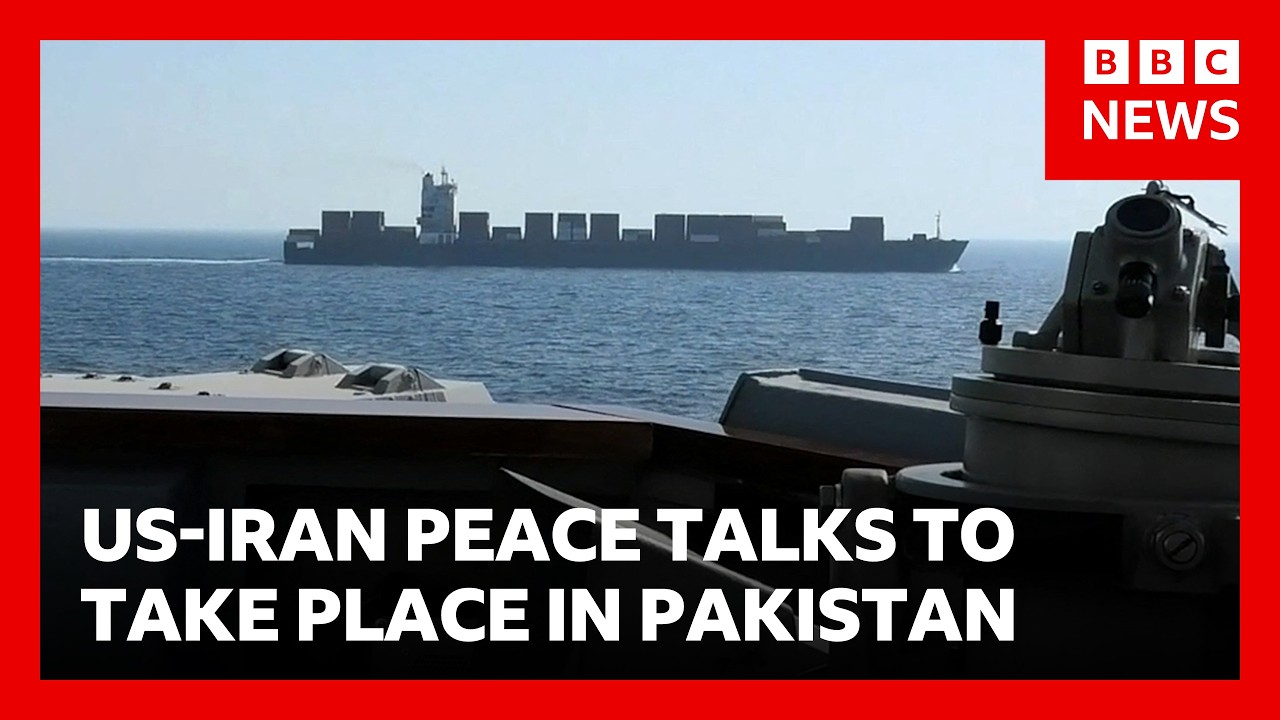
Leading the U.S. delegation is Vice President JD Vance, who faces a challenging backdrop. The recent seizure of an Iranian-flagged cargo ship by U.S. forces has exacerbated tensions. According to reports from U.S. Central Command, military personnel disabled the ship’s engine after it ignored multiple warning shots over several hours. The act has prompted Iran to threaten retaliation, escalating an already fraught situation in the region.
The Strait of Hormuz, a vital artery for global shipping, remains a focal point of contention. Iranian officials assert control over this strategic passage, proclaiming that any suggestion of relinquishing this dominance is unacceptable. In an era of heightened geopolitical friction, the Iranian regime underscores its right to govern what it considers its territorial waters. One prominent lawmaker boldly stated, "We believe this is our inalienable right," emphasizing the regime’s commitment to maintaining its influence in the strait as a strategic asset against perceived threats.
The rhetoric on both sides is sharp. U.S. President Donald Trump has articulated a stark warning, proclaiming that, should diplomatic overtures fail, the U.S. would target critical infrastructure within Iran, a declaration that illustrates the tense and precarious nature of the dialogue—or lack thereof. The American narrative casts Tehran as the ultimate aggressor, labeling it "the world’s biggest pirate" for its stance on maritime sovereignty.
On the ground in Iran, the socioeconomic implications of the ongoing sanctions and military conflict are undeniable. Reports from Tehran reveal strained conditions – rising costs for basic necessities, particularly medications—paints a stark picture. While domestically produced drugs remain available, access to imported medicines is dwindling. Citizens express an unwavering sense of frustration, fearing that internal repression may intensify following the war, particularly against dissenting youth.
The dichotomy in public sentiment is palpable. While some rally behind the government, others remain skeptical and fearful, particularly following crackdowns that have resulted in significant civilian casualties. The authoritarian grip on dissent grows tighter; many young Iranians are apprehended, and even executed, for their role in protests against the regime. This discord creates a murky domestic landscape where national pride and personal despair coexist uneasily.
In the midst of these complexities, experts like Eric Min highlight that while public dialogue may appear stagnant, private negotiations may be ongoing. He notes that productive conversations are often hidden behind closed doors, where both sides may find common ground away from the prying eyes of the public sphere. With Pakistan acting as a potential intermediary, there is hope for a possible extension of the current ceasefire, even if formal agreements remain elusive.
Yet, the reality is grim. Both nations seem entrenched in their positions, unable to make concessions without risking domestic backlash. Thus, while the surface may seem calm, the waters beneath are turbulent, and the journey toward peace remains fraught with challenges. The Strait of Hormuz is not merely a geographical point of contention; it has become a symbol of broader geopolitical struggles, encapsulating the complex dynamics of power, sovereignty, and national identity.
As events unfold, observers must remain vigilant, recognizing that even amidst the posturing and bluster, the stakes are incredibly high. Both nations may harbor a reluctant desire to prevent further escalation, but until a genuine willingness to engage emerges, the prospect for a lasting resolution remains dim.