Unraveling the Sturgeon Saga: Insights from Her Recent Interview
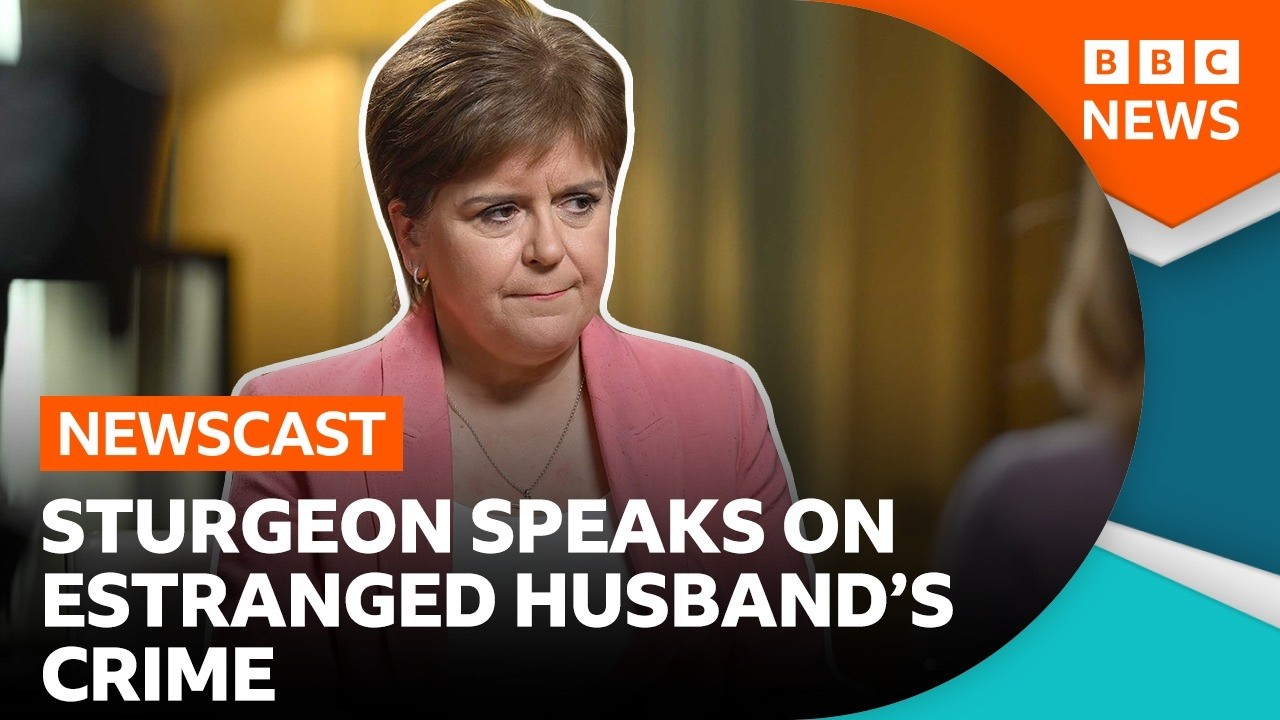
The political landscape in Scotland continues to shift dramatically following former First Minister Nicola Sturgeon’s interview, her first major media engagement since her husband, Peter Murrell, pleaded guilty to embezzling £400,000 from the Scottish National Party (SNP). This interview, a lengthy 55 minutes, delves into the complexities of Sturgeon’s personal and political life amidst a monumental scandal that has captivated public attention.
Over the years, the SNP’s finances have been scrutinized under a spotlight that has grown increasingly intense. Concerns have been raised for several years regarding the party’s financial dealings. Initially, questions emerged around missing funds from an independent referendum campaign. The situation escalated when Peter Murrell, who served as the SNP’s chief executive for two decades, faced a series of serious accusations, ultimately leading to his arrest and subsequent guilty plea.
In the recent interview, Sturgeon described the ordeal with profound emotion, reflecting on how she feels her reputation has been severely tarnished by her husband’s actions. "I feel like I’m serving a sentence for a crime I didn’t commit,” she shared, emphasizing her profound humiliation and bewilderment as she grapples with the fallout of a scandal that not only impacts her personally but destroys her carefully crafted political legacy.
Despite this profound personal crisis, Sturgeon’s composure in the interview was noteworthy. She acknowledged the emotional turmoil stemming from her husband’s betrayal yet deftly articulated her narrative, striving to present herself as a victim of circumstance rather than complicity. This is essential, as public perception remains divided; recent polls indicate that only 20% of the public believe she was unaware of her husband’s financial misconduct.
However, as adept as she was at framing her argument, the question of accountability looms large. Critics have pointed out that Sturgeon had a leadership role that included overseeing the party’s finances, which raises questions about her level of awareness. She asserted that while she was consumed by her duties, the financial irregularities managed to slip through the cracks. Her responses revealed a tension between her role as a leader and the personal dynamics of her marriage to Murrell.
As the week unfolded, the political ramifications of Sturgeon’s situation intensified. Calls for inquiries from various political factions signal a broader investigation into the SNP’s fiscal management and leadership accountability—a potential headache for the party, especially as it continues to hold a significant position in Scottish politics. The current First Minister, John Swinney, faces mounting pressures as well, especially from opposition parties eager to capitalize on any perceived missteps stemming from this scandal.
The emotional weight of the situation was palpable throughout the interview. For Sturgeon, reflecting on moments of familial intimacy intertwined with betrayal—such as gifts from her husband that she later learned had been purchased with party funds—was especially poignant. She articulated that the realization of her husband’s deception leads to a profound sense of pain and bewilderment, complicating the narrative further.
The nuances of party dynamics also became apparent throughout the dialogue. Sturgeon faced questions not just about her husband’s actions but about the broader implications for the integrity of the SNP and its financial governance. Statements from fellow party members, such as those by Joanna Cherry, a prominent critic, underline the fractures within the party, bringing to light the implications of Sturgeon’s leadership style.
As the political fallout from the interview plays out, it’s clear that this saga is set to continue. With ongoing inquiries into the SNP’s financial practices and the political climate in Scotland shifting, Sturgeon’s narrative, while compelling, does not absolve her of scrutiny. The dichotomy between her public persona and the tumultuous reality of her personal life encapsulates a larger narrative about power, trust, and accountability in politics.
In conclusion, as the nation watches these developments unfold, Sturgeon’s interview provides rich material for analysis. It raises questions about leadership, the intersection of personal and political crises, and the enduring impact of scandal on public perception. The weeks ahead will undoubtedly reveal more layers to this complex story of politics, trust, and betrayal.