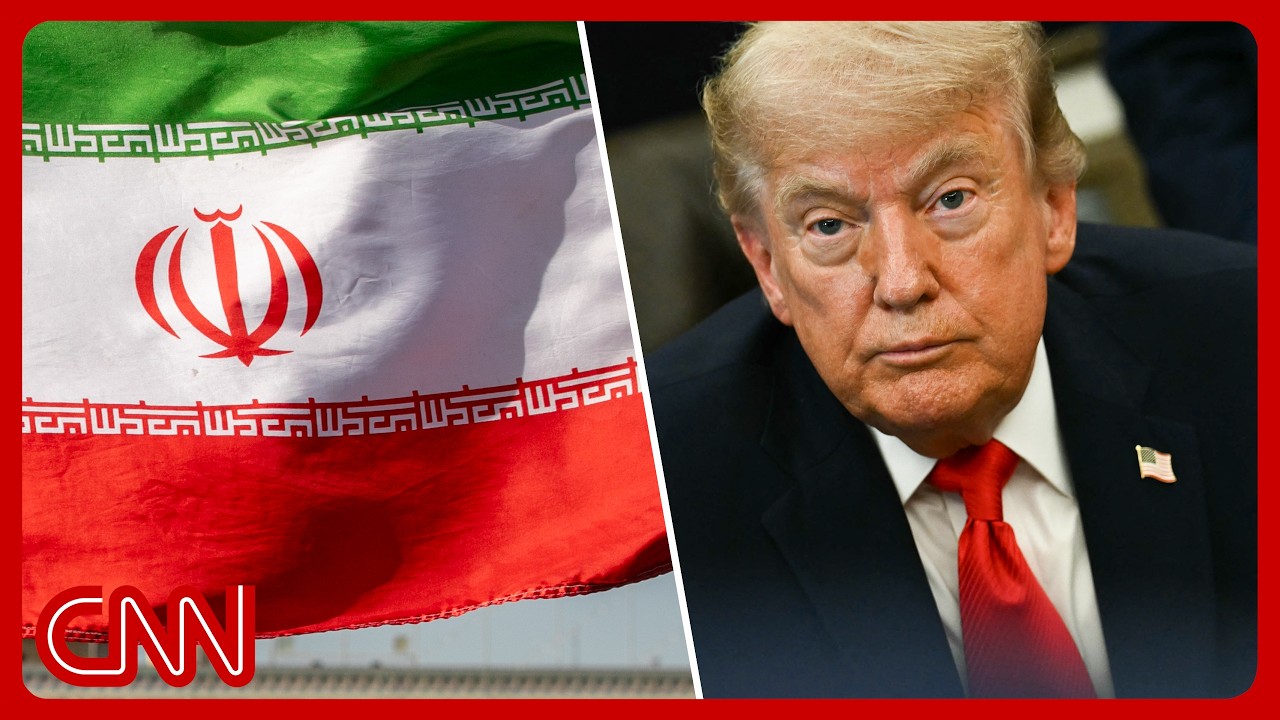
Iran’s recent declaration of victory in what the foreign minister termed a “battlefield” has elicited mixed reactions globally, particularly from the United States. The Islamic Republic has confidently asserted that it has emerged triumphant, claiming that the Iranian people have achieved a significant success. However, parsing through the rhetoric reveals a complex web of geopolitical implications, as both nations seem to be pursuing divergent objectives within the framework of ongoing negotiations.
In a significant television speech, the Iranian foreign minister emphasized that this proclamation was not mere propaganda. “We are the victor of this battlefield,” he stated, encapsulating a national sentiment. Yet, such bold declarations contrast starkly with the views of U.S. officials who have described ongoing discussions as fraught with obstacles. A shipping executive, speaking off the record, articulated a prevailing sentiment: “Unfortunately, the White House, the US are losers.” This discord reflects a situation where both parties assert they are nearing a deal, yet appear entrenched in fundamentally different agendas.
Central to this impasse is the Strait of Hormuz, a critical maritime chokepoint. It remains closed for now, an issue exacerbated by Iran’s insistence that reopening the strait will only occur under Iranian management and the imposition of transit fees. This demands a departure from conditions previously established under the Trump administration, which firmly opposed similar notions. The situation raises questions about freedom of navigation, a principle that has historically underpinned U.S. foreign policy in the region.
At the core of these discussions lies the contentious subject of Iran’s nuclear program. Historical precedence highlights that the U.S. administration had demanded the dismantling of Iran’s nuclear facilities and the removal of its nuclear material. However, the Iranian stance suggests a reluctance to commit to such measures. An Iranian official indicated that nuclear negotiations would only commence during a designated 60-day period following a memorandum of understanding—essentially a non-binding agreement that leaves many issues unresolved.
U.S. officials maintain that no financial resources will be released until Iran demonstrates tangible compliance. Yet, Iran has countered this narrative, specifying that up to $24 billion could be unlocked immediately upon signing the memorandum. The apparent disparity between U.S. and Iranian positions elucidates a larger narrative of domestic posturing, where each side shapes its messaging for local audiences.
The dialogue also subtly underscores a broader strategic shift. Iran’s military capabilities, particularly its missile technology, have evolved significantly since previous conflicts. They demonstrated not only the ability to disrupt commercial shipping along the strait, but also a proficiency in utilizing low-cost drones for strategic deterrence, marking a pivotal advancement in asymmetrical warfare tactics. This situation implies that the traditional balance of power in the region may be irrevocably altered.
The implications extend beyond bilateral negotiations, hinting at potential ramifications for other regional actors. There is concern that this newfound confidence may embolden Iran or its proxies to exert similar control over other vital waterways, risking further global economic turmoil as more nations vie for influence in critical maritime routes.
Compounding the complexity, Israeli officials, apprehensive about the evolving dynamics, have been vocal about their opposition to any deals perceived to strengthen Iran’s position. The prospect of an agreement, particularly one lacking robust verification mechanisms, poses a geopolitical dilemma. As military maneuvers persist in Lebanon and elsewhere, the stakes for U.S.-Israel relations remain perilously high.
Ultimately, the road ahead is fraught with uncertainty. The U.S. administration’s approach, which favors broad strategic frameworks over detailed negotiations, contrasts sharply with the intricate, technical discussions favored by Iran. As President Trump navigates these waters, his historical track record suggests that proclaiming a victory may not always translate to actual diplomatic success.
In the turbulent theater of international relations, the stakes continue to rise. Iran’s declarations of victory underscore a significant shift, but whether this translates into lasting change or merely a pause in hostilities remains to be seen. The balance of power in the Middle East is shifting, and the repercussions will likely resonate far beyond today’s headlines.