The Fallout of Joe Kent’s Resignation: A Shifting Landscape in U.S. Foreign Policy
The recent resignation of Joe Kent, a senior counterterrorism official in Donald Trump’s administration, has sent shockwaves through Washington. Kent’s departure reflects a burgeoning rift over the administration’s approach to the ongoing war in Iran—a conflict he characterizes as fundamentally misguided. In an outspoken statement, Kent argued that Iran posed no imminent threat to the United States and asserted that U.S. intervention was largely a consequence of undue pressure from Israeli interests. This perspective is controversial and has drawn stark rebukes from both the Trump administration and many political elites.
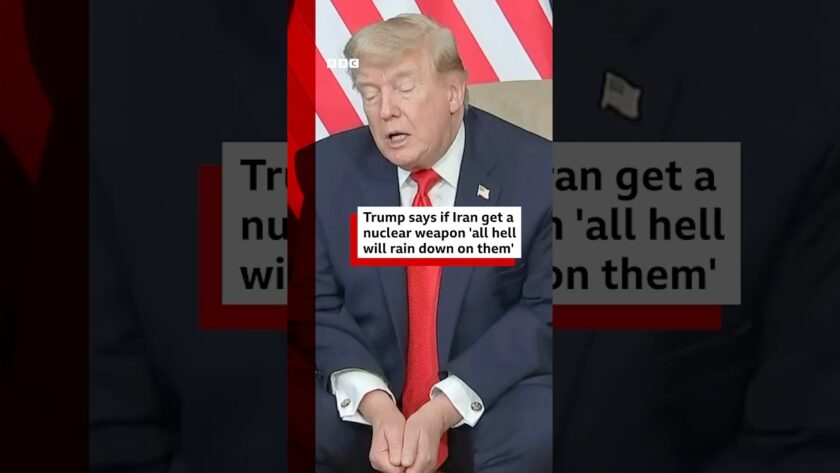
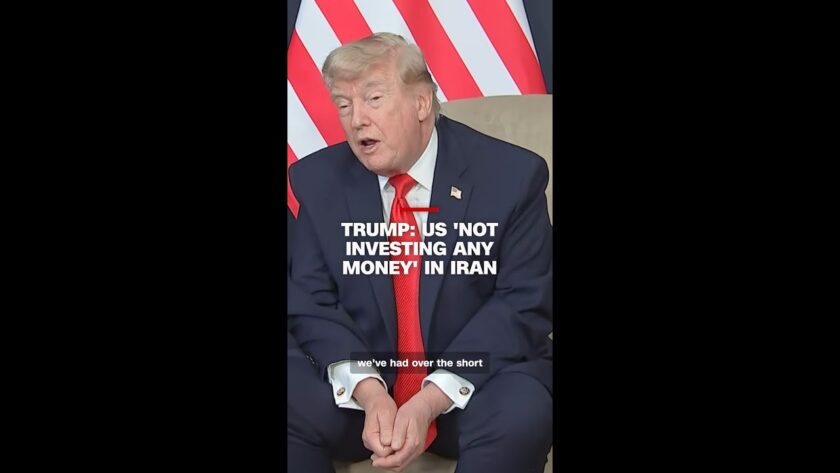
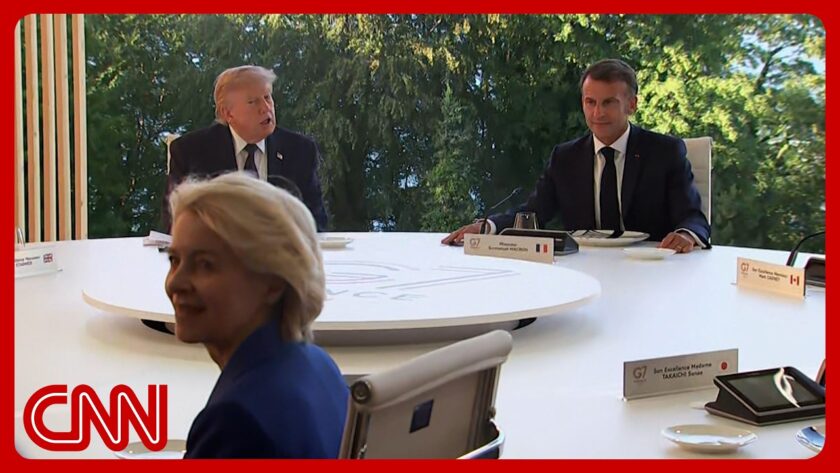
President Trump wasted no time in responding, labeling Kent as "weak on security." The president’s assertion emphasized that the United States must take a strong stance against perceived threats, particularly from Iran, which Trump and many of his supporters view as a key adversary. Trump’s discontent has also spilled over into criticisms aimed at NATO allies, specifically singling out U.K. leader Sir Keir Starmer, suggesting that America no longer requires external support in the conflict.
Kent, while not a household name, was a steadfast proponent of the Trump administration’s policies. His resignation signals a deeper ideological divide within the party. Many of Kent’s critiques resonate with a growing segment of Trump’s base that questions the motivations behind U.S. military interventions abroad. They argue that America should prioritize its own interests, not those of foreign nations. Notably, Kent’s assertion that "it feels very much to me like it is clearly Israel’s war" encapsulates the sentiment that U.S. foreign policy may be excessively influenced by external players, particularly Israel.
In his public remarks, President Trump rejected Kent’s narrative. During a meeting with the Irish Tishuk, he dismissed Kent’s assessment, reaffirming the view that Iran represents a genuine and present threat. The administration’s narrative is framed within a broader context of global security, maintaining that aggressive action is necessary to safeguard American interests. Trump’s reliance on leaked information from internal discussions further exacerbates tensions, as administration officials describe Kent as a "crazed egomaniac" and a leaker who was kept out of crucial meetings.
Despite fierce backlash from the administration, Kent’s criticisms have garnered support from a significant faction of the MAGA movement. Leaders and influencers aligned with Trump have echoed his concerns, emphasizing America’s role in the conflict and questioning the strategic wisdom behind military commitments to foreign governments. The sentiment among these supporters reflects a yearning for an "America First" policy that prioritizes national interests over international obligations.
Amid the discussion of Iraq and Iran, President Zelensky of Ukraine has expressed concern regarding the potential repercussions of the war in Iran on the ongoing conflict with Russia. Zelensky indicated that as American attention shifts towards the Middle East, vital diplomatic efforts in Ukraine are being postponed. He characterized Iran’s regime and Putin’s Russia as "brothers in hatred," highlighting the interconnected nature of these geopolitical conflicts.
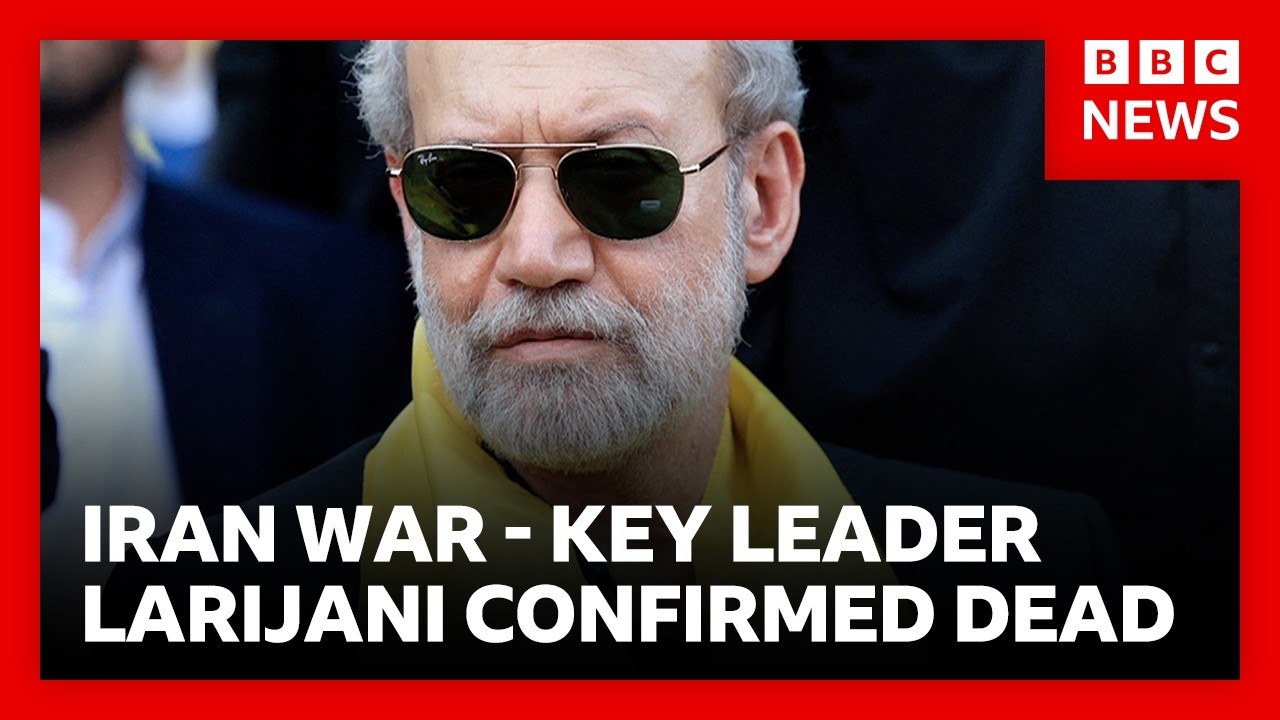
The assassination of Iranian military leaders following Israeli strikes has further escalated tensions in the region. The deaths of prominent figures threaten to destabilize Iran’s leadership dynamics and complicate an already intricate conflict landscape. The unyielding nature of these skirmishes underscores the potential for prolonged violence, which could have rippling effects on U.S. foreign policy and international relationships.
At the heart of this discourse lies the question of whether Trump’s strategy has forged new alliances or alienated key partners. If the former president continues down a path of unilateralism, the repercussions may be severe, potentially jeopardizing relationships with NATO allies who feel betrayed or sidelined by the emerging American foreign policy narrative regarding Iran.
In conclusion, Joe Kent’s resignation signals not only a personal departure but reflects broader tensions within U.S. policy circles. As debates intensify around the war in Iran, the implications will echo across international alliances, impacting how the United States navigates its role on the world stage in the years ahead. The call for an "America First" approach is resonating with a segment of Trump’s base, but whether this will become a sustainable foreign policy strategy remains to be seen.