Navigating the Challenges of Global Affairs: Insights from Recent Political Discourse
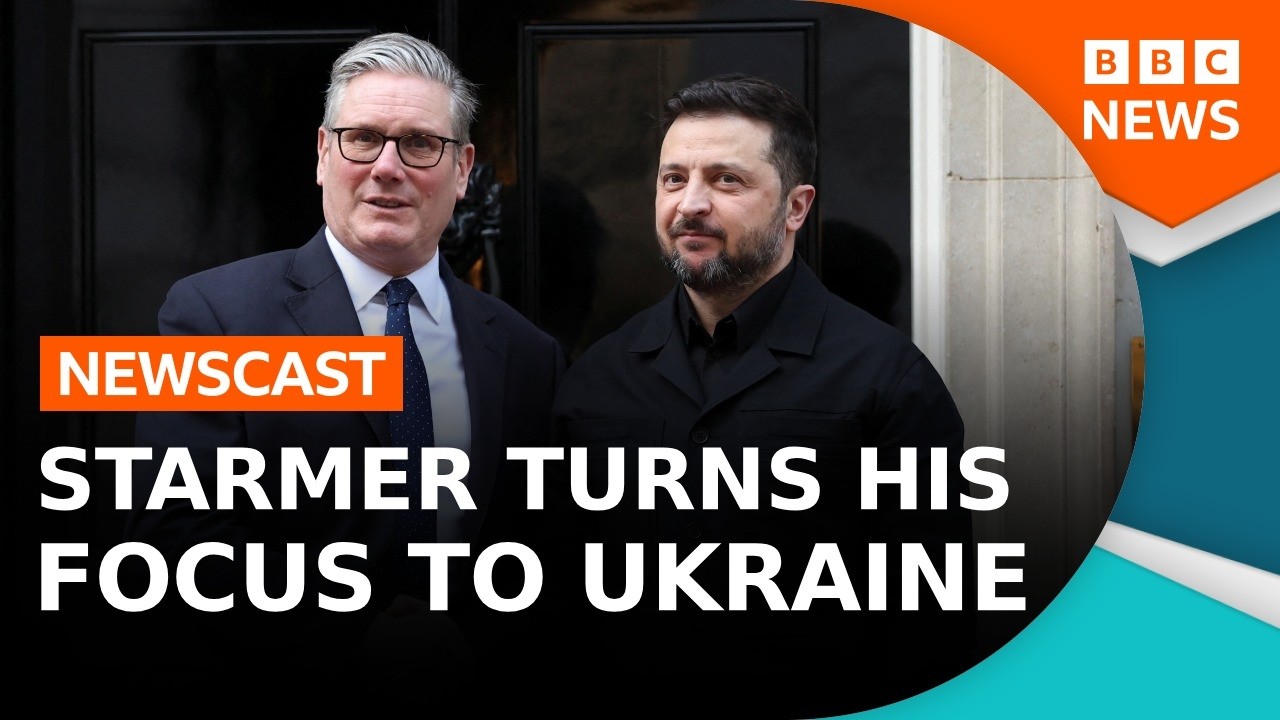
As tensions escalate internationally, leaders are finding platforms to address pressing global issues. Recently, Ukrainian President Volodymyr Zelensky visited Parliament, articulating the inextricable link between the conflicts in Ukraine and the Middle East. His visit underscored a pertinent reality: the complexities of international relations are often deeply intertwined. The chancellor’s annual Maze Lecture served as a timely forum for discussing strategies to tackle these issues.
The Maze Lecture, a longstanding fixture in Britain’s financial calendar, is not merely a ceremonial gathering. It presents an opportunity for senior figures to outline fiscal and monetary policies that shape the country’s economic landscape. This year, Chancellor Rachel Reeves drew attention to pivotal themes including technological advancements and geopolitical dynamics.
Zelensky’s address was highlighted as a powerful example of effective communication in political rhetoric. He boldly asserted that the conflicts in the Middle East and Ukraine are two sides of the same coin, depicting Russia and Iran as “brothers in hatred.” This linking suggests that the ramifications of one conflict could destabilize the global order further, reflecting a contemporary understanding that local disputes often reverberate on a worldwide scale.
In an interesting rhetorical shift, Zelensky framed Ukraine as not just a victim but a pioneer in modern warfare, particularly in drone technology. This evolution from a plea for support to a position of mutual benefit signifies a pivotal change in his messaging. By emphasizing Ukraine’s contributions to contemporary military strategy, he implicitly called for greater backing from allies under the premise of collaborative strength.
Amidst these dynamics, the domestic political landscape in Britain remains fraught with its own complexities. With the backdrop of Donald Trump’s critiques of NATO and ongoing debates about support for Ukraine, the political discourse reflects a broader skepticism regarding foreign military interventions. Figures such as Kier Starmer have made strides to reposition Labour’s stance, emphasizing the importance of united Western efforts against adversaries like Russia and Iran.
Reeves’ lecture further incentives economic growth and technological adaptation within this turbulent climate. She underscored the critical role of embracing next-generation technologies, particularly in quantum computing and artificial intelligence. The UK’s previous struggles to commercialize its technological innovations have led the Chancellor to propose substantial public investment aimed at ensuring the country remains at the forefront of technological breakthroughs.
The announcement to pivot economic alignments towards the EU, focusing on regulatory frameworks that support frictionless trade, signals a strategic shift. This involves recognizing the potential for cooperative economic policy, sounding refreshingly similar to the pre-Brexit calls for single market alignment. Such diplomacy requires a balance between national interests and a pragmatic acknowledgment of the interconnectedness of modern economies.
Reeves’ focus on re-balancing economic growth across the UK introduces a new layer to the well-trodden narrative of “levelling up.” By proposing incentives for urban centers to generate local tax revenue, she aims to foster economic growth through population increases. This methodology of fiscal decentralization not only empowers local leaders but also reflects an understanding of economic growth that transcends mere financial metrics.
However, as Reeves navigates these politically charged waters, the reality remains that her proposals must contend with political and economic gravity. She faces the arduous task of translating her ideas into actionable policies amidst a landscape characterized by skepticism and strategic competition within the EU.
In sum, the recent discourse encapsulated the intricate interplay between domestic politics and global challenges. The lessons gleaned from Zelensky’s address and Reeves’ Maze Lecture illustrate the importance of strategic communication, technological investment, and the complexities of international relations in navigating a rapidly changing world. As leaders grapple with these realities, the stakes remain high, underscoring the need for a cohesive vision that aligns domestic policies with the realities of a globalized landscape.