Investigating Maternity Care Failures at Nottingham University Hospitals NHS Trust
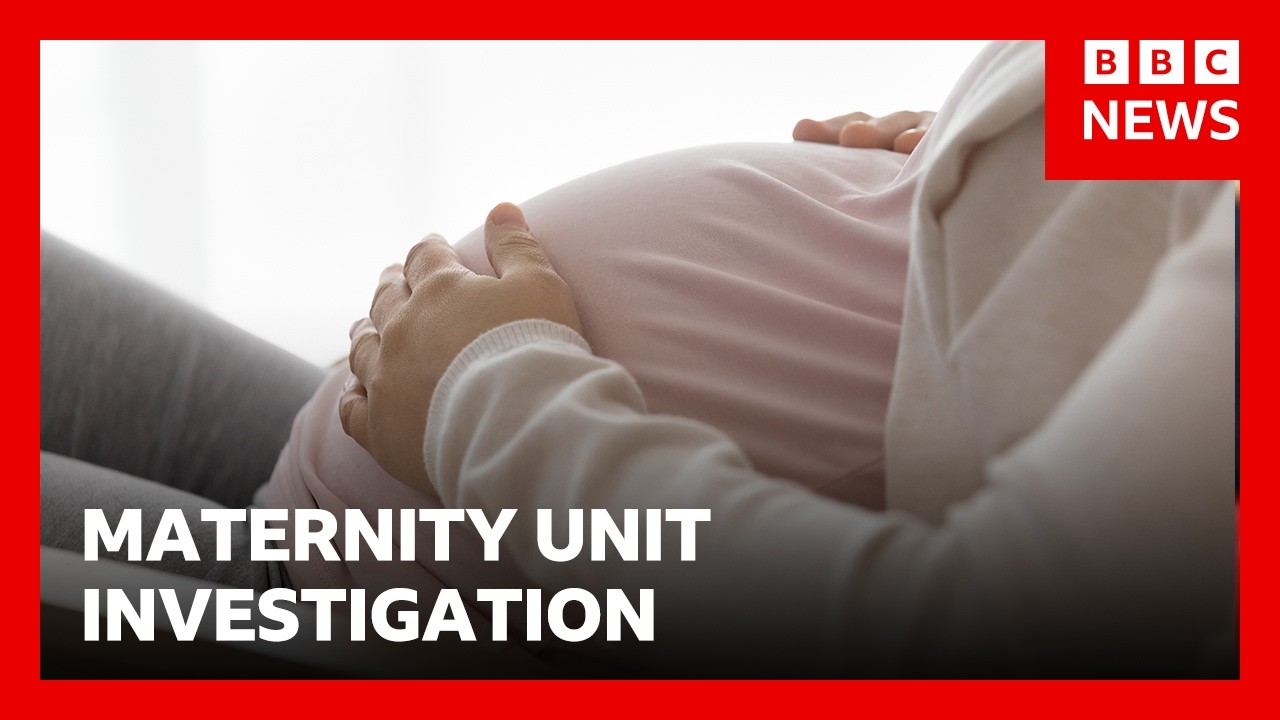
A BBC Panorama investigation has uncovered unsettling findings regarding maternity care at Nottingham University Hospitals NHS Trust. Former midwives revealed a troubling culture that encouraged expectant mothers to stay at home during labor, often using an offensive term to reference them. This stark atmosphere among maternity staff raises serious questions about the treatment women received during a critical period of their lives.
The investigation comes as an independent review of maternity services at the trust nears completion, scrutinizing approximately 2,500 cases. The report is expected to shed light on systemic failures and provide a clearer understanding of the underlying issues within the care provided.
Historically, the trust has downplayed the ramifications of its mistakes, labeling each death or error as an unfortunate, isolated incident. It wasn’t until 2019 that the voices of parents began to unite. Gary and Jack, two grieving fathers, connected over the loss of their daughters, Winter and Harriet, both victims of the same healthcare system. Their tragic experiences led to a grassroots effort to seek accountability and highlight the need for substantial improvements in maternity care.
Convinced they were not alone in their suffering, these families sought out others with similar experiences. This collective effort yielded a growing number of individuals advocating for the examination of practices that could be linked to avoidable harm—to both mothers and children. The families shared a sentiment of desperation. “Harriet needed Winter to show that they hadn’t learned,” one father poignantly remarked, highlighting the cyclical nature of these failures within the healthcare system.
The investigation further revealed a repeated directive given to mothers in labor: stay at home. This message echoed throughout various cases, as women experienced distressing concerns about their condition. In one instance, a resignation letter penned by a midwife in 2018 laid bare the beliefs held by some colleagues. She recounted a dismissive remark suggesting that midwives preferred not to provide too many choices, reinforcing a culture that did not value patient input.
The use of an abbreviation, "FOH," next to the names of expectant mothers—in essence, instructing them to leave—serves as a troubling example of the attitudes within the department. This disturbing revelation raises ethical questions about the standards of care expected in a profession dedicated to nurturing life.
The disappointment continued as numerous practitioners openly acknowledged a lack of introspection within the trust following incidents of harm. One midwife, speaking anonymously, described a pervasive culture in which errors were often justified without thorough analysis. “There wasn’t that tendency to examine your own practice,” she reported, reinforcing the notion that critical reflections and lessons learned were conspicuously absent.
Further complicating the situation was chronic understaffing within the trust. Despite reports highlighting the midwife shortage, management appeared unfazed, perpetuating an environment rife with institutional failings. Several former employees voiced the belief that the trust developed a misguided sense of superiority over others in the region, dismissing the very real concerns brought to their attention.
Significantly, the initiation of the independent review prompted a shake-up in the trust’s leadership. The newly appointed board acknowledged their failures, emphasizing the need for accountability within the organization. They recognized the deficiencies in providing safe care, supporting families, and responding to mistakes made during the delivery process.
As the completion of the independent review approaches, the full scope of avoidable harm inflicted on families within the Nottingham trust is anticipated to be revealed. While the investigation shines a light on distressing practices, it also serves as a clarion call for necessary reforms in maternity care across the board. The profound responsibility of the healthcare system to protect its most vulnerable should guide future practices, ensuring that such tragedies are not repeated.
The Panorama report is set to air at 8:00 p.m. on BBC One, offering an unfiltered look into a system in need of urgent change. As the discourse unfolds, the experiences of families like Gary and Jack’s must remain at the forefront, reminding us all of the vital importance of compassionate and competent maternity care.