Toronto’s Weather Struggles: A City Under Pressure
As Toronto sizzles under an oppressive heatwave, there’s a notable contrast between bustling city life and the intense weather conditions that plague the region. Today, temperatures soared into the mid-30s, creating a furnace-like environment that makes even the simplest outdoor tasks daunting. Despite this adversity, commerce and industry have pushed forward, reflecting the resilience that characterizes the city. This article explores the current challenges facing Toronto, the underlying environmental factors at play, and how the community is responding.
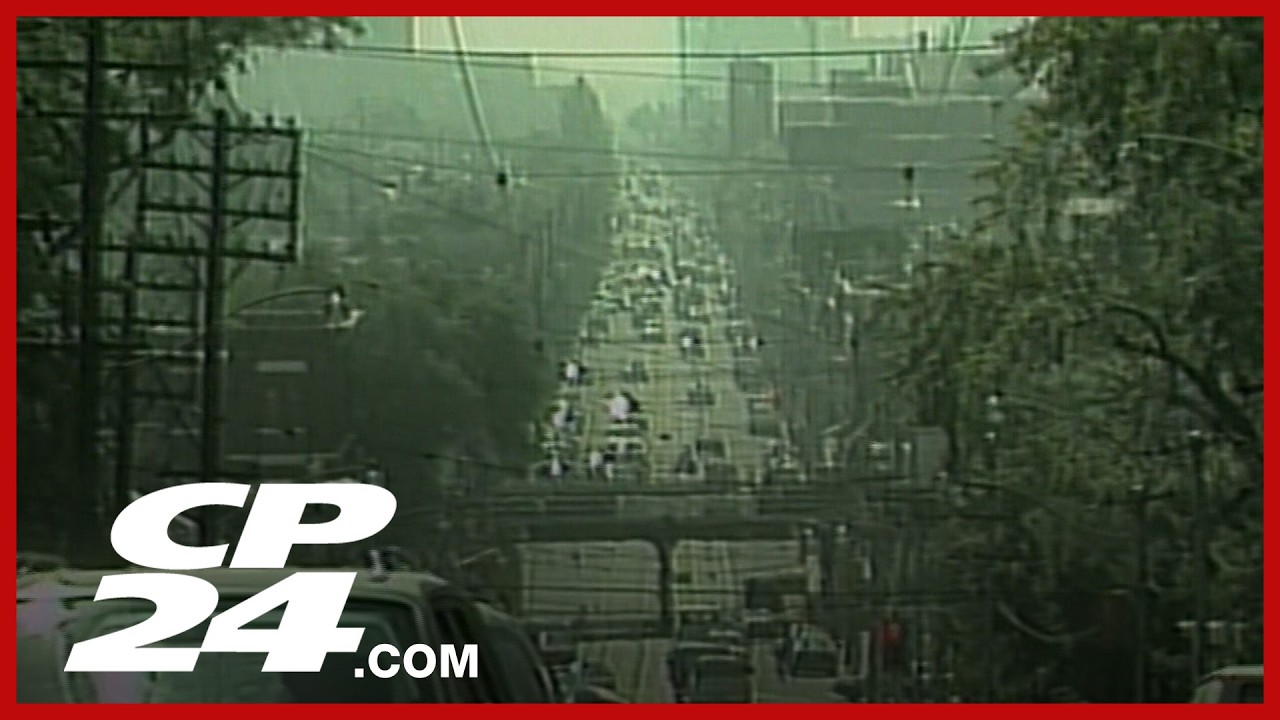
The smog is particularly concerning, with air pollution levels reported to be three times higher than normal across southwestern and south-central Ontario. This cloud of pollution, emanating predominantly from industrialized areas in the central and eastern United States, has settled over Toronto largely due to temperature inversions and stagnant air. These conditions create a perfect storm for pollution accumulation, trapping harmful substances close to the ground. Consequently, residents have been advised to limit outdoor activities, especially those involving physical exertion.
Adding to the discomfort, a prolonged dry spell has left Toronto in dire need of rain. It has been two weeks since the last rainfall, placing immense pressure on local water supplies. The combination of high temperatures and a surge in water demand has led the suburbs and the city itself to implement voluntary water restrictions. Local authorities are urging residents to avoid filling swimming pools, watering lawns, or washing cars. Such measures may seem like minor inconveniences, but they are vital for the greater good of the community. This collaborative approach aims to conserve water resources until more favorable weather conditions return.
Demand for electricity has surged along with the heat. Many residents have busied themselves with cranking up air conditioning units in a hope to escape the sweltering temperatures. This record high level of electricity consumption has put additional strain on the city’s infrastructure. Ironically, many Torontonians find themselves lamenting the very weather they once longed to escape during the harsh winter months. Complaints about excessive heat echo in many parts of the city, revealing a fascinating psychological pattern where our discomfort with the seasons leads to year-round dissatisfaction.
For those frazzled by the relentless heat, relief appears to be days away. Forecasts indicate that the scorching, dry weather is expected to persist throughout the weekend, with no significant chance of precipitation until late Sunday. The anticipation of rain always carries with it a glimmer of hope for both the environment and local residents. However, for now, the forecast remains decidedly bleak.
Toronto is not alone in facing these environmental challenges. Major urban centers across the globe are grappling with similar issues of pollution and climate change, compelling citizens and city officials alike to rethink urban planning and sustainability initiatives. The interaction between air quality and public health is becoming increasingly evident, and cities are urged to find innovative solutions to mitigate these recurring problems.
While heavy rains and cooler temperatures may eventually come, the key takeaway from this heatwave is a reminder of the delicate balance our urban environments must maintain. Sustainability and climate resilience are not merely futuristic concepts; they are immediate necessities that impact the daily lives of residents today.
As Torontonians navigate this current situation, the hope remains that greater awareness and cooperation will lead to lasting change in how the city manages its resources. Whether through reducing energy consumption, conserving water, or simply finding ways to cope with the heat, daily choices matter. The true challenge may not just be enduring this heatwave, but transforming how we respond to climatic fluctuations in a rapidly changing world.